• 2 min de lectura
• 2 min de lectura
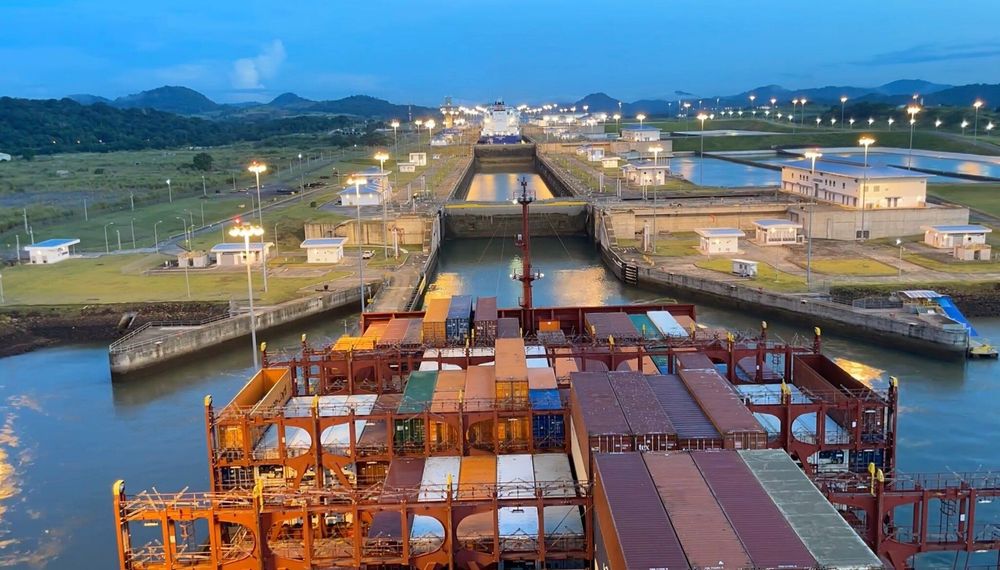
An analysis by Ti Insight identified the potential impact of the El Niño phenomenon on the Panama Canal as one of the main risks to the global supply chain. The report indicates that this scenario, coupled with geopolitical tensions, commercial uncertainty, cyber threats, and regulatory changes, maintains an environment of high volatility for maritime transport and international logistics.
The report states that the reduction in water levels in Gatun Lake forced the Panama Canal Authority to implement operational restrictions and decrease the authorized draft, limiting the cargo of larger vessels and generating surcharges on routes to the Trans-Pacific and the East Coast of the United States. It also warns that El Niño could affect Asian port complexes, increase the costs of bulk and food transport, while new regulatory requirements in the European Union and recent cyberattacks on port infrastructures reinforce the vulnerability of logistics chains.
The combination of climatic, regulatory, technological, and geopolitical risks confirms the need to strengthen the resilience of international supply chains. In this scenario, maritime and port infrastructure, along with the response capacity of ports, logistics operators, and shipping lines, acquires a strategic role in guaranteeing the continuity of international trade, minimizing interruptions in cargo movement, and strengthening the competitiveness of national and international logistics systems.