• 2 min de lectura
• 2 min de lectura
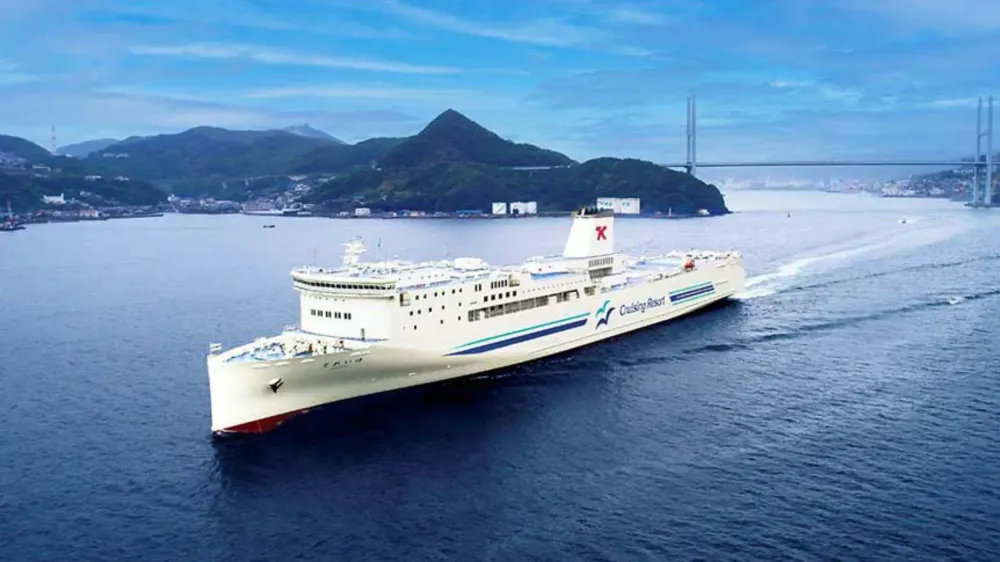
The International Maritime Organization (IMO) adopted the new International Code of Safety for Autonomous Surface Ships (MASS Code), with the aim of regulating the safe integration of merchant ships operated by artificial intelligence or remote control into global maritime transport. The measure seeks to ensure uniform standards of safety, security, and environmental sustainability within the framework of international maritime trade.
The MASS Code establishes an objective-based framework for the design, certification, and operation of autonomous or remotely controlled vessels, applicable to cargo ships that must comply with the SOLAS Convention and other existing IMO instruments. The scheme incorporates requirements for navigation, connectivity, remote operations, cybersecurity, fire fighting systems, and search and rescue protocols, in addition to the implementation of remote operation centers (ROCs). IMO Secretary-General Arsenio Domínguez highlighted that the regulation "promotes innovation while keeping safety and the human factor at the center of maritime operations."
The application of the Code will be progressive, with entry into force scheduled for July 1, 2026, in an initial non-mandatory phase that will allow its evaluation by member states. Subsequently, the IMO plans to move towards its mandatory status within the framework of the SOLAS Convention, with a view to a formal adoption of a binding code by 2030 and its entry into force in 2032. This development represents a milestone in the modernization of international maritime law, by laying the foundations for the safe operation of new technologies in logistics chains and global maritime transport.
Source: Mundo Marítimo