• 5 min de lectura
• 5 min de lectura
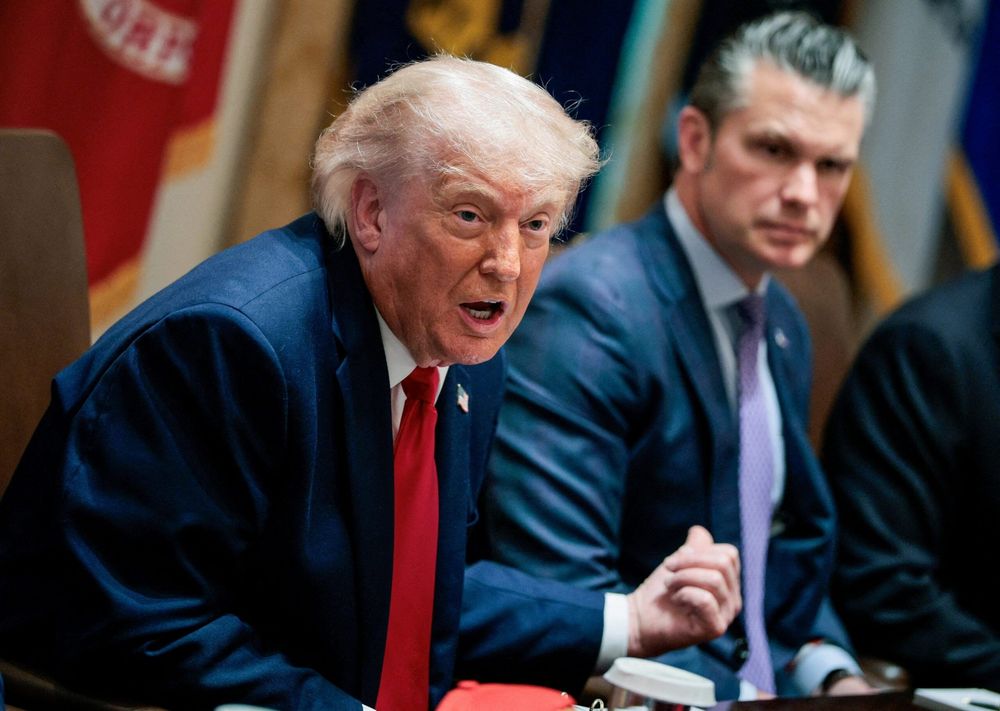
Less than 48 hours after President Donald Trump signed a memorandum of understanding with Iran to end the conflict and restore freedom of navigation through the Strait of Hormuz, Tehran has published a sweeping new set of rules governing commercial traffic through the waterway.
The documents, issued by Iran's Persian Gulf Strait Authority (PGSA), require vessels to obtain passage permits, use designated routes closer to Iran than the internationally recognized Traffic Separation Scheme, and carry insurance approved by the authority.
The move marks an extraordinary development for shipping through the Strait and the clearest sign yet that Iran intends to assume a much more direct role in administering traffic through the world's most important oil chokepoint.
Under the rules published by the PGSA, vessels are not permitted to transit the Strait without a valid permit issued by the authority. Applications can be approved, deemed incomplete, or denied outright. Each permit is valid for a single transit and expires after five calendar days.
All applications and follow-up requests must be submitted through the authority's website, PGSA.ir, or by email, according to the documents.
The new framework extends well beyond a wartime navigation advisory. Vessels are required to use a designated route near Iran's Larak Island, with the use of alternative routes "strictly prohibited." Shipowners and masters assume full responsibility for any violations, and the authority says it reserves the right to impose penalties, revoke passage permissions, or pursue further legal action.
The PGSA has also introduced a mandatory insurance regime. All vessels must carry insurance approved by the authority. For now, the coverage is being provided at no cost, with expenses covered by the Iranian government during the initial 60-day period established under the recently signed Islamabad Memorandum of Understanding between Iran and the United States.
But the documents make clear that arrangement may not last. "The PGSA reserves the right to introduce insurance fees in the future," one provision states.
The timing of the new Iranian guidance follows .
On Thursday, Vice President JD Vance sought to downplay concerns that Iran could eventually impose tolls or fees on ships transiting the Strait.
"First of all, we believe international waterways should be free of tolls," Vance told reporters at the White House. He added that countries in the region would "figure out a proper security framework for the straits in the future."
The PGSA documents suggest Iran is already moving in that direction.
While Iran says insurance and related transit services will remain free during the 60-day negotiation period, it has now established the administrative framework through which fees could eventually be imposed.
The move is also striking because of Washington's own recent stance toward the organization. On May 27, the U.S. Treasury Department formally sanctioned the PGSA, accusing it of working with the Islamic Revolutionary Guard Corps to extort commercial vessels transiting the Strait of Hormuz.
Treasury alleged that the authority was forcing ships to follow Iranian-designated routes, submit sensitive operational information, and pay illegitimate fees in exchange for "safe passage." The agency warned that companies cooperating with the organization could face sanctions exposure.
"The Iranian military's latest attempt to extort global maritime trade is proof that Economic Fury has left the regime desperate for cash," Treasury Secretary Scott Bessent said at the time.
Less than a month later, the same organization is openly publishing the rules for commercial passage through the Strait.
The development comes just a day after the Joint Maritime Information Center (JMIC) issued guidance stating that the Strait of Hormuz had reopened and that blockade operations had ceased. JMIC advised mariners to use a southern route running through Omani territorial waters while mine clearance operations continue, describing it as the preferred transit corridor coordinated by the United States and its regional partners to minimize risks from residual mines and military activity.
The southern route, which keeps commercial traffic farther from Iranian-controlled waters, has become the primary recommendation for international shipping as coalition naval forces continue to monitor and secure the waterway.
Iran's position is markedly different as it not just recommends routes closer to Iran, but mandates them. Rather than facilitating passage, it requires prior approval. And instead of presenting the Strait as an international waterway where ships exercise a right of transit passage, the documents establish the PGSA as the sole authority responsible for issuing permits, approving insurance, and directing vessel movements.
The development comes on the heels of the Islamabad Memorandum of Understanding signed on Wednesday between Washington and Tehran.
Article 5 of the agreement states that Iran will make arrangements to ensure the safe passage of commercial vessels through the Strait of Hormuz and conduct discussions with Oman on the "future administration and maritime services" of the waterway. The language raised immediate and urgent questions about how large a role Iran would assume in the Strait after the conflict.
The PGSA documents provide a possible answer into how Iran perceives it status regarding its maritime authority in Hormuz.
Whether the international community, Gulf states, and President Trump accepts those claims is another matter. The Strait of Hormuz has long been regarded by many governments as an international strait where transit passage cannot be suspended or conditioned on prior authorization.
IMO Secretary-General Arsenio Dominguez has repeatedly warned that freedom of navigation through the Strait of Hormuz is a fundamental principle of international law. Addressing the U.N. Security Council in April, Dominguez said, "The principle of freedom of navigation is not negotiable. Ships must be allowed to trade worldwide unhindered and in accordance with international law."
He added that "straits used for international navigation cannot be closed by bordering States" and urged governments to reject "the imposition of tolls, fees or discriminatory transit measures" for passage through international straits.
President Trump took to social media to defend the MOU and issue a warning to Iran. "We didn't meet out of desperation, Iran did. They are FINISHED! We'll play out the 60 days. They get no money, not ten cents!"
Fuente: GCAPTAIN_NEWS