• 2 min de lectura
• 2 min de lectura
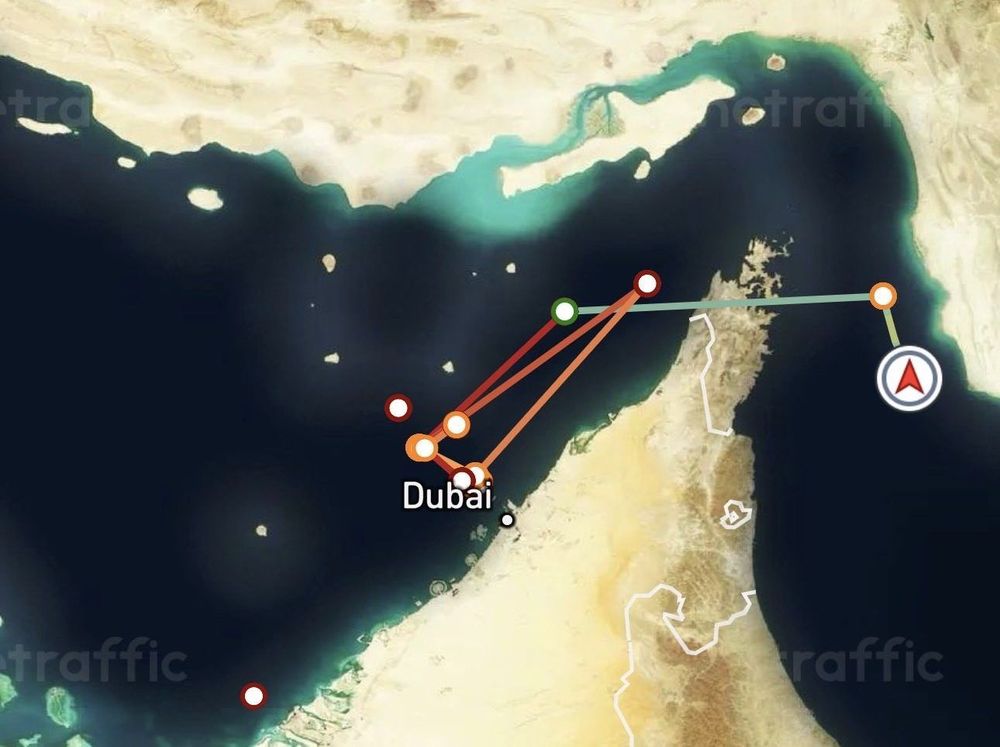
Two supertankers and a vessel capable of transporting liquefied natural gas (LNG) exited the Strait of Hormuz earlier this week with their transponders turned off. They are currently heading towards India and China, according to shipping data from LSEG and Kpler.
The vessels joined a series of tankers that left the Persian Gulf in May, although overall oil and LNG traffic has still been limited.
The VLCC Eagle Veracruz, carrying 2 million barrels of crude oil loaded in Saudi Arabia at the end of February, is heading to the Port of Quanzhou, in China's southeastern Fujian province. The unit is expected to arrive on June 16 at the port facility where the Sinochem refinery is located.
The Eagle Veracruz was one of seven vessels for which Malaysia had requested clearance permission from Iran, sources previously told Reuters.
Another VLCC, the Nissos Keros, carrying approximately 1.8 million barrels of Das crude from the United Arab Emirates, is expected to arrive on June 3 at the Indian port of Visakhapatnam, where the Hindustan Petroleum refinery is located.
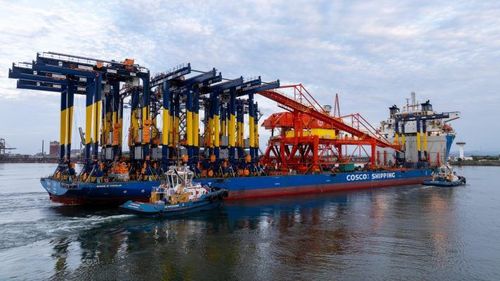
Kpler data showed that the two supertankers left the strait on Tuesday, May 26. On Wednesday, May 27, the Hua Lin Wan, flagged in China and operated by the Chinese shipping group Cosco Shipping, exited the strait.
The tanker, carrying naphtha loaded from Kuwait in early March, is expected to arrive at the Port of Huizhou, in the southern province of Guangdong, on June 12.
Separately, the LNG tanker Umm Al Ashtan was last seen in ballast in maritime tracking data off the coast of the United Arab Emirates on May 1, according to Kpler and LSEG data.
It reappeared in vessel tracking data on May 27 loaded with cargo from Das Island. It is now off the coast of Oman, sailing east towards India.
The war between the United States and Israel against Iran – which began on February 28 – has drastically reduced shipping through the Strait of Hormuz, a key transit route for approximately one-fifth of the world's oil and liquefied natural gas supply.
Before the conflict began, maritime traffic through the strait averaged between 125 and 140 passages daily. Some 20,000 sailors remain stranded on hundreds of vessels in the Persian Gulf.