• 2 min de lectura
• 2 min de lectura
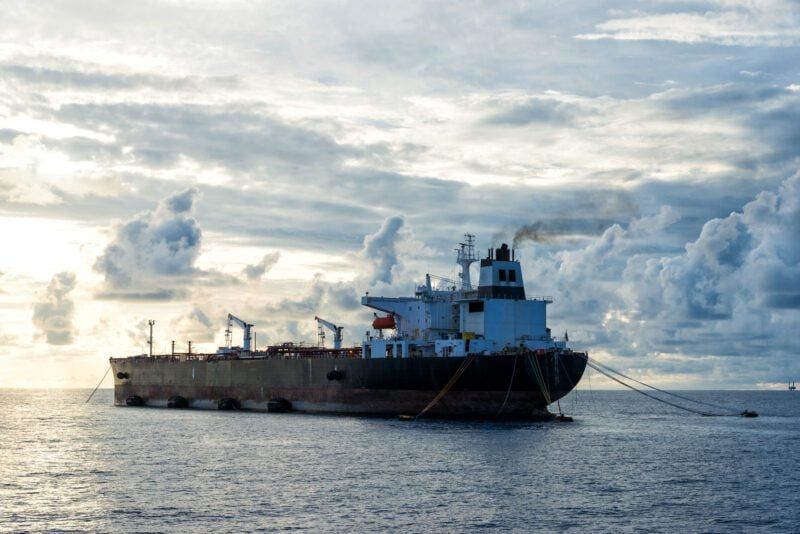
Greek tanker manager Dynacom, which previously emerged as the largest non-Iranian commercial operator continuing to move oil through the Strait of Hormuz after the conflict erupted, saw two of its tankers struck by projectiles Monday while transiting the U.S.-coordinated southern corridor off Oman.
The Malta-flagged Panamax tanker Kavomaleas and the Liberian-flagged VLCC Acheloos were hit at roughly the same time, according to maritime security company Marisks.
All crew members were reported safe, though the crew of Kavomaleas abandoned ship after a fire broke out in the engine room.
The attacks underscore the growing risks facing even those operators that have continued using the southern route established along Oman's coast to reduce ships' exposure to Iranian forces operating closer to the traditional shipping lanes.
Dynacom was among the earliest companies to keep tankers moving through Hormuz during the conflict. By April, Bloomberg reported the company had transported about 6.5 million barrels through the Strait, making it the largest non-Iranian commercial shipper still operating there. More recently, both Kavomaleas and Acheloos were using the same U.S.-facilitated southern corridor when they were struck.
Iran's Islamic Revolutionary Guard Corps said Monday that two tankers had "exploded" after attempting to use what it described as an unsafe southern route. It was not immediately clear whether the statement referred to the Dynacom vessels.
The attacks come as more shipowners reconsider Hormuz transits despite U.S. military coordination and repeated assurances that commercial traffic can continue through the Strait.
IMO Secretary-General Arsenio Dominguez has urged shipowners not to expose crews to unnecessary danger.
"No commercial or operational consideration can justify exposing seafarers to such levels of danger. The protection of their lives must remain the overriding priority at all times."
Separately, a third Dynacom-managed tanker, Asia, was struck by a drone Monday while at Russia's Novorossiysk export terminal. The crew extinguished a fire, and no injuries or pollution were reported.
For a company that has become synonymous with keeping oil flowing through Hormuz despite the conflict, Monday's attacks highlight how rapidly the security situation has deteriorated—even along a corridor intended to provide a safer alternative for commercial shipping.