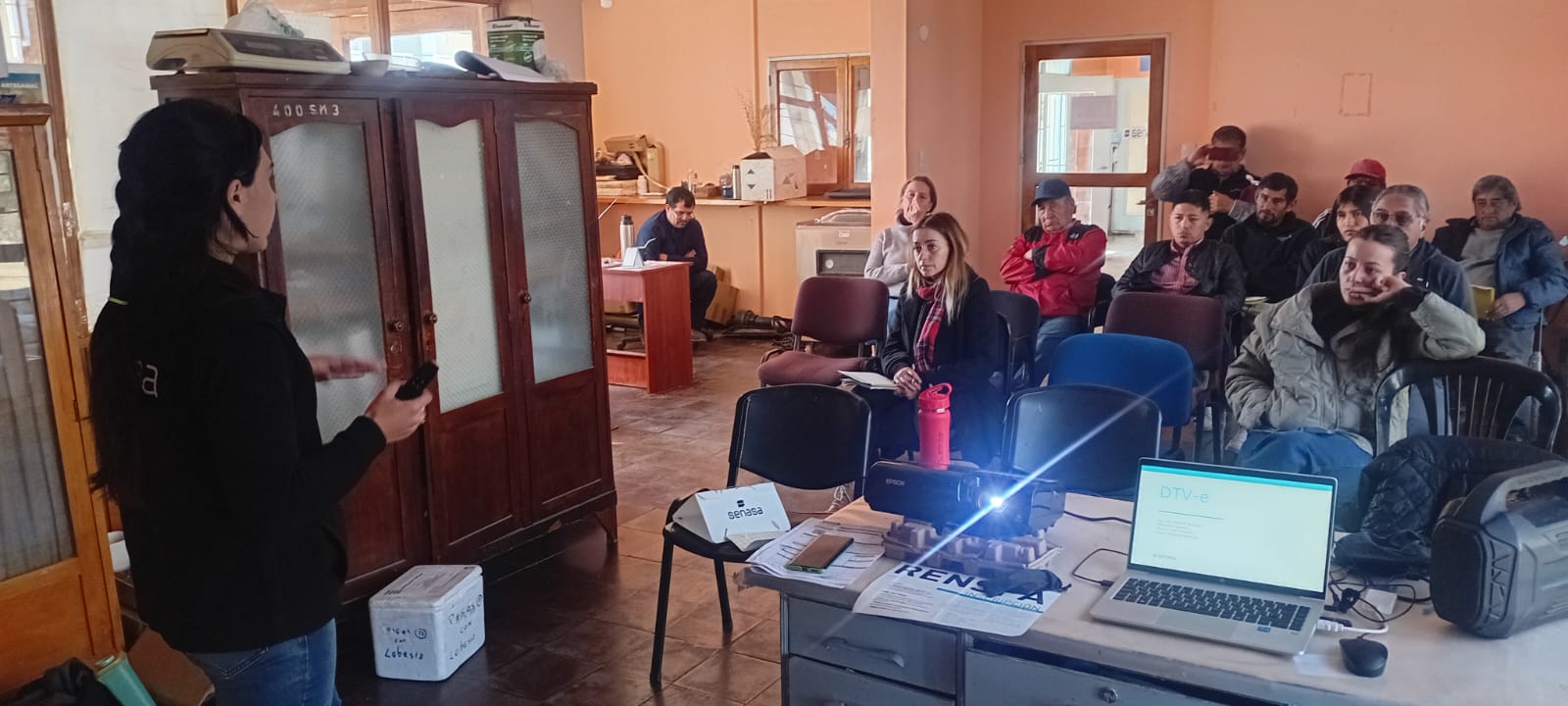
The National Agri-Food Health and Quality Service (SENASA) lectured on the importance of phytosanitary protection of crops to producers of various species from the Calchaquí Valleys in the province of Catamarca.
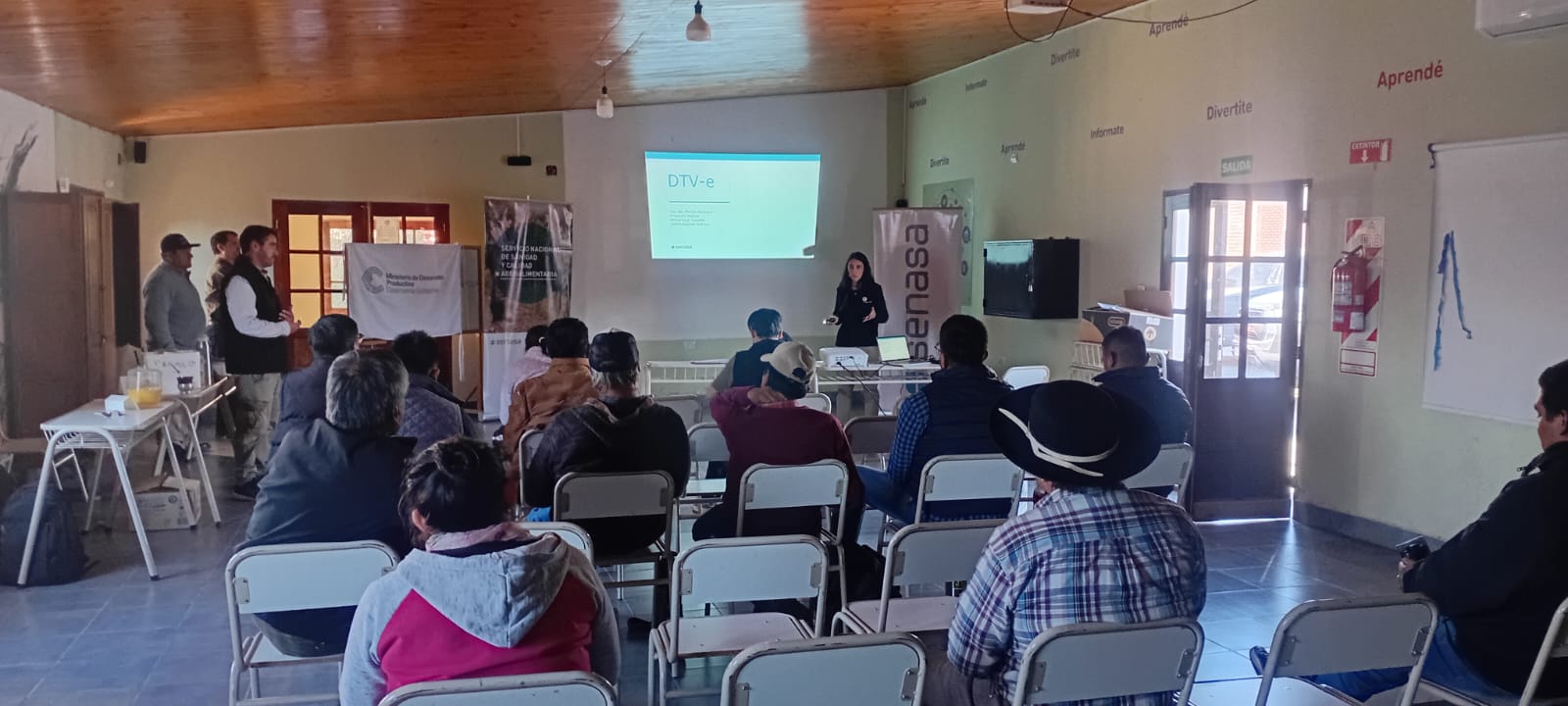
Agents from the SENASA NOA Sur Regional Center, along with the National Institute of Agricultural Technology (INTA), Santa María Zone Agronomy, belonging to the Ministry of Productive Development of Catamarca and the Higher Education Institute (IES), attended two training meetings in Santa María and San José, with the participation of both municipalities.
During the activities, which sought to strengthen local capacities in terms of plant health and integrated management of regionally relevant pests, the agency's professionals explained the scope of the National Lobesia botrana Program, and related aspects of the pest's biology and the damage it causes to grapevines.
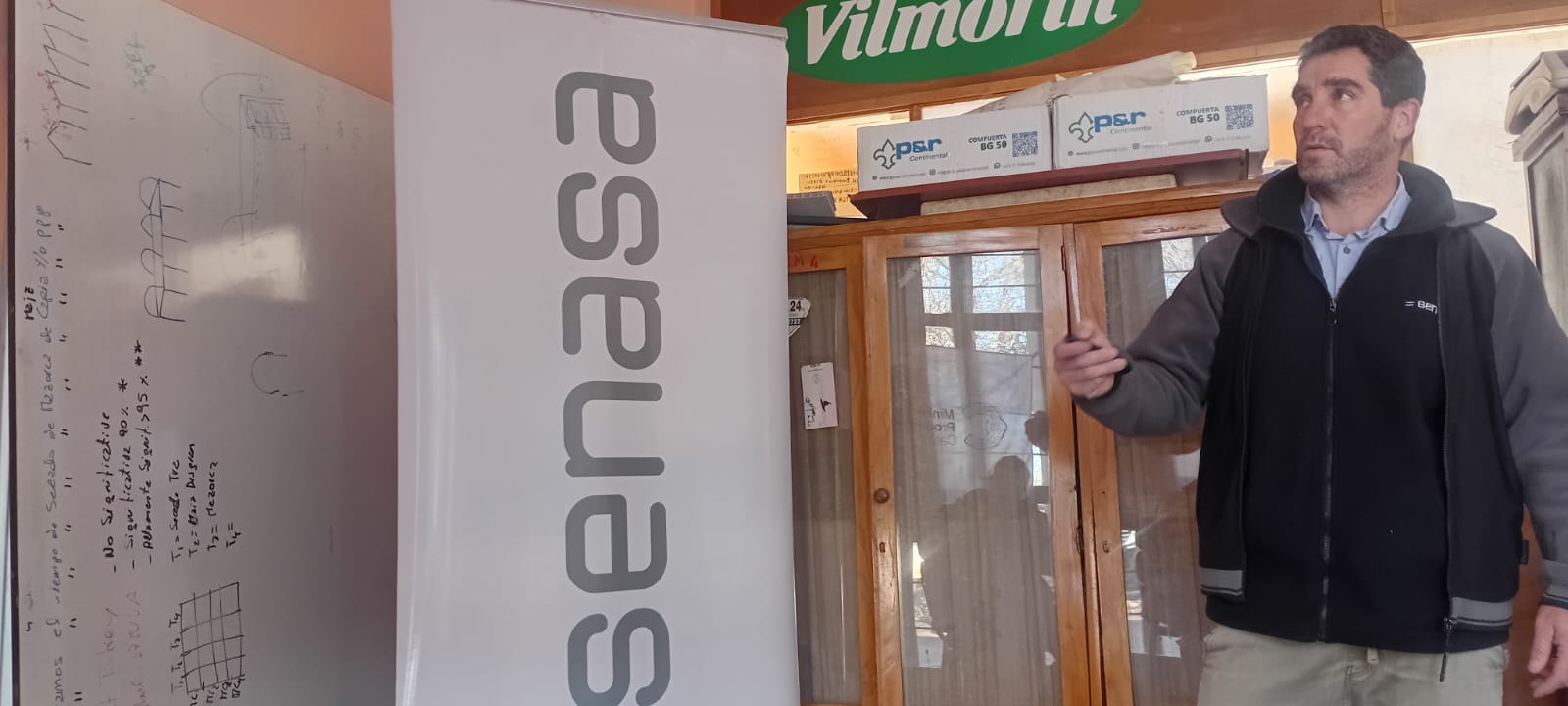
They also explained the relevance of mandatory registration in the National Sanitary Registry of Agricultural Producers (Renspa), how to do it, and the importance of keeping it updated, while also discussing traceability aspects through the importance of using the Electronic Plant Transit Document (DTVe).
Technical exchanges on relevant regional pests such as Fruit Flies and codling moth were also addressed.