• 2 min de lectura
• 2 min de lectura
The Patagonian Region has a privileged phytosanitary condition, which is internationally recognized as a Fruit Fly Free Area. This achievement allows access to the most demanding markets in the world, such as the United States and China. To maintain this condition, institutions in the fruit sector work in a coordinated manner.
In addition to the quarantine work carried out at the Phytosanitary Barriers of the National Agri-Food Health and Quality Service (SENASA), verifying products entering the region, there are phytosanitary surveillance and prevention actions implemented by the National Program for the Control and Eradication of Fruit Flies (PROCEM) – Patagonia Region, executed by FUNBAPA.
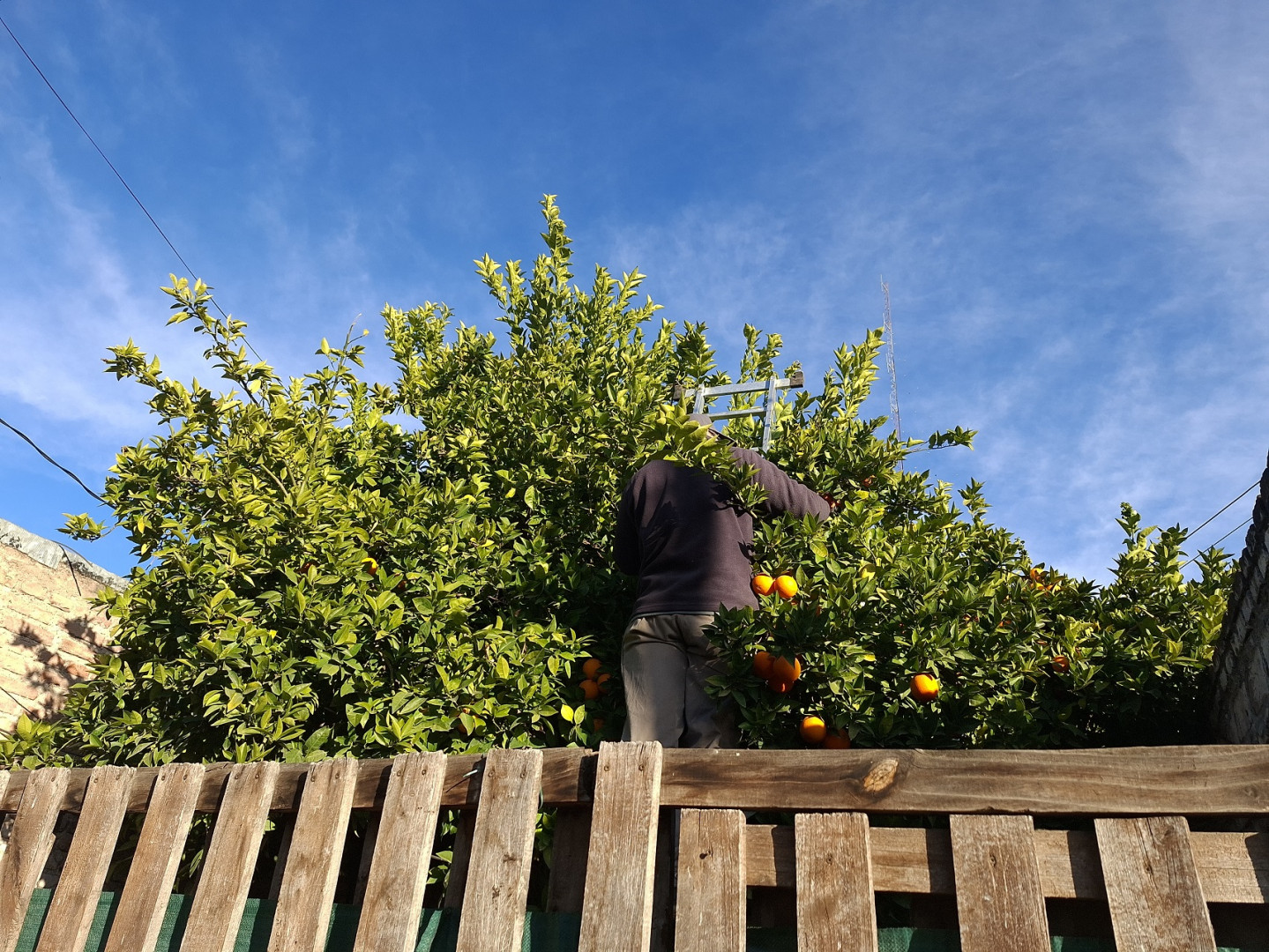
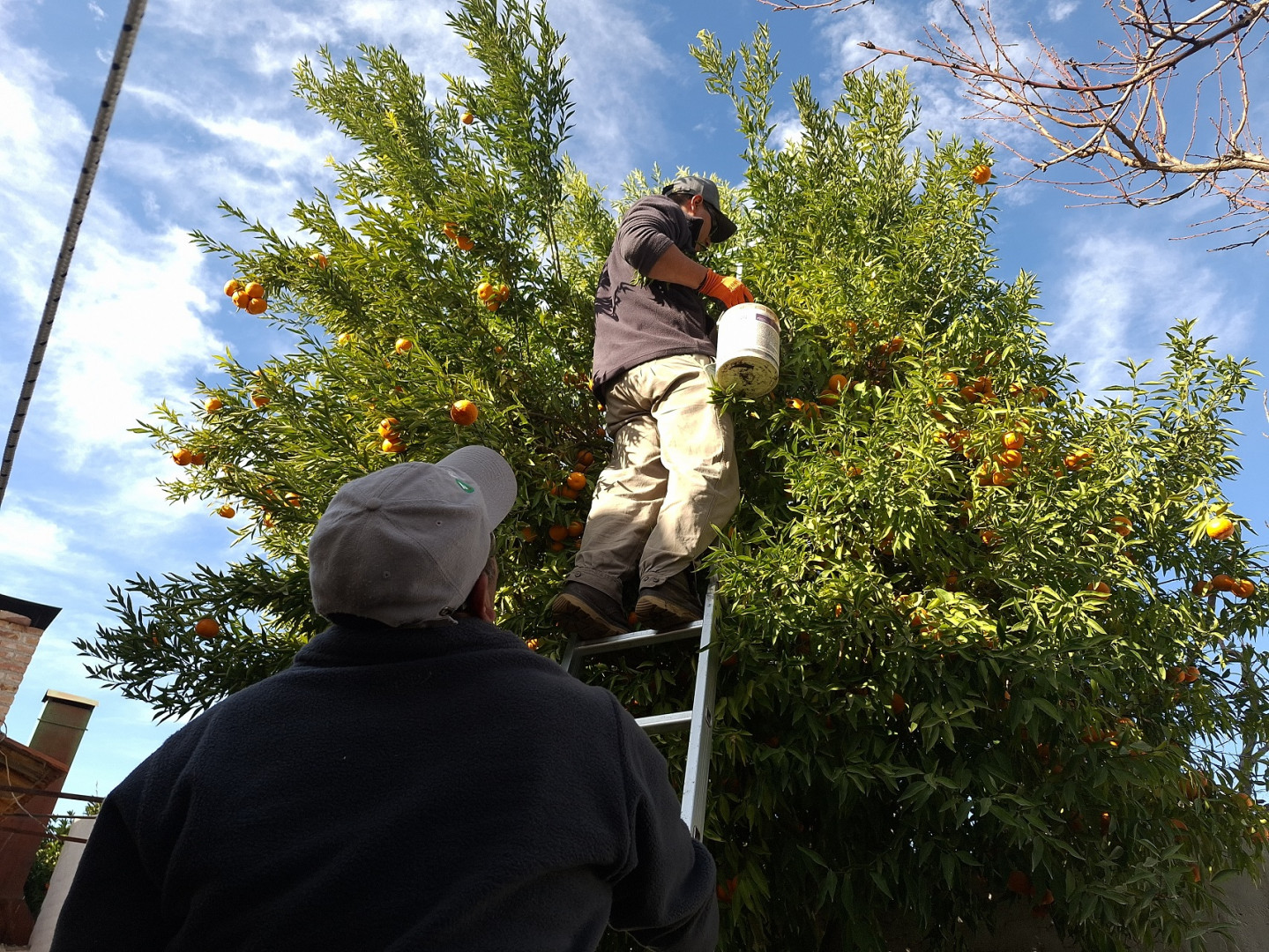
Given that Fruit Flies can find refuge in fruit trees (such as citrus, stone and pome fruits, fig trees, among others), a vital part of these actions is carried out by PROCEM brigades, whose properly identified personnel perform specific tasks such as:
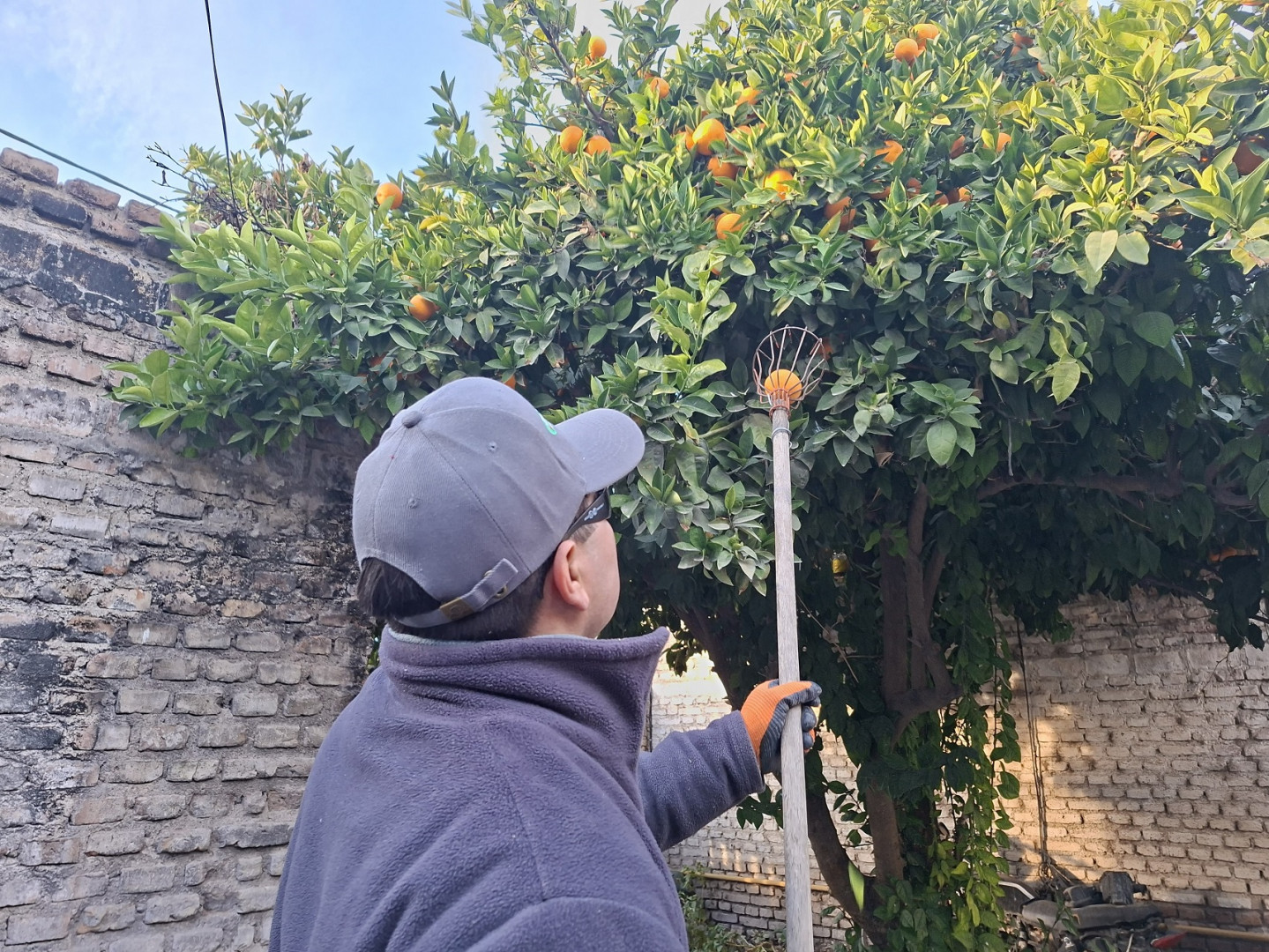
Phytosanitary treatments on host species, prioritizing those sites identified as higher risk or associated with the presence of the pest. These measures aim to reduce the availability of reproduction and development sites in urban areas.
Pruning and eradication of hosts, prioritizing those that present fruits susceptible to infestation or that constitute potential breeding sites for the pest. These actions seek to reduce the availability of hosts and limit favorable conditions for the development and dispersion of the pest.
The Program constitutes a phytosanitary tool that provides direct benefits to the competitiveness of regional fruit growing. In this regard, the productive sector finances its actions through a fee applied to fruit destined for export, the domestic market, and industry. These resources allow for strengthening the phytosanitary surveillance system, modernizing infrastructure, incorporating new technologies, and optimizing sterile insect release systems.
Furthermore, the citizen who receives the PROCEM brigadista is actively participating in the protection of work, exports, and the economy of the entire Patagonian region.