


The National Service of Agrifood Health and Quality (SENASA) simplified the requirements for registration in the National Registry of Livestock Feedlot Establishments, with the aim of unifying criteria nationwide and eliminating documentary duplication in the face of heterogeneous local regulations.
The measure, formalized by means of DNSA Disposition N.° 26/2026 and published in the Official Gazette, modifies Resolution N.° 329-E/2017 and eliminates the requirement to present territorial use and environmental suitability certificates to SENASA for registration in the National Feedlot Registry.
Authorizations related to location, land use, environmental suitability, and general operating conditions are matters of provincial or municipal competence.
For this reason, requesting such documentation as a condition for a national sanitary procedure incorporated an evaluation and granting process that exceeded SENASA's specific competence.
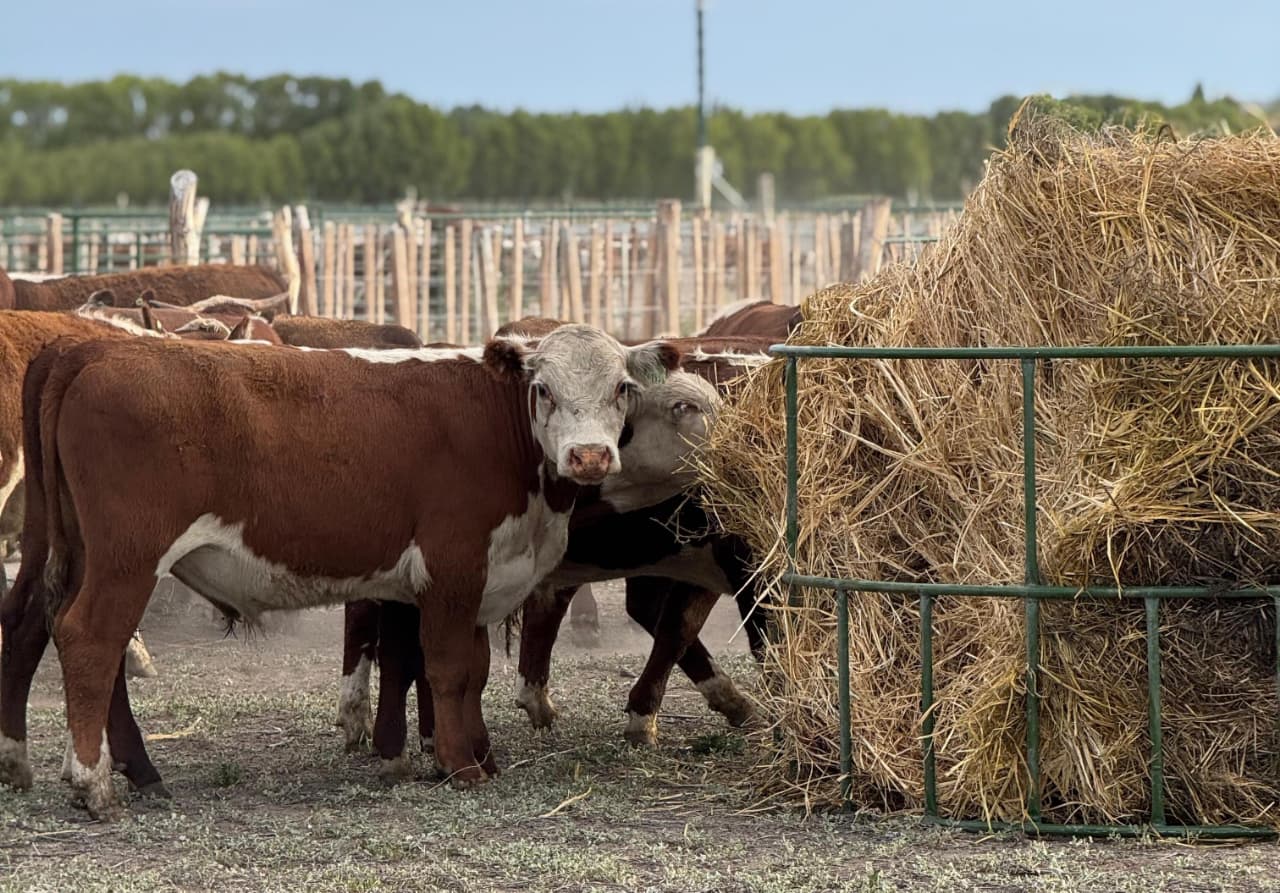
Consequently, the new regulation also repeals the obligation to complete the sworn declaration form regarding the non-existence of municipal or provincial land use and environmental regulations, which became obsolete upon the elimination of the requirement that supported it.
The measure does not create new procedures or registries, nor does it modify other sanitary and/or documentary requirements provided by SENASA in the regulation.
In this regard, the requirements for registration in the National Sanitary Registry of Agricultural Producers (RENSPA), identification of the establishment and its responsible parties, verification of technical and infrastructure conditions, verification visit, and the obligations for recording movements, treatments, feeding, and biosecurity are maintained.
It should be noted that the registration and sanitary authorization granted by the Organization does not replace or certify compliance with the authorizations, permits, or habilitations required by national, provincial, or municipal regulations applicable to the location, land use, environmental protection, and operation of the establishment.
With this update, SENASA continues to advance in reducing administrative procedures for producers, without sacrificing the sanitary inspection of feedlot establishments throughout the national territory.

