


The National Agri-Food Health and Quality Service (SENASA) and the National Institute of Agricultural Technology (INTA) initiated a training schedule for personnel working in Río Negro and Neuquén, with the aim of providing technical content to those performing tasks at control posts and in fresh fruit export programs implemented in the region.
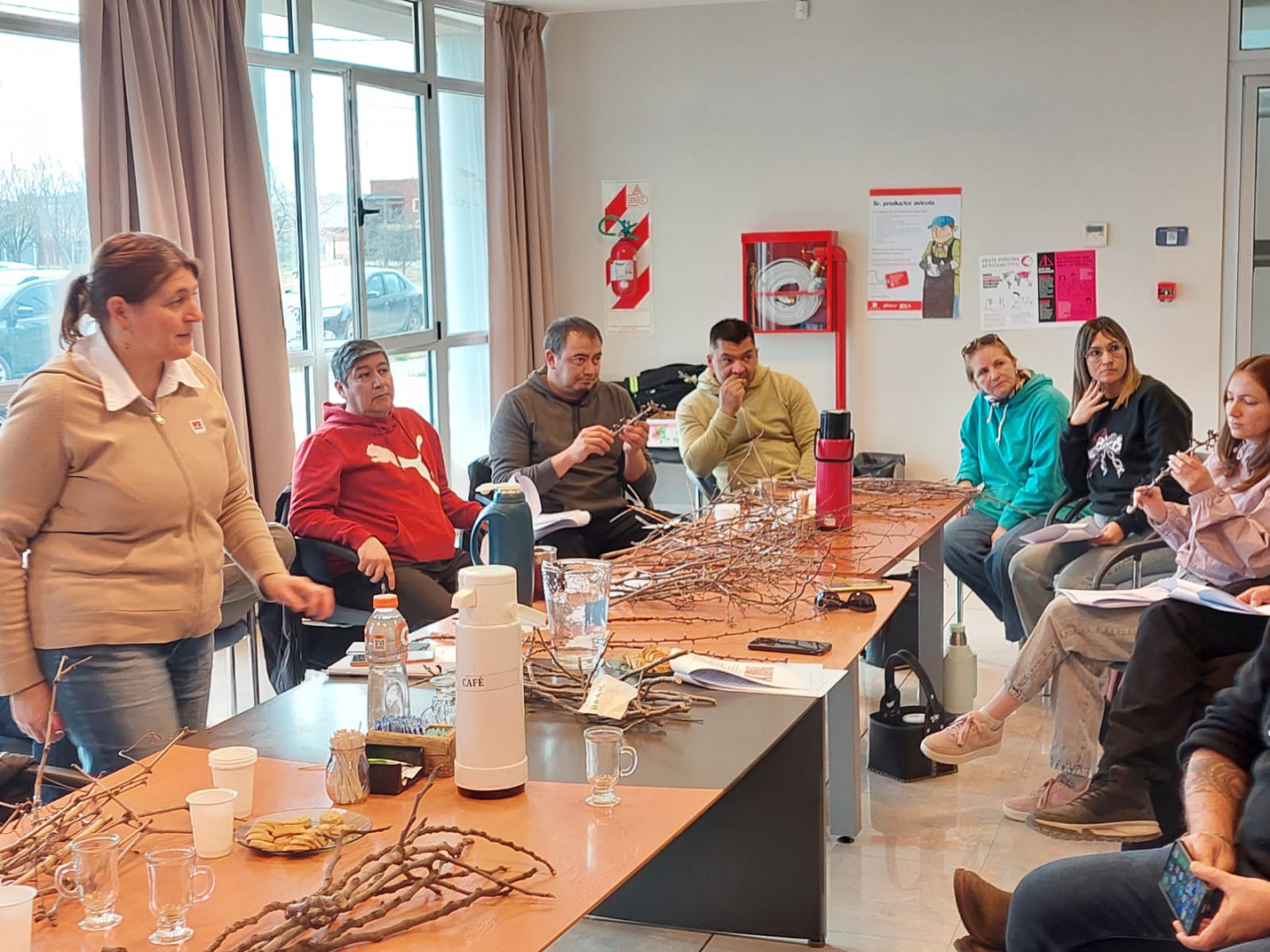
The first training was aimed at personnel from the Barrier, Borders, and Airports divisions of the sanitary agency. During the meeting, the identification of fruit species of interest in a dormant state was addressed. The talk was given by INTA Alto Valle and the Service's Nursery representative,
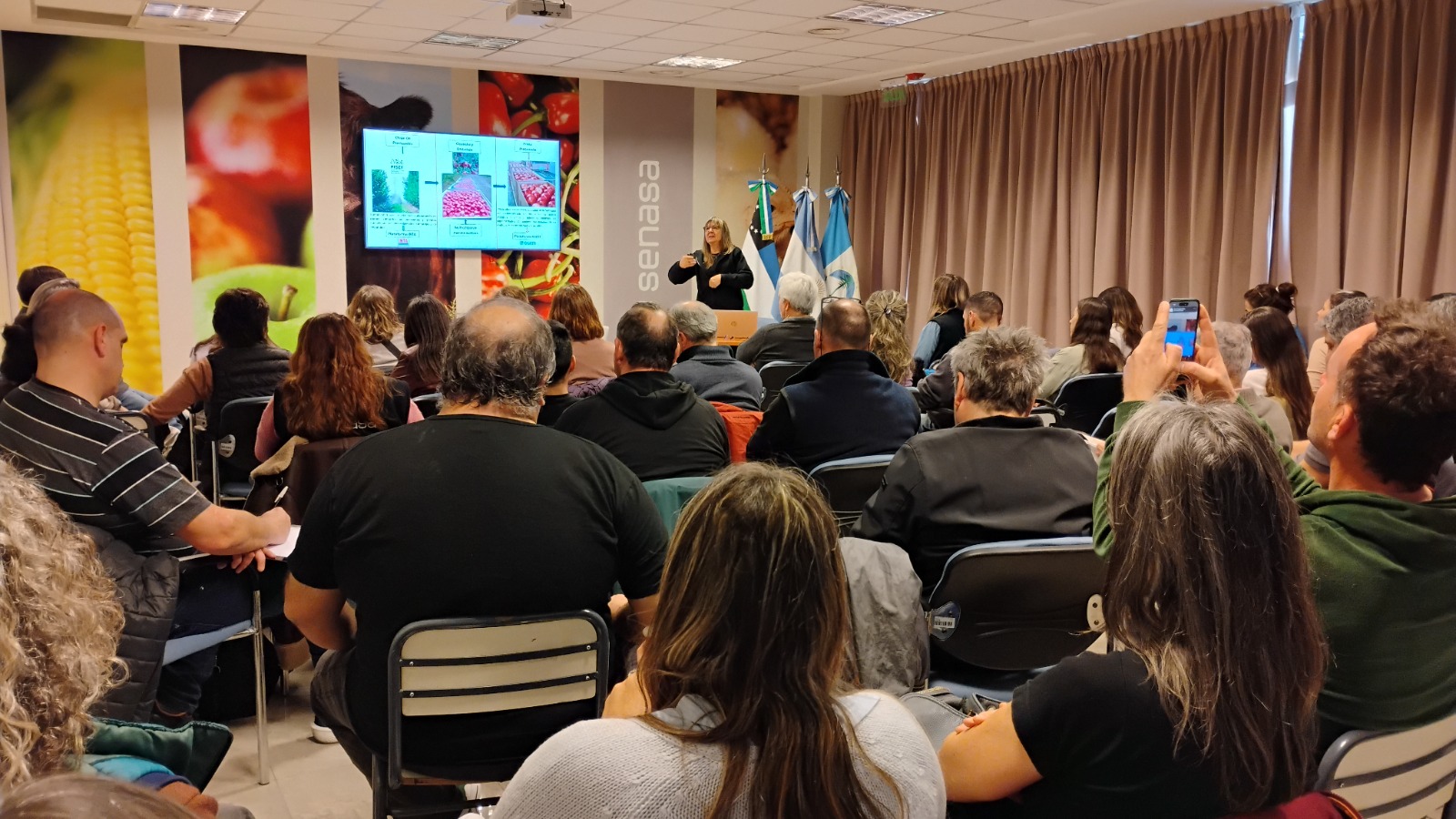
The second activity took place within the framework of the "Regional Update Conferences on Plant Protection." INTA specialists participated in this event, referring to the characteristics of Cydia pomonella (codling moth) and other quarantine pests of importance regulated by the destination countries for fruit exports. They covered the pest's life cycle, flight curves, the sexual confusion technique, the use of anti-hail nets, and the use of drones in phytosanitary management.
They also presented on other regulated key quarantine organisms, such as Pseudococcus viburnii, Grafolita, and Monosteira unicostata, in relation to the markets of Mexico and the United States.
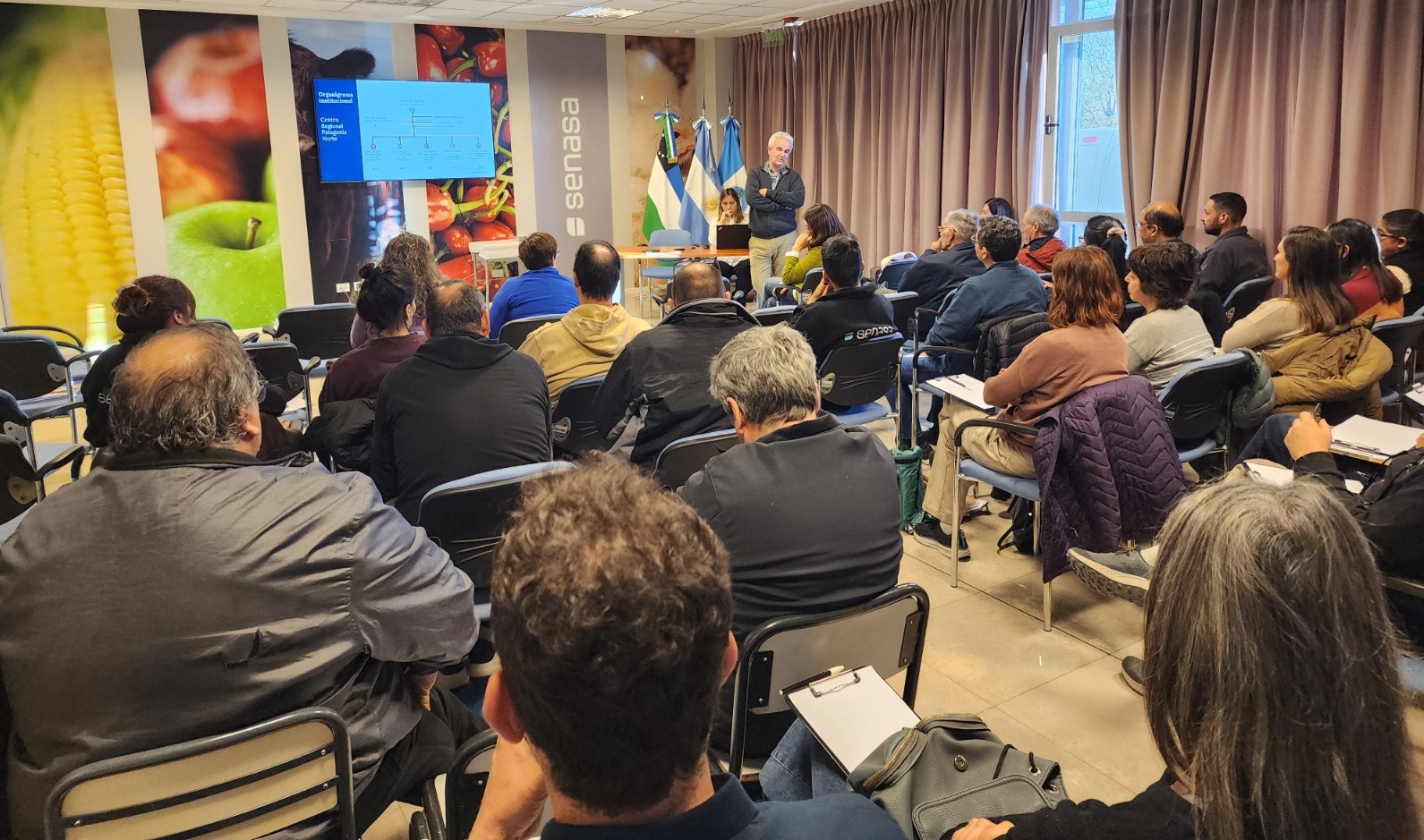
During these conferences, organized by the North Patagonian Regional Centers of both institutions, a block on phytosanitary inspection for the 2025/2026 season was also included, focusing on certification findings, the operation of the risk mitigation system for sending fresh fruit to Brazil, and the work plan for the United States. In this case, SENASA's territorial actions, the North Patagonian Plant Protection coordinator, and the supervision referents reviewed the topics.
Additionally, a presentation on productive reconversion in the Alto Valle was included, focusing on the phytosanitary and phenological aspects of corn and alfalfa crops.
The joint work agenda continues with the elaboration of conclusions, the identification of training needs, and the definition of joint work lines between SENASA and INTA.

