As part of its national communication campaign for the prevention of trichinosis, the National Agri-Food Health and Quality Service (SENASA) carried out awareness, dissemination, and training extension activities on the disease, aimed at each of the sectors that make up the pork production chain.
In the jurisdiction of the Northern Buenos Aires Regional Center, the health agency carried out various actions together with pork producers, food processors, traders, and the general consuming public, with the aim of generating behaviors that minimize the risks of transmission of this zoonosis.
In this way, SENASA veterinarians convened technical workshops with the food safety and production areas of the municipalities of Chivilcoy, General Viamonte, Junín, General Paz, Alberti, Bragado, Salto, Cañuelas, 9 de Julio, Chascomús, and Las Heras, among others, in which the aim was to articulate sanitary actions and procedures in the face of eventual trichinosis outbreaks.
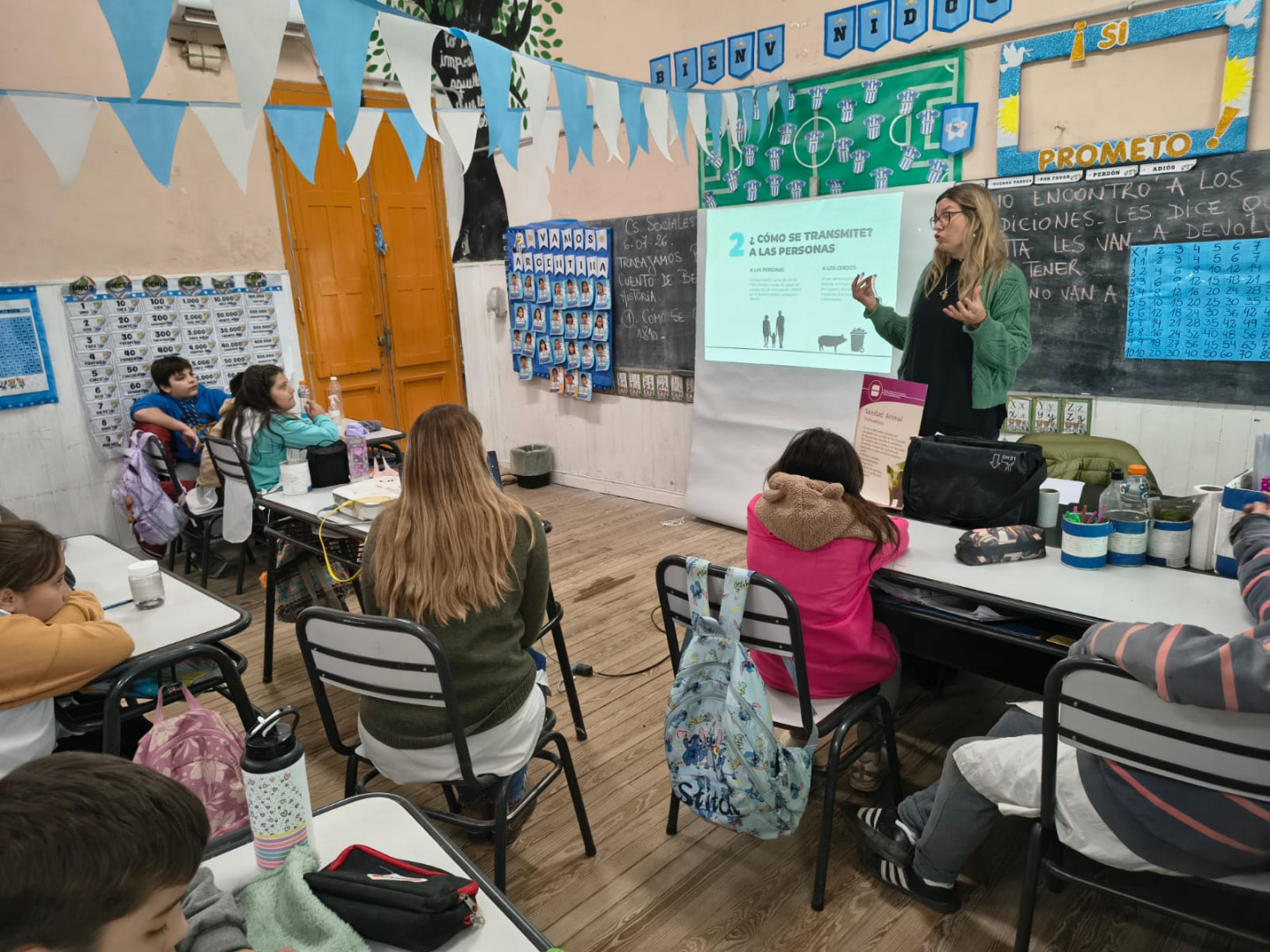
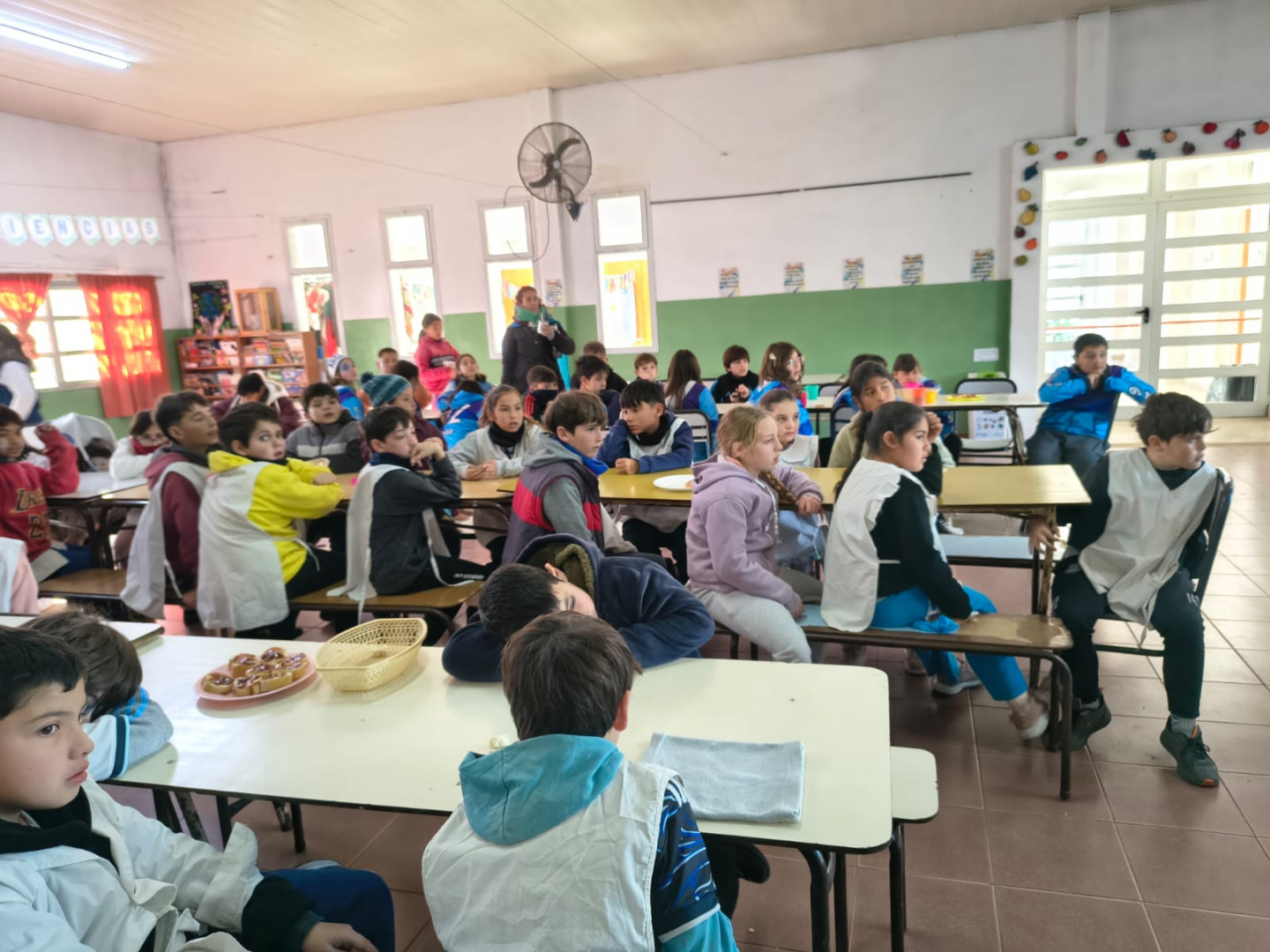
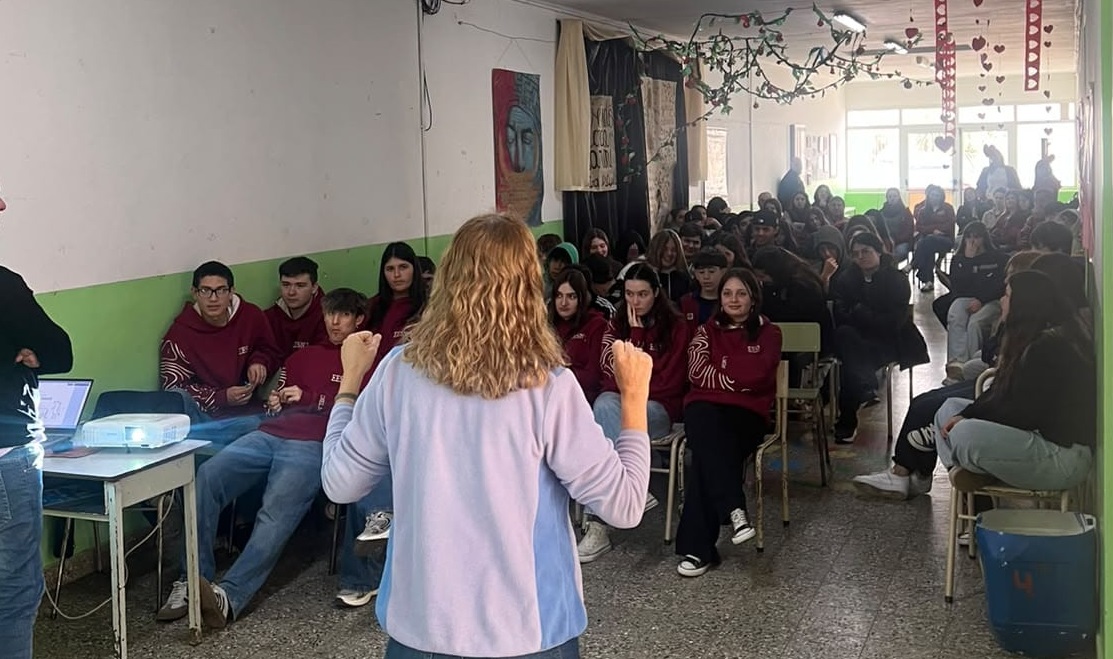
Likewise, in these localities, informative meetings were held in agricultural technical schools, primary and secondary schools, where the main characteristics and prevention measures for this disease were explained, which can affect people through the consumption of insufficiently cooked meat or by consuming products such as cured meats or sausages derived from animals infected with Trichinella spp. larvae.

Furthermore, from May to date, activities have been carried out with food processors and small-scale pork producers, who were advised on the feeding and rearing conditions of pigs, also highlighting the importance of performing the Artificial Digestion technique on each animal after slaughter, as it is the only diagnostic used for the detection of parasite larvae. This last aspect was also reinforced in meetings with laboratory auxiliary personnel, heads of veterinary inspection services, and supervisors in slaughterhouses.
It should be noted that, during this period, veterinarians from the Regional Center addressed the various suspicions registered and carried out the procedures of interdiction, diagnosis, sanitation, and depopulation of premises with outbreaks of the disease, in order to ensure the suitability and safety of meat intended for consumption. In the same vein, in urban and rural areas of the province, sanitary surveillance and inspection actions were strengthened in breeding establishments and slaughterhouses.
Another campaign action was the spokesperson work carried out in various television and radio media in the localities of Bragado, Chivilcoy, Alberti, Junín, General Viamonte, cities where some trichinosis outbreaks occurred, with the aim of publicizing the main preventive actions involving the productive sector and local citizens.