Media IntelligenceAgenda
/
ESENPT
DataPortuaria
PortsForeign TradeLogisticsAgro
DataPortuaria

El portal de referencia del sector portuario y marítimo de Latinoamérica. Noticias, análisis y datos en tiempo real.

Seguinos:

Secciones

AgroAnalysisBiofuelsCruisesCurrent AffairsEnvironment and EnergyForeign TradeInterviewsLogisticsPortsShipbuildingShippingWaterway

Ediciones

ArgentinaBrasilEcuadorEspañaInternacionalMexicoPanamaPeru

Servicios

Media IntelligenceAgenda

Legal

AboutPrivacy policyCookie policyTerms of useContact

© 2026 DataPortuaria. Todos los derechos reservados.

Inicio›Environment and Energy

MOL and Vale Sign 25-Year Contract for World's First Tri-Fuel Ore Carriers

MOL Ocean Bulk signed a 25-year iron ore transport contract with Vale International S.A., marking the world's first tri-fuel ore carrier project. Two 210,000-metric-ton vessels equipped with tri-fuel propulsion systems (ethanol, methanol, heavy fuel oil) are scheduled for delivery in 2030. The vessels will transport iron ore from Brazil to destinations worldwide, primarily China, supporting Vale's decarbonization strategy and MOL's net-zero GHG emissions target by 2050.

Últ. Actualización 2 de oct 2026|Lectura: 3 min

Imagen de portada - MOL Ocean Bulk Joins World's 1st Tri-Fuel Ore Carrier Project - 25-Year Iron Ore Transport Contract Signed with Vale -

Seguí a dataPORTUARIA en Google News

Agregá este medio como fuente preferida y no te pierdas las últimas noticias.

Agregar como fuente preferida

Mitsui O.S.K. Lines, Ltd. (MOL; President & CEO: Jotaro Tamura, Headquarters: Minato-ku, Tokyo) today announced that MOL Ocean Bulk Pte. Ltd. (MOLOB; President: Yuichi Himeno; Headquarters: Singapore), which operates the MOL Group's overseas Capesize bulker business, has signed a 25-year contract with Vale International S.A. (a subsidiary of Vale S.A.) to transport iron ore using two vessels. As part of Vale's Shipping decarbonization strategy, the project will employ the world's first 210,000-metric-ton ore carriers equipped with a tri-fuel propulsion system that can run on ethanol, methanol, and conventional heavy fuel oil. The vessels are scheduled for delivery in 2030 and will primarily carry out the transoceanic transport of the company's iron ore.

The vessels are not only equipped with tri-fuel engines but also feature an LNG/ammonia-ready design, enabling the future use of either fuel. In addition, they incorporate a range of energy-saving technologies available for next-generation newbuilding vessels. By providing flexibility in fuel selection according to fuel availability, decarbonization benefits, and economic considerations, the vessels broaden practical options for reducing greenhouse gas (GHG) emissions in marine transport.
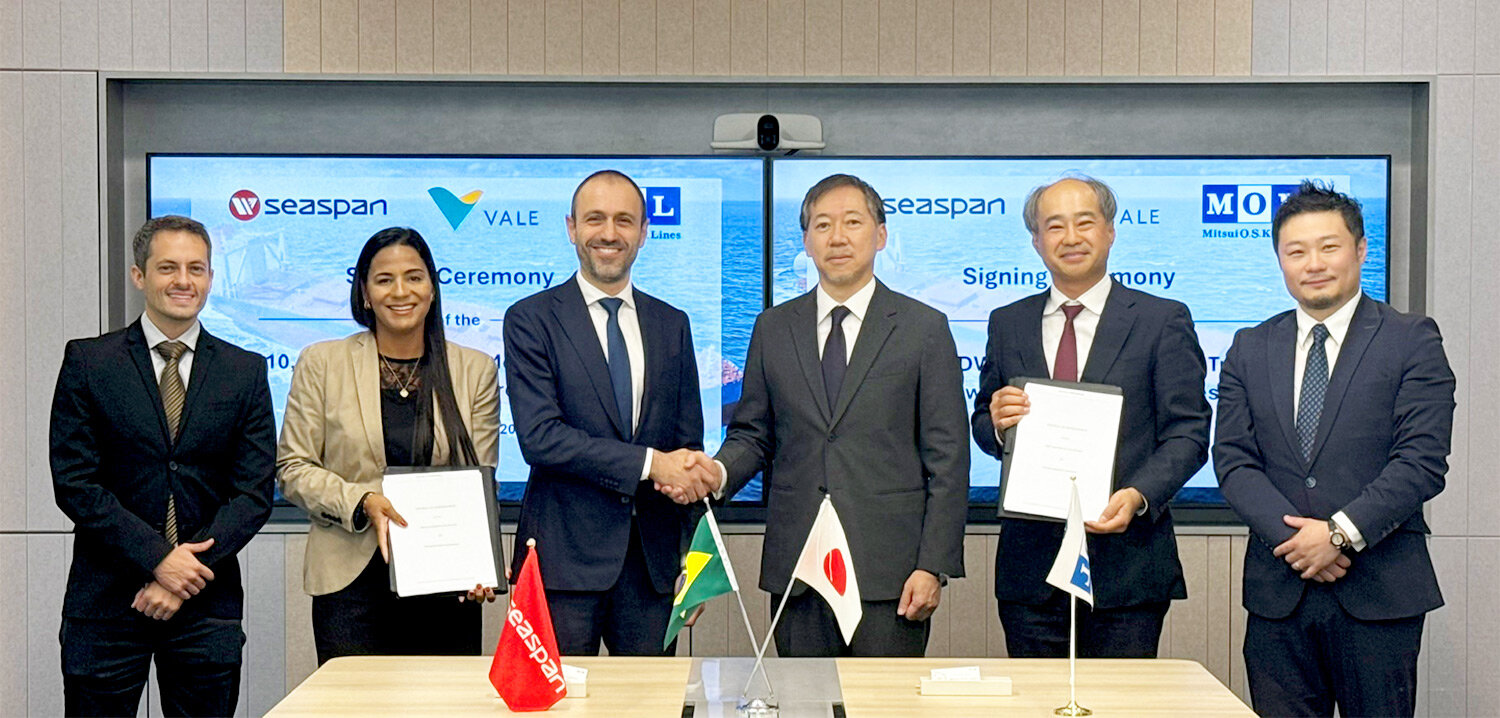

(The signing ceremony)

Ethanol could potentially reduce carbon emissions by up to approximately 90% compared with heavy fuel oil on a full lifecycle basis, from fuel production through consumption (Note 1). In recent years, it has attracted growing attention as a renewable fuel, and its ease of handling is expected to streamline wider adoption in marine fuel applications.

Under its "BLUE ACTION 2035 Phase 2" environmental vision, the MOL Group aims to achieve net-zero greenhouse gas (GHG) emissions by 2050. Through the operation of these vessels, the group will move ahead toward achieving its own decarbonization targets while helping reduce Vale's marine transport-related Scope 3 emissions (Note 2). Furthermore, beyond vessel operations, the MOL Group will work toward the decarbonization of the shipping industry and the realization of sustainable resource transport through collaboration with customers and partners across the entire fuel supply chain for ethanol and methanol, from procurement and supply to bunkering.
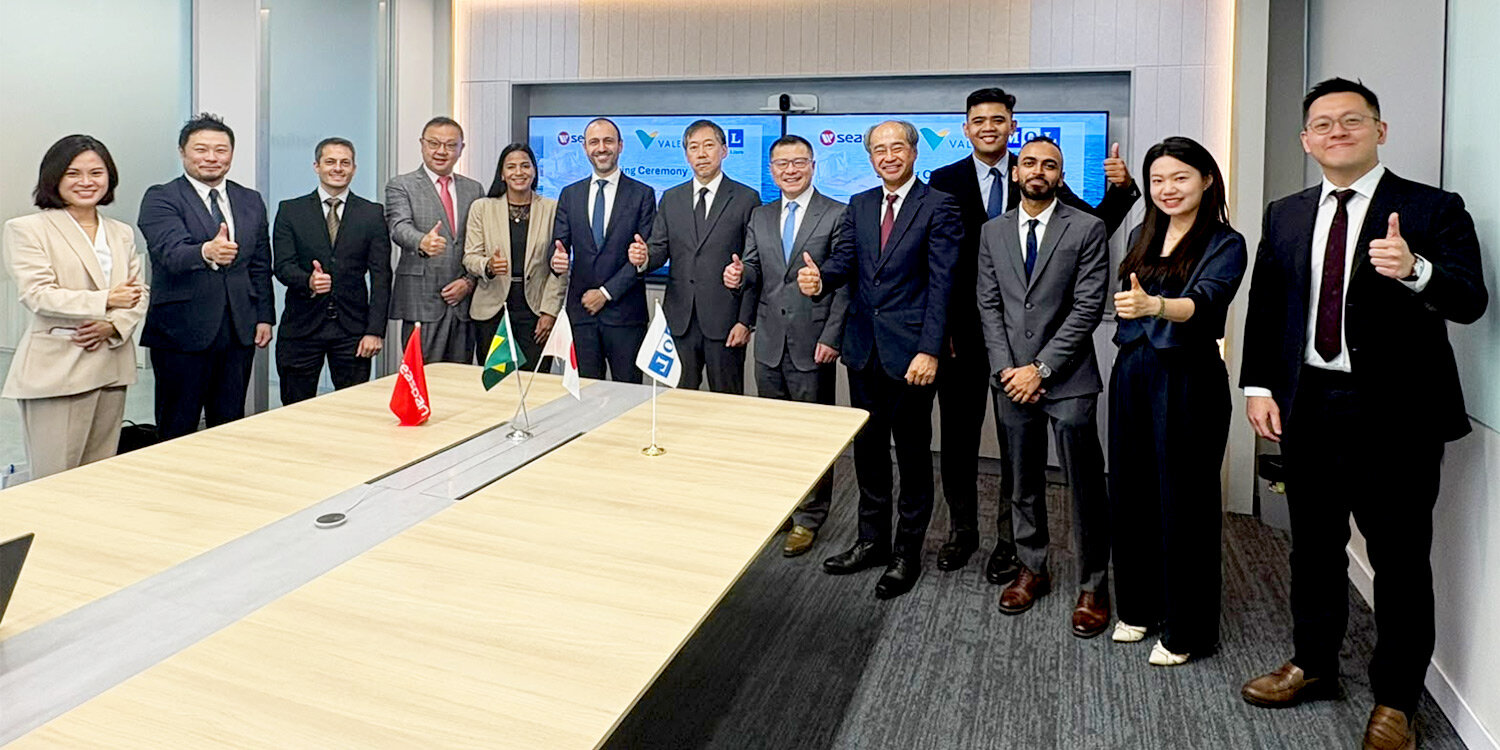

(Project members)

Overview of the Vessels

Main Dimensions LOA: 299.95 m; Breadth: 50.00 m
Ship Type 210,000-metric-ton ore carrier
Main Engine Fuel Tri-fuel (heavy fuel oil, methanol, ethanol)
Scheduled Delivery 2030
Expected Route Iron ore transport from Brazil to destinations worldwide (primarily China)

(Note 1) Based on information provided by Vale.

(Note 2) Scope 3 emissions refer to indirect greenhouse gas (GHG) emissions generated across a company's value chain. In this case, emissions associated with the marine transport of iron ore are included in Scope 3 emissions.


The MOL Group Sustainability Issues

MOL Group identifies "Sustainability Issues" (Materiality) as our key issues for sustainable growth with society through realization of the Group Vision.

We anticipate this initiative to contribute especially to the realization of "Environment.".

Temas:DecarbonizationFuelsShipping LinesCargoNaval Construction
Compartir esta nota

Seguí leyendo

NYK-TDG Maritime Academy graduates 44 cadets in its 16th batch

Pyxis Tankers Announces Date for the Release of the Third Quarter 2026 Results

Making underwater radiated noise measurement practical for the world fleet

Most read

  1. 01Port of Itajaí Enhances Cybersecurity and Updates Systems and Portals
  2. 02ANTAQ's Digital Pilot Platform for Concessions and PPPs
  3. 03Port of Itajaí access channel reopens with restrictions after 71 hours
  4. 04Port PD&I Survey Open Until December 8
  5. 05Port of Itaqui to Auction Fertilizer Terminal on December 9