• 7 min de lectura
• 7 min de lectura
Expedition cruise leaders called for clearer communication about what sets their sector apart, as the customer base broadens and operators face questions about technology, environmental impact and tourism's effects on local communities.
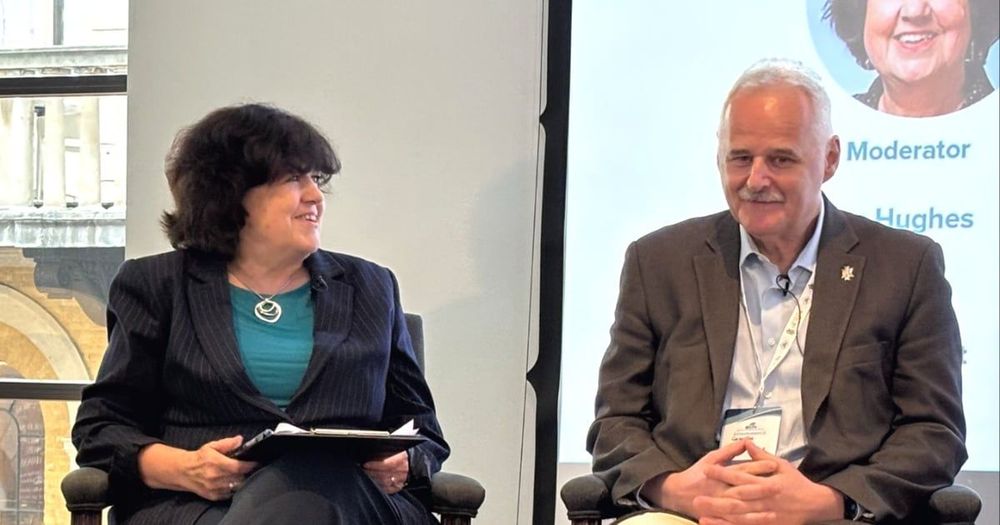
The discussion took place during the opening panel at the Expedition Cruise Network's third annual conference, held today at Glaziers Hall, London Bridge.
The panel featured Rémi Bouysset, CEO of Oceanwide Expeditions; Ragnar Fjölnisson, founder and CTO at Kaptio; John McKeon, president of Polar Latitudes; and Gebhard Rainer, CEO of HX Expeditions. Moderating "The Future of Expedition Cruising: Leadership Perspectives on the Next Decade" was Wanderlust Media founding editor Lyn Hughes.
Rainer argued that expedition travel should be understood through its focus on the places visited and the experiences they offer. "I don't think cruise is a dirty word or a bad word," he said. However, he added, "the destination is the ship" for the cruise industry, whilst expedition operators focus on the destination itself.
He positioned expedition travel as more closely aligned with "purposeful travel" and "mindful adventure," with science and education helping passengers understand the places they visit. Referring to record heat, he said travel to Arctic and Antarctic regions could help people make connections between what they learn on an expedition and changes elsewhere in the world. "You come back with a changed mind," Rainer said.
He also challenged the notion that expedition cruising was simply a "niche" within the wider cruise industry, arguing that the sector had a distinct focus despite sharing the use of ships. The responsibility, he said, was not only to limit operators' footprint but ultimately to leave a positive one in the destinations they visit.
McKeon said the meaning of an expedition could vary according to what travellers wanted from it, and that operators needed to stay aware of how expectations were changing.
Bouysset framed the task for operators and the travel trade as matching the right guest with the right vessel and experience. "It's finding the right guest, the right match," he said, describing those selling the trips as "matchmakers in different ways".
He urged travel advisors to ask clients what they wanted from a trip, including their interests, comfort expectations and preferred activity level. Expedition could mean a demanding hike or a shorter walk, he said, and clear communication could help travellers understand what to expect.
McKeon said operators were seeing more mainstream cruise passengers consider expedition travel. He also noted that travellers increasingly expected Wi-Fi and wanted to stream or share pictures.
Connectivity could also bring new customers within reach, he added. People who needed to remain connected might previously have been unable to take an expedition trip. "Those folks were excluded a decade ago," McKeon said, adding that some could now travel whilst remaining online.
Rainer said the customer profile was changing, too, with younger travellers showing interest in expedition experiences. He linked that shift partly to changing attitudes towards spending: for some younger professionals, buying a car or other tangible assets was less of a priority than having experiences. He also said Covid had changed people's attitudes towards how they wanted to spend their time and money.
The panel explored how different vessels serve different kinds of travellers. Rainer argued that a larger vessel did not necessarily prevent passengers from having an expedition experience, with HX's ships being the largest represented in the discussion.
In Antarctica, he said, regulations limit the number of people who can land at one time. Operators bringing more passengers therefore have to manage the sequence of landings and activities to ensure the experience is delivered across the ship.
There were different preferences amongst travellers, he added. Some felt safer on a larger ship whilst others valued the challenge of a small vessel: "There are others who say part of my expedition is roughing it out on a five-cabin yacht going through the Drake Passage," he explained.
Rainer said operators could not simply keep increasing passenger capacity if they wanted to land passengers. "If you go beyond 500, you can't land anymore," he said. Otherwise, he warned, ships risked what he called the "Alaska syndrome": travelling up and down the coast whilst passengers viewed it from the ship rather than going ashore to experience the place.
Bouysset described a customer base that has become more international for Oceanwide Expeditions. He said approximately 25% of the line's business comes from Asia and 25% from the US, with the rest from mainland Europe. That mix creates opportunities as well as challenges, he said, particularly in ensuring that passengers understand what to expect before they board.
On a 100-berth vessel, he said, "there's no place to hide," making it important to communicate expectations clearly in advance. However, he added that a shared experience could bridge language differences once passengers were on board. "One thing that is very universal is emotion," Bouysset said. Seeing a bear or an iceberg from a Zodiac, he explained, could create a common response amongst travellers regardless of the languages spoken.
Fjölnisson highlighted technology's role in connecting expedition travel with broader holiday experiences. Kaptio's platform creates tailor-made itineraries with expeditions as the central element, and he reported growing interest in bundling - combining expeditions with rail travel and other adventure experiences. He expects expedition travel to remain distinct from mainstream cruising whilst becoming increasingly integrated with complementary travel products.
Technology could also address the complexity of booking changes. Fjölnisson said expedition bookings were "incredibly amendment-heavy" and cited a benchmark study in which 60% of bookings were touched after the initial deposit. Changes could include adjustments to the booking, shore excursions and pre- or post-trip arrangements, he said.
He argued that these processes needed to become easier, reducing manual administration and freeing staff to focus on selling and advising. He also said AI could help operators analyse booking and sales information, support agents with relevant content and improve the customer journey.
The panel also examined whether expedition travel could put pressure on the destinations it visits. Rainer warned that unmanaged tourism could affect local residents, housing costs and the character of communities. He said operators should work with communities well in advance, understand how they want their cultural heritage presented and help create economic opportunities.
He also raised the effects of short-term accommodation on housing affordability, citing Airbnb as part of a wider pattern in which tourism and business pressures can push up rents and displace local people. Remote communities, he said, face additional challenges, including young people leaving because of limited opportunities.
McKeon said the sector should move beyond "leave no trace" and work towards leaving a positive impact. He cautioned against claiming that the industry was already sustainable whilst it continued to burn large quantities of fuel: "It's hard to make believe you're sustainable when you're burning 12 tons of fuel every day," he said.
Bouysset agreed that the industry needed to be transparent about its impact. "There is an element of greenwashing," he said. "An expedition has got an impact. We burn fuel."
He said operators should combine transparency with efforts to improve operations and reduce their impact. Oceanwide has bought land in Brazil for reforestation, he said, whilst acknowledging that offsetting alone was not the answer. He also said expedition operators could help passengers return more aware of environmental change through encounters with remote places and the experts who explain them.
The panellists anticipate growth from beyond the existing expedition customer base. Bouysset said hikers and trekkers who might not think of themselves as cruise passengers could be drawn to activities in destinations such as Greenland and Antarctica. Oceanwide is confident the market will grow, with three vessels currently on order.
Fjölnisson expects expedition voyages to be increasingly combined with other kinds of travel, whilst Rainer predicted a wider range of destinations, including warm-water regions alongside the polar areas.
Rainer said strong storytelling would be crucial to explaining what expedition travel offers. "As soon as you deal with an emotional product, you need to be a very good storyteller," he said. Operators and the trade, he argued, needed to convey the distinctive experience – not just the journey by ship – to prospective travellers.