• 2 min de lectura
• 2 min de lectura
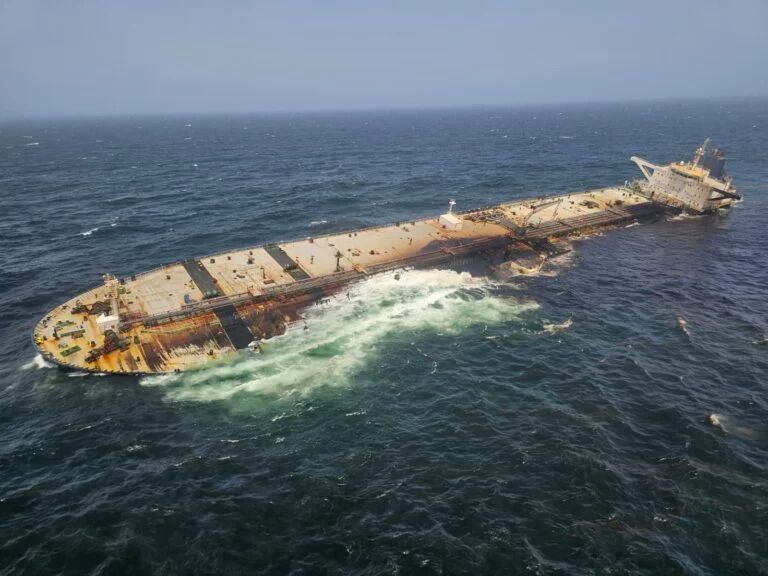
Weather conditions and operational challenges were hindering rescue efforts for a grounded oil tanker spilling Russian crude oil in a protected marine area off the coast of Oman, the sultanate's state news agency reported.
Oman has been coordinating the rescue operation with risk management firm Ambrey as part of efforts to contain environmental damage from a spill that, by some estimates, covers 2,000 km2.
The Omani government's environment agency provided an official estimate of 400 km2 on August 10 but has not yet released an update.
The spill from the oil tanker Caroline Bezengi, apparently the result of an unexplained attack on the vessel in June, has spread around a nature reserve and reached the Omani coast.
Mohammed bin Abdullah al-Rawahi, Director General of Maritime Affairs at Oman's Ministry of Transport, Communications and Information Technology, said difficulties arose due to the monsoon in the area and the shallow, rocky nature of the grounding site, the news agency reported.
The conditions exposed rescue vessels and equipment to "operational and navigational risks," he was quoted as saying.
"The operation is further complicated by the damage to the vessel, with a large flooded area on one of its sides," the Omani authority added.
The vessel, which was carrying an estimated 800,000 barrels of Russian oil and was subject to international sanctions, ran aground on June 30 near an Omani marine nature reserve that is home to wildlife, including humpback whales and Socotra cormorants.
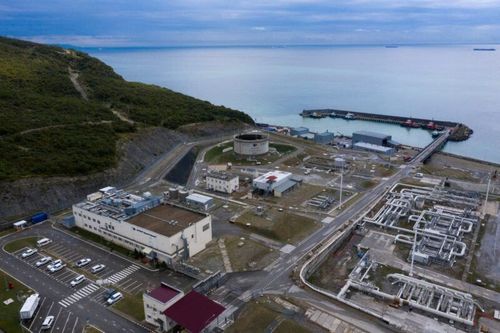
The Caroline Bezengi loaded in the Russian port of Novorossiysk, in the Black Sea, in April and passed through the Suez Canal in late May, ship tracking data shows.
Built in 2001, it is part of Russia's so-called "shadow fleet" of older tankers, which lack Western insurance coverage and sail under various national flags to conceal their true ownership.
The vessel is subject to sanctions imposed by the European Union, Ukraine, the United Kingdom, Canada, and Switzerland.