• 5 min de lectura
• 5 min de lectura
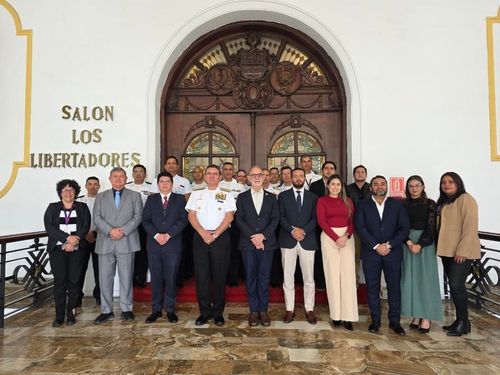
The Málaga Port Authority carried out a commercial initiative in Chile between September 24 and 28 with the aim of strengthening its relations with the country's fresh fruit export sector and exploring new opportunities for the arrival of fruit and vegetable products from South America through the Port of Málaga.
The Málaga delegation was composed of the director of the Málaga Port Authority, José Moyano; the head of International Relations, Commercial and Marketing of the public body, Alejandro Martínez; and the director of Noatum Málaga, César Cegarra.
During the mission, the delegation maintained an intense work agenda in Santiago with exporting companies, logistics operators, and shipping lines active in the Chile-Europe corridor to understand their needs and present the possibilities offered by the Port of Málaga as an entry and distribution point for fruit and vegetable goods in the European market.
The commercial agenda was completed with an institutional meeting held at the Residence of the Spanish Ambassador to Chile, Laura Oroz Ulibarri, with the support of the Economic and Commercial Office of the Spanish Embassy, which allowed highlighting the capabilities of the Málaga port facility and strengthening contact with the country's business and logistics fabric.
Subsequently, the Málaga delegation visited different points in the Metropolitan Region of Santiago to learn firsthand about the activity of companies related to the Chilean fruit and logistics sector and analyze the opportunities offered by the market for the development of new commercial flows with Europe.
This commercial action responds to the interest of the Málaga Port Authority in strengthening ties with long-haul markets and, especially, with those that present opportunities for the development of perishable and fruit and vegetable traffic.
The Port of Málaga has maintained a commercial relationship with the markets of Peru and Costa Rica for years and, in 2026, has expanded its commercial action to Chile. Last March, a delegation from the Port of Málaga made a first visit aimed at the agro-export sector, so this September action is a continuation of the contacts initiated during that first mission.
The fruit and vegetable sector constitutes a priority axis within this strategy due to the specific conservation and speed requirements of perishable goods transport. In this context, the Port Authority works together with companies in the Port Community to offer logistics solutions adapted to international operators.
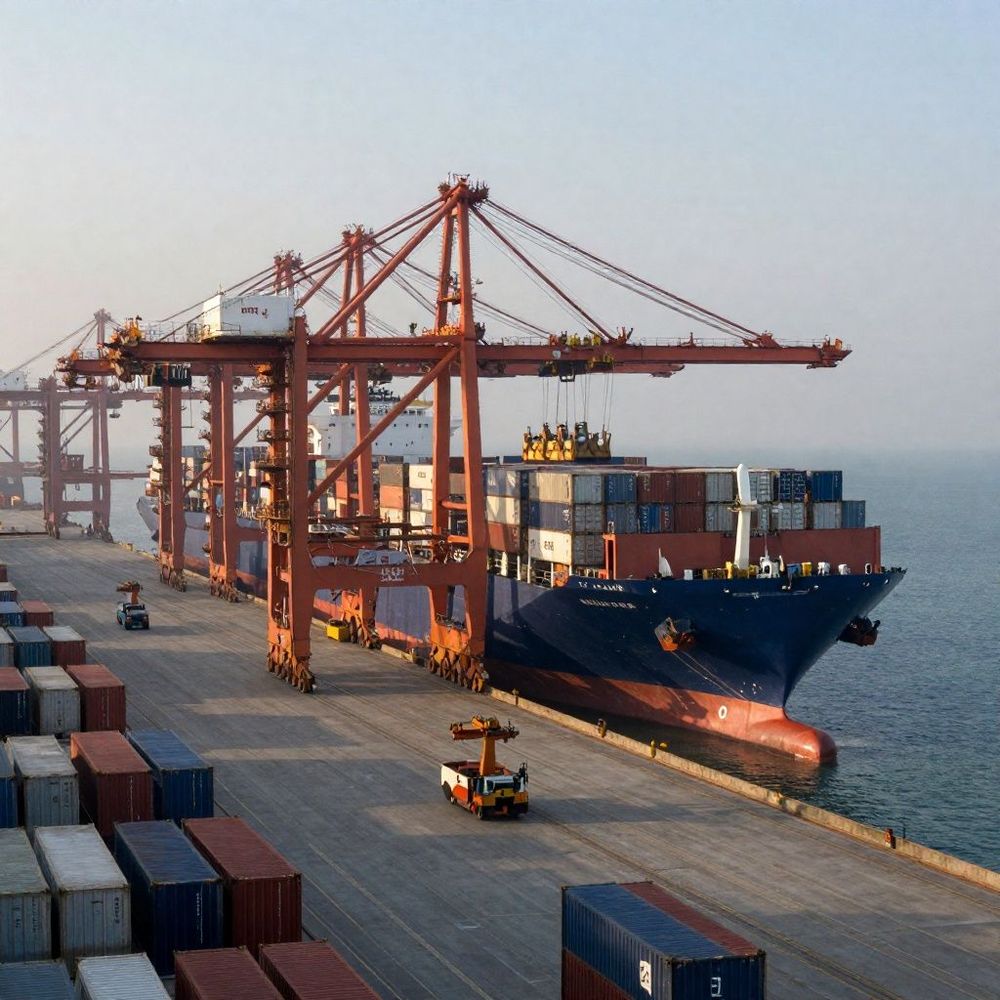
The Port of Málaga offers infrastructure and services adapted to the needs of perishable goods traffic. The facility has 42,000 square meters of storage area, 723 meters of quay length, up to 16 meters of draft, and 1,200 connections for refrigerated containers.
In addition to these capabilities, the Reefer Fast Track service is available, designed to expedite the access of refrigerated containers to the port facility, as well as a Border Inspection Point with the capacity to operate seven days a week through the coordination of the various agents involved in the logistics chain.
The geostrategic location of the Port of Málaga as a link between the main Atlantic and Mediterranean routes, together with its 24/7 operation, constitutes one of the main arguments of the facility's commercial offer for international traffic.
Furthermore, its road and rail connections with the main logistics hubs and distribution centers expand the port facility's area of influence and facilitate the transfer of goods to their final destinations.
This commitment is developing in a context of positive evolution of refrigerated cargo traffic in the Port of Málaga. During 2025, 4,300 refrigerated containers (reefers) were handled, compared to 3,027 recorded in 2024, representing an increase of approximately 42% and reflecting the growth of activity linked to the transport of perishable products, especially from the fruit and vegetable sector.
This growth has been accompanied by an increase in the available capacity of maritime services connecting Málaga with exporting countries in Latin America, strengthening the Málaga port's capabilities to channel perishable goods to the European market.
In this regard, the Port Authority continues to work to consolidate existing connections and generate new commercial opportunities in the origin markets, establishing direct relationships with producers, exporters, shipping lines, and logistics operators.
The commercial strategy of the Port of Málaga is based on its positioning as a boutique port in Southern Europe, a model based on providing high-quality logistics services, flexibility, and personalized attention to international operators.
Among the main advantages of the enclave is its geostrategic location at the crossroads of the main Atlantic and Mediterranean maritime routes, as well as its operational capacity 24 hours a day, 365 days a year.
The port facility has 42,000 square meters of storage area, 723 meters of quay line, up to 16 meters of draft, and 1,200 connections for refrigerated containers, infrastructures that allow meeting the specific needs of perishable product transport.
Likewise, specialized services such as Reefer Fast Track, which expedites the access of refrigerated containers to the facility, and the Border Inspection Point, operational seven days a week, contribute to streamlining processes and reducing times associated with the logistics chain.
These capabilities are complemented by the facility's land connectivity, both by road and rail, with the main logistics hubs and distribution centers, thus expanding the Port of Málaga's area of influence.