• 3 min de lectura
• 3 min de lectura
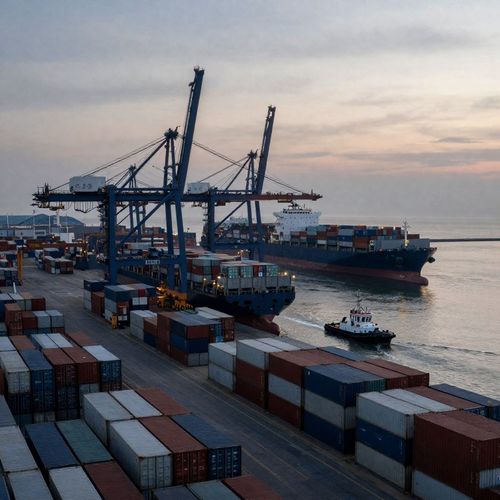
Some Asian refiners are pushing back against Saudi Aramco's request that they pick up their oil at Yanbu on the Red Sea, due to the difficulty of finding ships willing to sail through the dangerous waterway.
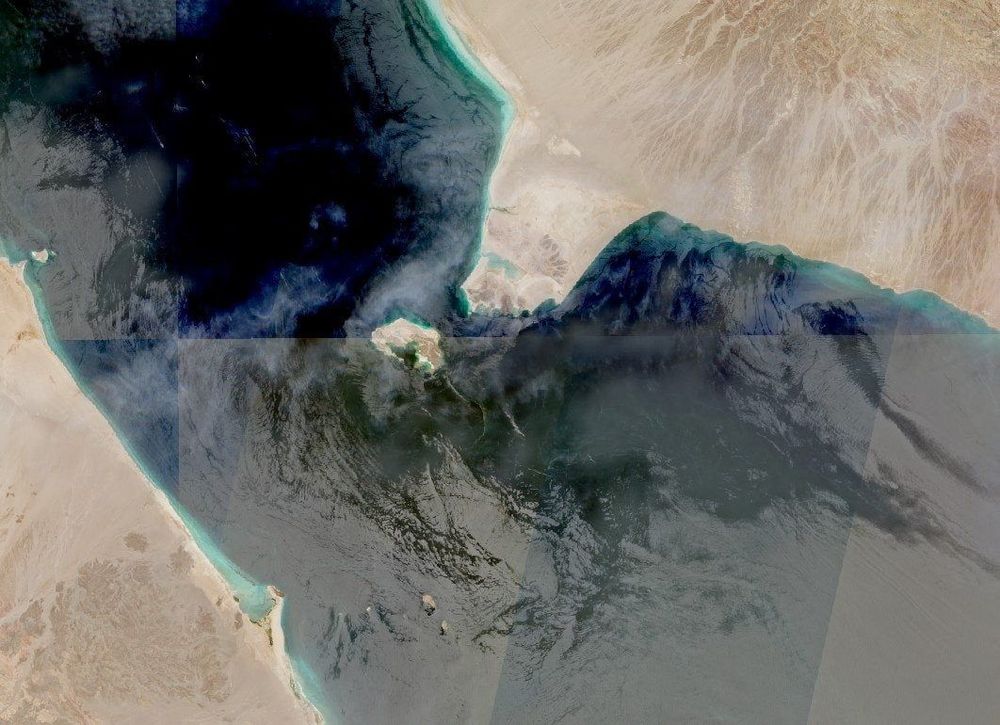
Recent attacks on tankers and energy infrastructure by Iran-backed Houthi militants in the Red Sea region have raised risks for shipowners and opened up another front in the Middle East conflict. Yanbu became crucial to Saudi Arabia's efforts to keep shipping large volumes of crude after the war snarled traffic through the Strait of Hormuz and choked off supplies from the Persian Gulf.
At least two Asian refiners have asked Aramco if they can take their purchased oil cargoes from Egypt's Mediterranean port of Sidi Kerir instead, according to traders who asked not to be named as they're not authorized to speak to media. The request relates to cargoes that are scheduled to be collected in September under long-term contracts with Aramco. Still, at least one of the refiners may decide to skip its monthly allocation due to the higher costs associated with shipping crude from Sidi Kerir around Africa to Asia, the traders said.
Some shipments of Saudi crude had already been diverted to Sidi Kerir prior to Aramco's September sales. As part of its allocations next month, Aramco asked Japanese and South Korean refiners to pick up their cargoes from the Egyptian port, according to the traders. Most processors in China, Taiwan and India were asked to collect their oil from Yanbu, they added.
Aramco declined to comment.
Refiners buy Saudi oil under long-term contracts that are agreed on an annual basis. A set amount of crude is purchased over the year, but there is flexibility on when those volumes can be taken, allowing a buyer to reduce or skip its monthly allocation if needed.
The overall volume allocated by Aramco for next month isn't clear, but traders said the amount sold to refiners in countries outside of China were broadly in line with recent months. Prior to the Houthi threats, all of the Saudi oil that went to Asia was loaded at Yanbu and typically sailed through the narrow Bab el-Mandeb strait at the southern end of the Red Sea.
Two Chinese-owned tankers transited Bab el-Mandeb carrying Saudi crude with their transponders on last month, but many ships are going dark in an effort to avoid detection and potential attacks.
For September, Aramco cut its main crude price for Asian customers, with the current discount putting levels at the lowest since 2020. Prices, however, are for oil loaded from Ras Tanura inside the Persian Gulf, and the final prices that refiners pay for supply loading elsewhere are higher due to the added logistics costs of bringing the crude further out.