• 4 min de lectura
• 4 min de lectura
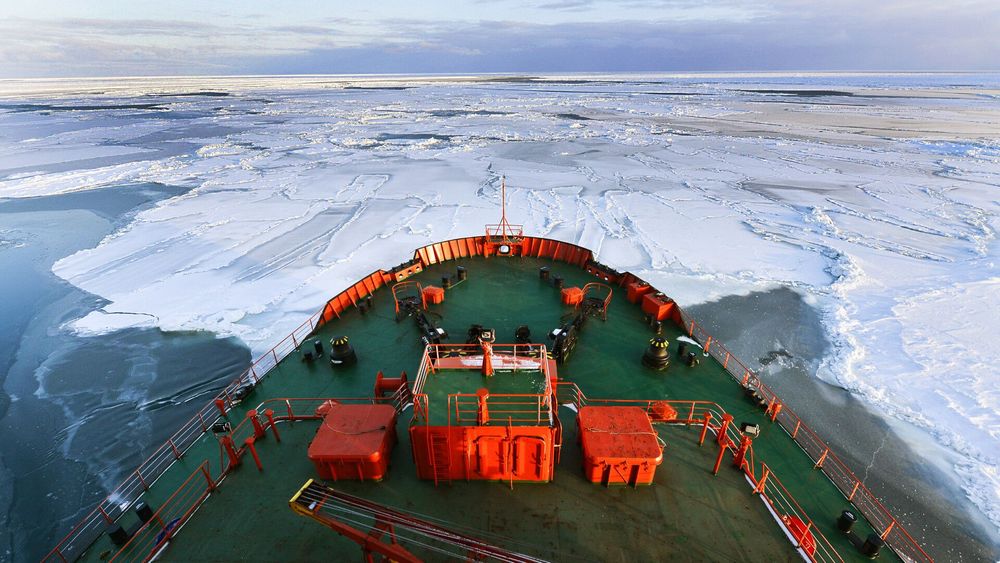
South Korea will dispatch a container ship to Europe via the Arctic on Saturday, August 22. The voyage seeks to evaluate the commercial viability of a route opened by melting ice; however, the journey requires Russia's cooperation, which could create tensions with its Western allies.
If successful, the trip will constitute South Korea's first commercial shipment to Europe via this route. With this, the country will join China and Russia in the small group of nations whose shipping companies have tested or operated cargo transport on the Arctic route.
Sailing north from the Port of Busan, the PanStar Acro will make calls in Felixstowe (United Kingdom), Rotterdam (Netherlands), and Gdansk (Poland) before returning, on a voyage that will take between 40 and 45 days, as reported by its operator, PanStar.
"Towards September, when this trip will mainly take place, Arctic sea ice reaches its lowest level of the year, allowing for safer navigation," said a group representative on condition of anonymity, as they were not authorized to speak to the press.
South Korean President Lee Jae Myung has set Arctic navigation as a priority. According to authorities, this project will boost the transformation of the southeastern port of Busan into a global maritime hub and consolidate the Arctic as a regular trade route by 2030.
Meanwhile, Western diplomats have expressed discomfort with the project, as it required Seoul to consult Russia and process navigation permits for the vessel.
"We want to isolate Russia, we don't want to engage with Russia," said a European diplomat in reference to the war in Ukraine, adding that they had already expressed this concern to South Korean authorities.
Arctic navigation specialists also warn that South Korea would risk violating international sanctions if the vessel required Russian assistance in the event of setbacks, such as getting trapped in ice.
The accelerated melting of the Arctic, attributed to global warming, has increased the viability of testing the so-called Northern Sea Route (NSR) this summer in the northern hemisphere.
As traffic in the area intensifies, the Norwegian monitoring foundation High North Logistics Center reported that 88 vessels made 103 transits through the NSR last year, compared to 97 in 2024 and 43 in 2022, mainly from countries like Russia and China.
The South Korean Ministry of Oceans stated that the Arctic route could shorten voyages by up to 35% compared to the usual Suez Canal route, in addition to reducing fuel consumption. However, evaluating its commercial viability is more complex.
Unit transport costs on the Arctic route are increased by factors such as vessel size restrictions and the value of insurance policies, explained former naval officer Hyewon Choi in a study published last year in the journal Ocean Policy Research.
"We cannot use the Northern Sea Route all year round," she told Reuters, adding that the route is only navigable for container ships during the three summer months when the ice melts.
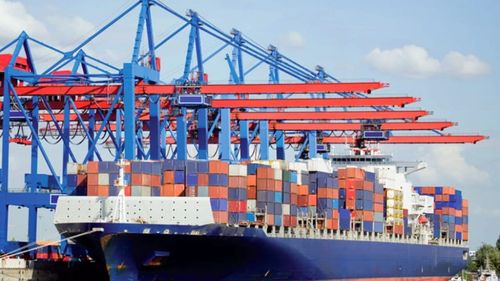
PanStar, awarded a government-backed tender for this pilot voyage, acquired a 2,700 TEU capacity container ship from Hyundai Merchant Marine (HMM) and adapted it for polar navigation with a crew of 20 South Koreans and Indonesians.
The company informed Reuters that it seeks to capture at least 1,300 TEU of cargo – such as auto parts, food, and cosmetics – along with shipments from China and Japan, with customers from the latter country having shown interest.
China is already trying to secure the first-mover advantage on the route, which makes a South Korean voyage more urgent, said the PanStar representative.
"South Korea must begin to accumulate the operational experience and data it has lacked until now, if the national goal of having a regular commercial service by 2030 is to be achieved," he added.
Sea Legend Shipping, a Chinese company, plans to launch the first regular container ship service to Europe via the NSR, according to the Russian operator of the route.