

Nov 16, 2026
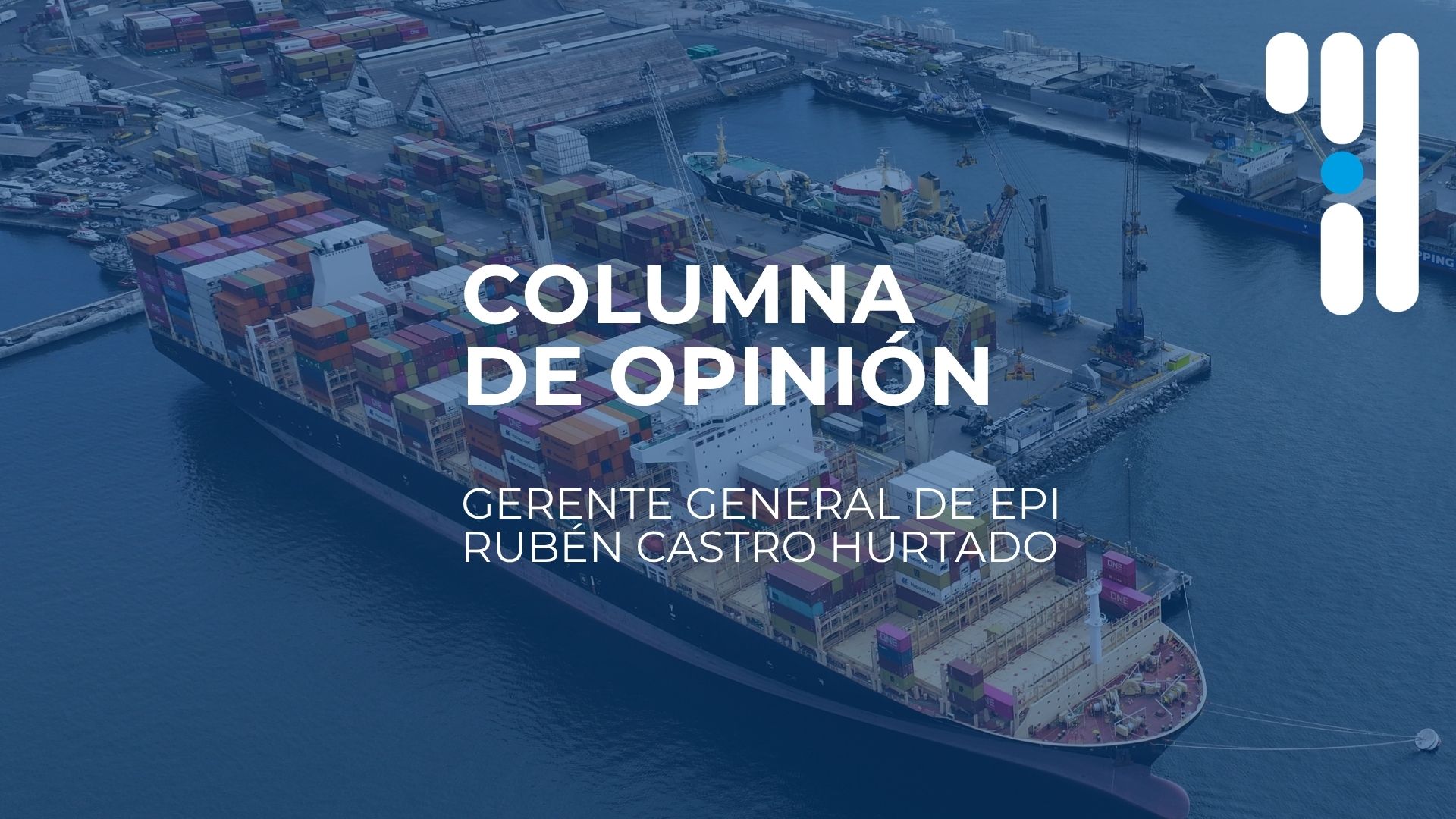
Column by Rubén Castro Hurtado, General Manager, Empresa Portuaria Iquique
Industry 4.0 is a key factor for the success of the future tender for the Port of Iquique, as it will transform the terminal into a modern, efficient, and internationally competitive logistics platform.
In a context where port competitiveness increasingly depends on operational intelligence and adaptability, the new concession represents an unprecedented strategic opportunity to project Tarapacá's main investment project into the coming decades, ensuring world-class standards.
The incorporation of technologies such as the Internet of Things (IoT), Artificial Intelligence (AI), and the automation of key processes will optimize cargo management, improve real-time traceability, reduce operating times, and increase both productivity and occupational safety.
These tools will also facilitate more efficient decision-making through predictive analytics, interoperability among stakeholders, and the comprehensive digitalization of procedures and document flows.
Furthermore, Industry 4.0 will contribute to strengthening the port's sustainability and resilience against the challenges of climate change and increasingly intense swells. Thanks to continuous environmental monitoring and AI-based predictive models, it will be possible to anticipate adverse oceanographic events, protect infrastructure, and ensure operational continuity.
In parallel, digitalization and intelligent equipment control will reduce energy consumption and the carbon footprint, promoting cleaner, quieter, and more harmonious operations in the port-city relationship.
Thus, the tender not only seeks to modernize physical infrastructure but also to lay the groundwork for consolidating a smart and green port, capable of leading the logistics of the northern macro-zone and bioceanic corridors, generating sustainable economic development, productive linkages, and quality employment for the entire Tarapacá region.


