• 3 min de lectura
• 3 min de lectura
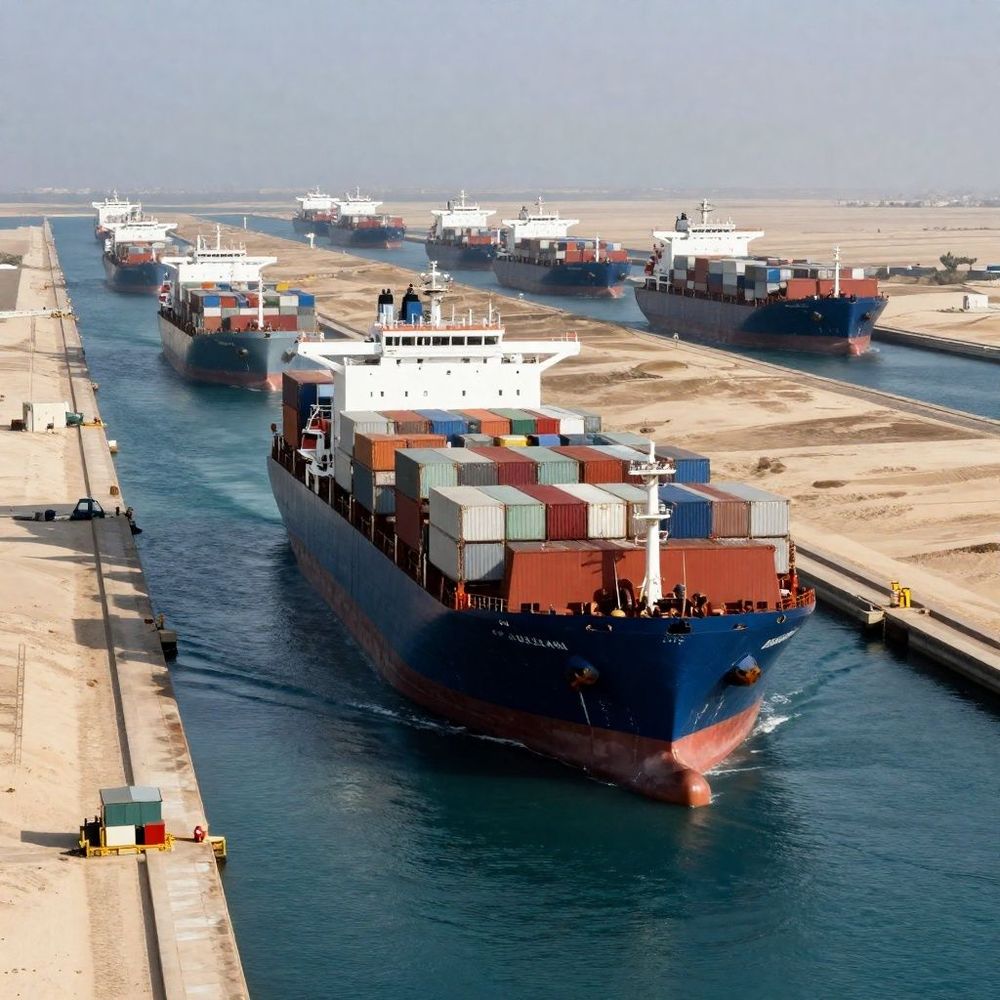
A total of 7,731 Peruvian companies exported goods worldwide in the first seven months of 2026, a number that represented a 3.4% increase compared to the same period last year (7,476), reported the Association of Exporters (Adex).
Although 2,246 productive units stopped exporting during the analyzed period (2,103 were micro and small enterprises), another 2,501 ventured into international markets (2,195 were MSMEs).
The Exporting Companies-July 2026 report, according to information processed by Adex's Center for Research in Economics and Global Business – with data from Sunat – detailed that the exporting core (those with uninterrupted shipments since 2000) was made up of 312 companies, of which 155 were large, 99 small, 47 micro-enterprises, and 11 medium-sized.
From January to July, out of the total exporting fabric (7,731), micro-enterprises (4,364) represented 56.4% of the total, small businesses (2,540) 32.9%, large companies (579) 7.5%, and medium-sized companies (248) 3.2%. However, in terms of FOB value, MSMEs concentrated only 3.7% (US$2,294.5 million) of the US$63,521 million exported.
In order to strengthen their internationalization, 13 MSMEs participated in the PymExporta pavilion at Expoalimentaria 2026, where they sought to finalize deals with thousands of international buyers.
With an agenda that included more than 3,000 business meetings, the offerings of these businesses ranged from superfoods (avocado, grapes, blueberries, and quinoa) to snacks with higher added value, nutraceutical supplements, and hydrobiological products such as squid.
The Cien-Adex report also shows a high commercial concentration: 51.9% of companies (4,016) made shipments to a single destination; while only 4.9% (376) reached 10 or more markets. Likewise, 55.3% (4,277) export 1 single product, 30.6% (2,366) between 2 and 5 products, 8.3% (641) export 10 or more products, and 5.8% (447), between 6 and 9.
Leaders
By sector, those with the highest number of productive units were agribusiness (2,076), traditional mining (1,494), metalworking (1,485), chemical (1,232), and various (1,025). These were followed by apparel (821), textile (436), iron and steel (421), non-metallic mining (321), traditional agriculture (314), fishing and aquaculture (301), timber (130), jewelry (98), hydrocarbons (46), and traditional fishing (35).
However, some of these activities are still below their historical highs. These include traditional fishing (85 companies in 2000), jewelry (216 in 2008), timber (390 in 2008), fishing and aquaculture (375 in 2012), non-metallic mining (428 in 2012), apparel (1,591 in 2012), and textile (668 in 2014), among others.
By destination, the U.S. received shipments from 2,005 companies, the European Union from 1,699, Chile from 1,541, India from 1,336, and Ecuador from 1,197.
In the case of regions, Lima had the highest number with 4,361, Puno 1,305, Piura 504, Callao 495, Ica 404, Arequipa 338, La Libertad 321, Tacna 289, Áncash 261, Junín 239, and Lambayeque 205.
The data
Source: andina_seccioneconomia