

With the aim of positioning Peru as a benchmark in logistics integration and competitiveness in the region, the Vice Minister of Transport, Gabriela Carrasco Carrasco, inaugurated the international forum "From Connectivity to Growth: Economic Corridors in South America" in the city of Arequipa. The event was organized by the World Bank Group (WBG) and hosted by the Peruvian Government through the Ministry of Transport and Communications (MTC).
During the opening ceremony, the Vice Minister of Transport emphasized that economic corridors transcend mere road or port infrastructure, constituting true articulating axes that link production centers with markets and integrate local producers into regional and international value chains.
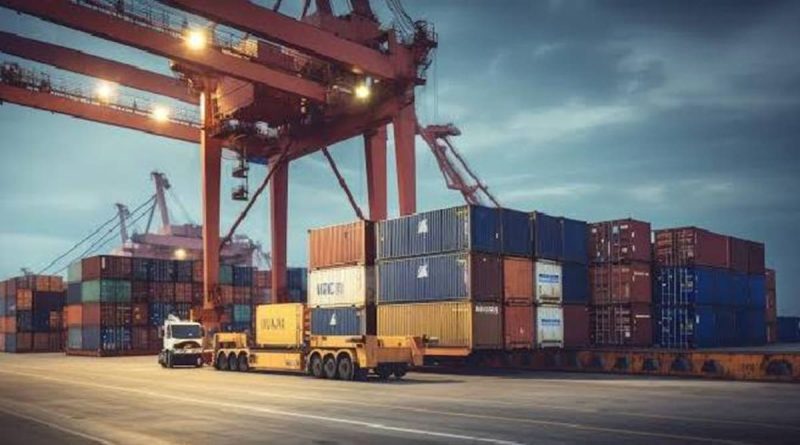
She also highlighted the strategic role of the logistical hubs in the south of the country—such as Juliaca, Moquegua, Tacna, and Desaguadero—and their connection with maritime and land borders. In this regard, she highlighted key investments that are strengthening the competitiveness of this macro-region, such as the expansion of the port of Matarani, the modernization of the port of Ilo, and the improvement of road infrastructure in the IIRSA Sur corridor.
In her speech, the head of the Vice Ministry of Transport emphasized that consolidating efficient corridors requires complementing physical infrastructure with the simplification of customs procedures, cross-border coordination, and the use of digital solutions that optimize traceability and logistics management.
Similarly, she warned about the need to design sustainable and resilient infrastructure in the face of the effects of climate change and events such as the El Niño phenomenon. "The objective is to have economic corridors that maintain their operability in adverse situations, protect productive activities, and ensure the continuity of supply chains," she pointed out.
After the inaugural act, the Vice Minister of Transport participated in two central panels of the event; the ministerial plenary, together with high authorities from Bolivia and Argentina, and the WBG Regional Infrastructure Director, Marcela Silva, where she addressed investment priorities and the strategic vision of transport as a driver of productive transformation, and the agriculture plenary, where she analyzed how efficient logistics and connectivity reduce transport costs and post-harvest losses for the benefit of agricultural exporters.
The international forum takes place on November 18 and 19 with delegations from Argentina, Bolivia, Brazil, Chile, Paraguay, Peru, and Uruguay.


