• 2 min de lectura
• 2 min de lectura
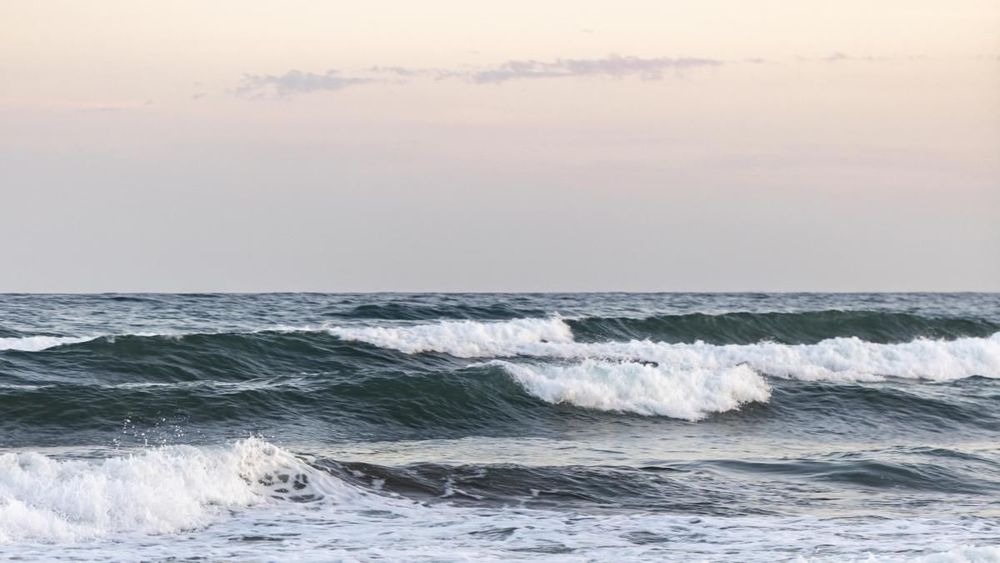
The Oceanographic and Antarctic Institute of the Ecuadorian Navy (INOCAR) issued an alert for the arrival of high-energy swells from the Southwest Pacific, which will impact the continental coastal profile and the insular region of the Galapagos Islands. The phenomenon coincides with a spring tide or 'aguaje' phase between June 1 and 4, which increases the intensity of the sea state and risk conditions in coastal and maritime areas. The provinces of Esmeraldas and Manabí are among the areas most exposed to the impact of the swells.
According to hydrometeorological monitoring, waves are expected to exceed 2 meters on the continental coast, while in Galapagos they could reach up to 2.5 meters, generating a sea state classified as "very rough" between June 2 and 4, considered the period of greatest vulnerability. These conditions could affect the safety of maritime operations, port activities, artisanal and industrial fishing, as well as the transit of smaller vessels and cabotage in exposed areas.
From a logistics and port perspective, the increase in marine energy and the formation of rip currents can generate temporary operational restrictions in terminals, docks, and anchorage areas, affecting the continuity of loading and unloading operations. In this context, technical monitoring of oceanographic conditions and coordination with port authorities become crucial for the safety of the maritime supply chain and the resilience of port operations in the face of high-intensity climatic events.
Source: El Diario