• 2 min de lectura
• 2 min de lectura
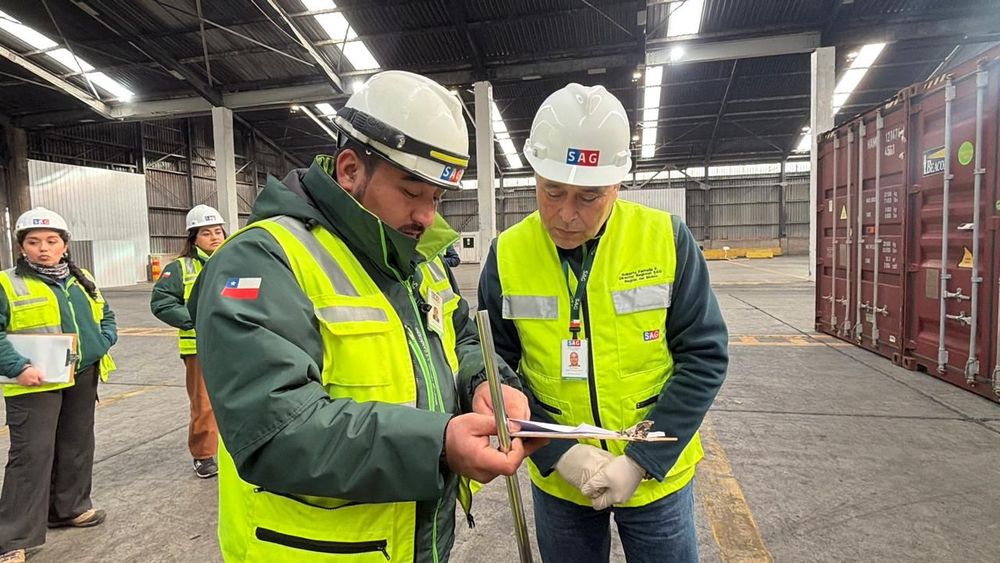
The Agricultural and Livestock Service (SAG) increased by 51% the number of inspections of agricultural and livestock products and other goods under the public agency's jurisdiction in the ports of the Bio Bio Region, associated with the conditions generated by the recent bad weather front that affected the country and the diversion of vessels to the area.
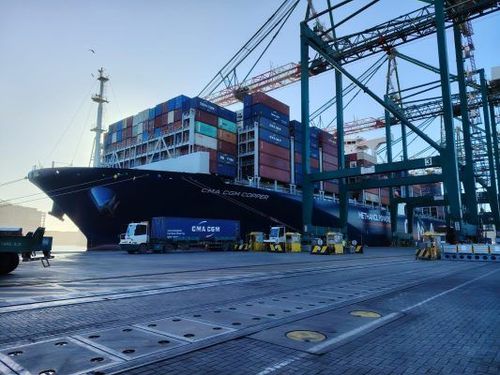
Following this, the Regional Director of SAG Bio Bio, Roberto Ferrada, participated in the inspections carried out by service officials at San Vicente Terminal Internacional (SVTI), located on the coast of Concepción Province.
During the day, SAG teams verified compliance with the phytosanitary requirements established for the entry into the country of various agricultural and livestock products, including seeds and peat.
In this regard, the Regional Director of SAG Bio Bio highlighted that "for us, it is crucial and an unavoidable commitment to the phyto and zoosanitary heritage to carry out all inspections of agricultural and livestock products that enter the country. These actions ensure compliance with current regulations and, at the same time, respond promptly to the needs of those involved in import processes."
"We carry out this work through collaborative efforts with Chilean Customs and the port administrator, where we have great cooperation. In this way, we address all user challenges, performing a safe yet timely inspection for the product," he added.
Seed Imports
Nationally, between January and July 2026, 3,362 tons of imported seeds were registered through El Sauce, Valparaíso, San Antonio, and Comex Aiamb, SVTI, Coronel, DP World Lirquén, among other entry points, of which 49% of the total imported seeds entered through the region's ports.
According to SAG records, during the January-July 2026 period, 1,632 tons of seeds were imported through the port facilities of the Bio Bio Region, mainly through SVTI, originating from New Zealand, Germany, and Denmark.
In line with the above, the main imported species include Lolium perenne (ryegrass), Brassica napus (canola), Dactylis glomerata (orchardgrass), and Trifolium (clover).
During this period, SAG Bio Bio rejected a 10-ton lot of Lolium seed due to non-compliance with the resolution authorizing its entry. "As a phytosanitary measure, its re-shipment to its origin was determined," the public agency communicated.