• 3 min de lectura
• 3 min de lectura
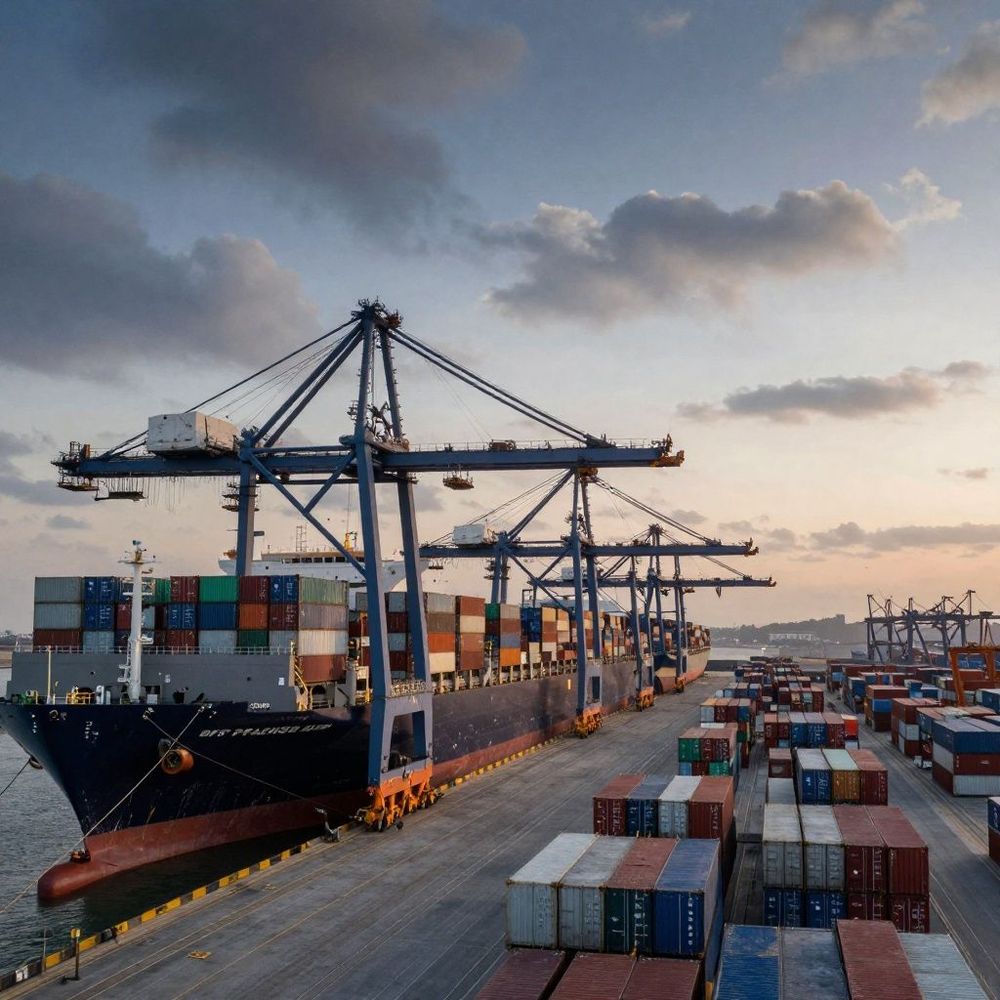
The CMA CGM Group announces the first bio-LNG bunkering of the CMA CGM NOTRE DAME, the Group's latest 24,000-TEU LNG-powered container ship and currently the world's largest LNG-powered container vessel. With 11,125 m³ of bio-LNG delivered, this operation ranks among the world's largest bio-LNG bunkering operations and is the largest ever carried out for a CMA CGM vessel.
The CMA CGM NOTRE DAME will receive its first bunkering operation in Rotterdam, taking on 11,125 m³ of bio-LNG produced in Europe from biomethane derived from agricultural and organic waste. The bio-LNG will be supplied by TotalEnergies' LNG bunkering vessel.
Commissioned in May 2026 and sailing under the French flag, the CMA CGM NOTRE DAME is the largest container ship operating under the French flag. With a capacity of 24,212 TEUs, including 1,600 reefer plugs, the vessel has been designed to operate on LNG and is already fully compatible with the use of bio-LNG and, in the future, synthetic fuels such as e-methane.
Bio-LNG, or liquefied biomethane, is a renewable fuel that complies with European standards and delivers at least a 67% reduction in greenhouse gas emissions over its full life cycle compared with conventional marine fuels. Its use helps accelerate the maritime industry's energy transition while relying on the LNG bunkering infrastructure already deployed at scale, with deliveries based on a mass balance approach.
With the support of TotalEnergies and the Port of Rotterdam, and as part of the development of a green corridor between Rotterdam and Asia, this operation illustrates CMA CGM's determination to pursue its decarbonization strategy while supporting the development of European renewable fuel value chains for maritime transport. As one of the world's leading LNG and bio-LNG bunkering hubs, the Port of Rotterdam plays a key role in enabling the large-scale deployment of alternative marine fuels.
It builds on the Group's pioneering initiatives launched in 2020 with the entry into service of the CMA CGM JACQUES SAADE. In full compliance with European sustainability and traceability requirements, CMA CGM is also contributing to the development of the biomethane sector to accelerate the reduction of the carbon footprint of its operations.
For several years, CMA CGM has pursued an ambitious energy transition strategy based on a diversified portfolio of technological solutions. The Group is making significant investments in vessels powered by LNG, methanol and, in the future, other low-carbon fuels to support the transformation of the shipping industry.
Today, CMA CGM operates one of the world's largest dual-fuel fleets and continues to invest in accelerating the decarbonization of maritime transport, with the objective of achieving Net Zero Carbon by 2050.