

• 3 min de lectura
• 3 min de lectura
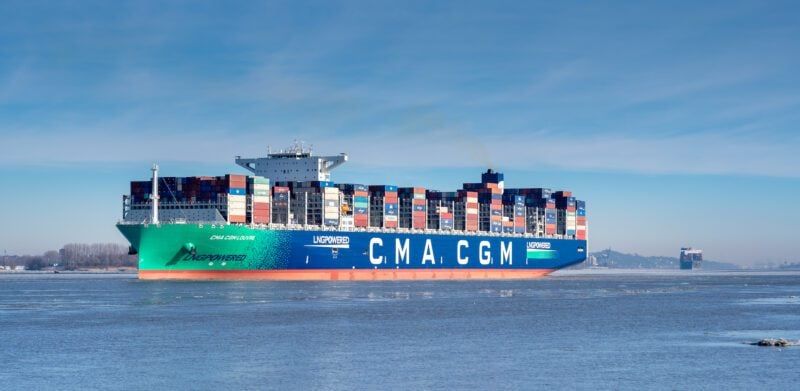
Alternative-fuelled vessel orders eased during the first half of 2026, but LNG continued to dominate newbuild activity as shipowners favored proven fuel technologies while keeping an eye on emerging alternatives.
According to the latest data from DNV's Alternative Fuels Insight (AFI) platform, shipowners placed orders for 137 alternative-fuelled vessels during the first six months of 2026, down from 155 orders during the same period last year.
June accounted for 15 new orders, including 10 LNG-fuelled vessels—nine car carriers and one CO2 carrier—and five LPG/ethane carriers. Shipowners also ordered two LNG bunker vessels during the month, bringing total LNG bunker vessel orders to seven so far this year.
LNG remained the dominant alternative fuel choice in 2026, accounting for 73 of the 137 vessel orders. Most of those were containerships (42) and car carriers (21), reflecting continued demand in sectors where LNG infrastructure is already well established.
Orders for LPG and ethane-fuelled vessels also gained momentum, with 55 orders recorded during the first half of the year, up sharply from 15 during the same period in 2025. The remaining orders included four ammonia-fuelled vessels, two methanol-fuelled vessels, two ethanol-fuelled vessels, and one hydrogen-fuelled vessel.
While new orders moderated, vessel deliveries continued to expand the global alternative-fuel fleet. During the first half of 2026, 61 LNG-fuelled vessels and 38 methanol-fuelled vessels entered service.
The period also saw a milestone for ammonia as Belgian gas shipping company Exmar took delivery of what it described as the world's first oceangoing dual-fuel ammonia vessel. Unlike earlier ammonia-powered demonstration projects, the vessel is intended for commercial operation, highlighting gradual progress toward broader adoption of ammonia as a marine fuel.
"What we can take away from the first half of 2026, in terms of the alternative-fuels orderbook, is that we have a market progressing at different speeds depending on segment economics, fuel availability, and the regulatory landscape," said Jason Stefanatos, Global Decarbonization Director at DNV Maritime.
"Shipowners and other stakeholders are pursuing different pathways based on their individual priorities and requirements."
Stefanatos said LNG continues to be the leading near-term fuel option, driven primarily by container shipping and car carriers, while stronger demand for LPG and ethane-fuelled vessels and continued activity in ammonia and ethanol demonstrate that the industry's decarbonization strategy remains far from settled.
The figures underscore a broader trend in shipping's energy transition: rather than converging on a single alternative fuel, owners continue to hedge their bets as regulatory requirements tighten and fuel availability, infrastructure, and economics evolve across different trades and vessel types.

