• 3 min de lectura
• 3 min de lectura
The U.S. National Science Foundation (NSF) has begun a major downsizing of one of the world's largest ocean observing networks, announcing plans to remove most of the in-water infrastructure associated with the Ocean Observatories Initiative (OOI) over the next 15 months.
Under the plan, NSF will phase out operations at the Endurance, Pioneer, Irminger Sea, and Station Papa arrays, ending a decade-long effort that has provided continuous real-time observations from some of the world's most strategically important ocean regions.
The decision marks a significant shift for the $386 million OOI program, which has served as a cornerstone of U.S. ocean science since becoming fully operational in 2016.
"The U.S. National Science Foundation has initiated descoping of the Ocean Observatories Initiative Major Facility," NSF said in a statement released this week.
The move comes amid sweeping proposed cuts to federal science spending under the Trump administration. The Trump administration's FY2026 budget request proposed cutting funding for the Ocean Observatories Initiative from approximately $39 million to $8 million—a reduction of nearly 80%—and identified the facility for decommissioning. Although Congress has not yet finalized FY2026 appropriations, NSF has already begun implementing a descoping plan that will remove in-water infrastructure from four of OOI's five observing arrays over the next 15 months.
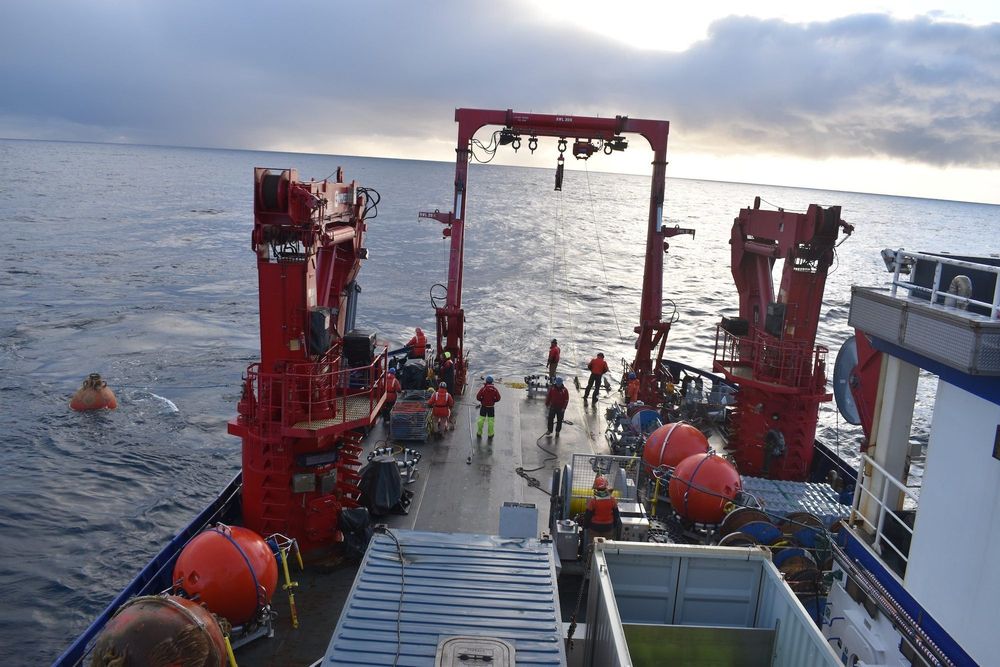
According to an update from OOI Principal Investigator Jim Edson of the Woods Hole Oceanographic Institution, the Endurance Array off the U.S. Pacific Northwest is already being dismantled, with final recovery operations scheduled for June 2026.
The Pioneer Array, located offshore of the U.S. East Coast, is expected to be recovered by June 2027. The Irminger Sea Array in the North Atlantic and the Station Papa Array in the Northeast Pacific are slated for recovery during the summer of 2027, subject to vessel availability and operational constraints.
As the equipment is removed, the real-time data streams and observing capabilities at those locations will cease.
One major component of the network will remain intact. NSF said the Regional Cabled Array, a subsea observatory connected by fiber-optic cable off the coast of Oregon, will continue operating "for the foreseeable future." The OOI Data Center, Program Management Office, and community engagement activities are expected to continue through September 30, 2028.
The Ocean Observatories Initiative was designed to provide continuous, long-term monitoring of physical, chemical, biological, and geological processes across the global ocean. Its network of moorings, autonomous vehicles, seabed instruments, and underwater communications systems has generated one of the largest publicly accessible ocean datasets in the world.
Researchers have used OOI observations to study climate variability, ocean circulation, marine ecosystems, extreme weather events, underwater volcanism, and emerging maritime hazards. The data have also supported educational programs and workforce development efforts across the ocean sciences community.
NSF said all previously collected data will remain available through the OOI Data Center and encouraged researchers to continue using the archive in scientific publications, grant proposals, and educational programs.
"We encourage the community to use the ten-plus years of OOI data by including it in proposals, publications, presentations, and conversations with colleagues," NSF said, noting that continued use of the dataset will help demonstrate the program's scientific impact and long-term value.
The announcement comes amid broader federal efforts to reduce spending and reassess major research infrastructure programs. NSF has not publicly detailed the budgetary factors behind the descoping decision.
For the oceanographic community, however, the move represents the end of an era for one of the most ambitious ocean observing systems ever deployed, shifting the program's focus from active observation toward preservation and analysis of its extensive scientific record.
Fuente: GCAPTAIN_NEWS