• 2 min de lectura
• 2 min de lectura
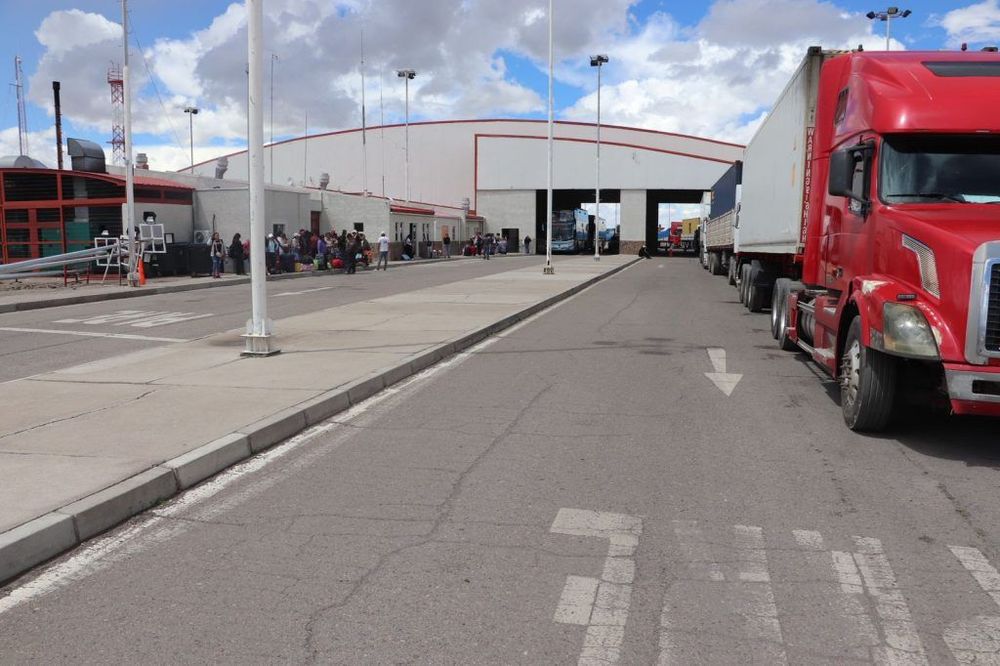
The Ministry of Foreign Affairs of Bolivia reported that it is carrying out diplomatic and coordination efforts with the authorities of the Republic of Chile with the aim of streamlining international transit at the Colchane–Pisiga Border Complex. The measure seeks to reduce the impacts currently affecting Bolivian transporters and the country's foreign trade due to delays recorded at said control point. According to official information provided by the Chilean Government, the temporary restrictions on the operation of this border crossing are due to the execution of maintenance, conservation, and improvement works on its physical infrastructure. "As part of these measures, and on a temporary basis, the complex modified its operating hours until November 30 of this year, establishing user entry until 8:00 PM, service for previously entered users until 12:00 AM, and the resumption of operations from 8:00 AM," communicated the Bolivian Foreign Ministry. "Aware of the impact this situation generates on international transport, the Bolivian Foreign Ministry has requested Chilean authorities to adopt measures to strengthen the operational capacity of the border complex, optimize control and dispatch processes, and reduce waiting times, especially in the current context of normalization of commercial flow after recent interruptions that affected the national road network," it added. In parallel to bilateral negotiations, the Bolivian Ministry of Foreign Affairs maintains permanent coordination with the Consulate General of Bolivia in Chile and with the various institutions of the Andean country that operate at the border to continuously monitor the status of routes and service times. "The Government of the Plurinational State of Bolivia reaffirms its commitment to continue promoting, through dialogue and bilateral cooperation, all necessary actions to safeguard the interests of Bolivian international transport, guarantee the continuity of foreign trade, and contribute to the normal functioning of one of the main integration corridors between both countries," the letter concluded. Bolivian foreign trade, interrupted by more than 50 days of blockades, continues to put pressure on the ports of northern Chile. This situation has forced Terminal Puerto Arica (TPA) to manage an extraordinary volume of accumulated cargo in its yards, while Iquique Terminal Internacional (ITI) had to open a temporary storage area in the old Marco Chilena facilities to streamline the flow of containers.