• 2 min de lectura
• 2 min de lectura
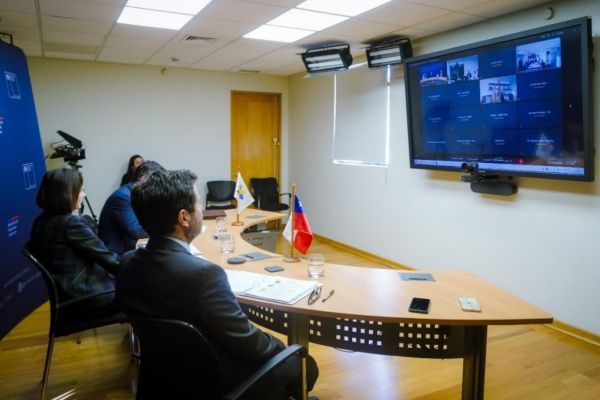
The IX Meeting of the Free Trade Commission (FTC) of the Pacific Alliance (PA), an instance that brings together the Vice Ministers of Commerce of Chile, Colombia, Mexico, and Peru, was held virtually. During the meeting, the Fourth Amending Protocol to the Additional Protocol to the Framework Agreement was approved, which incorporates chapters on MSMEs and Regional and Global Value Chains.
The objective of this measure is to promote the participation of small and medium-sized enterprises in the region's production linkages, thus consolidating a favorable environment for business and investment within the bloc.
The meeting was chaired by Mexico's Undersecretary of Foreign Trade, Luis Rosendo Gutiérrez, in his capacity as pro tempore president (PPT), and included the participation of Chile's Undersecretary of International Economic Relations, Paula Estévez; Colombia's Vice Minister of Commerce, Industry and Tourism (e), Sofia Cañón; and Peru's Vice Minister of Foreign Trade, César Llona.
"We aim to encourage Alliance companies to develop production linkages and, with this, improve their insertion into regional value chains. This is particularly important for small and medium-sized enterprises that are now in a position to make the leap towards internationalization," highlighted Undersecretary Estévez.
The authority added that incorporating these two chapters "reinforces the Alliance's commitment to integration that generates more opportunities for everyone."
Additionally, the vice ministers signed a Decision on the elimination of technical barriers to trade in cosmetic products, which will allow progress towards a common framework of regulatory aspects that facilitates intra-regional trade of these products, ensures a high level of health protection, and guarantees adequate consumer information.
Likewise, in the FTC, the importance of strengthening permanent dialogue with the Pacific Alliance Business Council (CEAP) was recognized as a strategic partner to incorporate the private sector's perspective into regional integration and promote initiatives that drive competitiveness, innovation, trade, and sustainable intra-regional investment.
Undersecretary Estévez noted that it is "fundamental to maintain a fluid and permanent dialogue with the private sector, not only to gather their proposals but also to ensure that our work responds to the needs and challenges faced by companies in our countries."
"The countries reaffirm their political and technical will to continue promoting cooperation initiatives that strengthen the resilience of supply chains, promote market diversification, and deepen regional integration for the benefit of productive sectors and citizens," states a communiqué signed by the participating countries.