• 2 min de lectura
• 2 min de lectura
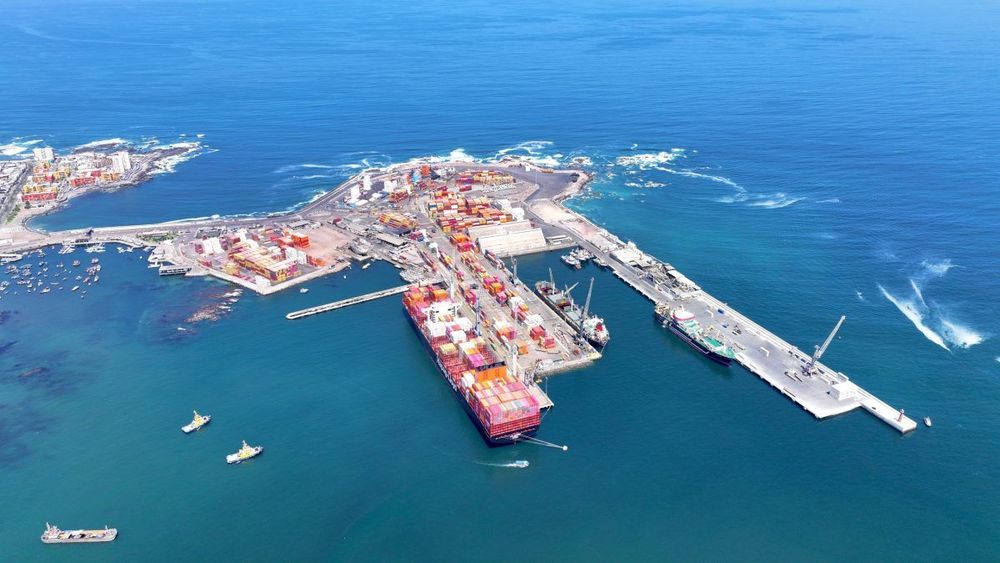
The Port of Iquique transferred 324,347 tons of cargo during May 2026, a volume mobilized through the handling of 34 vessels, according to data from the Iquique Port Company (EPI). This figure represented an increase of 4.72% compared to the same month in 2025, when 309,721 tons were registered.
In its breakdown, in the fifth month of the current year, 71,197 tons of cargo linked to export activity were moved, and 142,204 tons were related to import activity.
Considering the total tons handled in the analyzed period, 261,807 tons correspond to containers, 26,341 tons to break bulk cargo, and a total of 20,200 tons are linked to the unloading of automobiles.
During the reviewed period, no movement of liquid bulk was registered. However, 16,000 tons of cargo related to solid bulk activity were handled, being the only month so far this year with such activity.
Looking in more detail at containers, a total of 22,056 TEUs entered the Port of Iquique and another 18,827 TEUs exited, totaling 40,883 TEUs handled in May 2026.
Additionally, 712 full 20-foot containers entered the Chilean port during the reviewed period, and 551 departed. In the case of 40-foot boxes, the figures were 10,024 and 1,289, respectively.
Meanwhile, 544 empty 20-foot cargo containers entered the Port of Iquique and 58 exited. For their part, 376 empty 40-foot containers entered and 7,820 were removed.
In May 2026, the Port of Iquique moved a total of 81,071 tons of cargo linked to Bolivia, consolidating its role as a key logistical facilitator for the connectivity of the Andean Macro Region.
Of the total operated, 21,878 tons corresponded to Bolivian cargo shipped at the port facility, while the remaining 59,193 tons corresponded to goods unloaded destined for the landlocked country.
It is worth remembering that Iquique Terminal Internacional (ITI), thanks to the management of EPI and the National Customs Service, enabled a temporary primary zone in the former Marco Chilena facilities, intended for the storage and dispatch of containers originating from or destined for Bolivia.
This aims to better address the effects that the social contingency in Bolivia has had on the logistics chain, allowing for the streamlining of cargo reception and dispatch flows, in a context marked by restrictions on international routes and an increase in operational demand.
Source: Portal Portuario