• 3 min de lectura
• 3 min de lectura
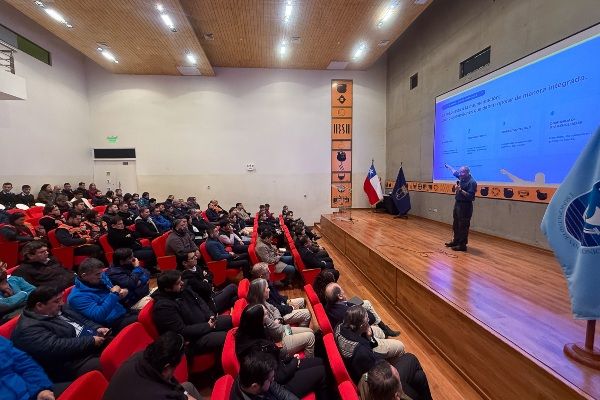
With a large gathering of authorities, specialists, and representatives from public and private organizations linked to the maritime and logistics sector, a new version of the Port Emergency Management Seminar was held in the Port of San Antonio, an initiative jointly organized by the Regional Committee for Education and Dissemination of Safety in Maritime Activities (Coredsamar), the Maritime Governorate, and the San Antonio Port Company.
The activity, held at the San Antonio Museum, aimed to strengthen preparation and coordination in the face of emergencies in the maritime-port sector, also promoting the exchange of experiences, risk analysis, and the dissemination of good practices among the different actors in the system.
The seminar included presentations by specialists Michel De L'Herbe, an expert in emergency management, and Claudio Luengo, a reference in hydrocarbon spill management, who addressed challenges and lessons learned to advance towards an increasingly safe and resilient maritime and port activity.
The Maritime Governor of San Antonio, Captain Sebastián Sepúlveda, highlighted that "this seminar allows us to reflect from the point of view of security and how it impacts the entire maritime-port community. It is a preventive and educational task, because what we seek is to anticipate risks and generate solutions that allow us to better face the different activities that take place in the port and its surroundings."
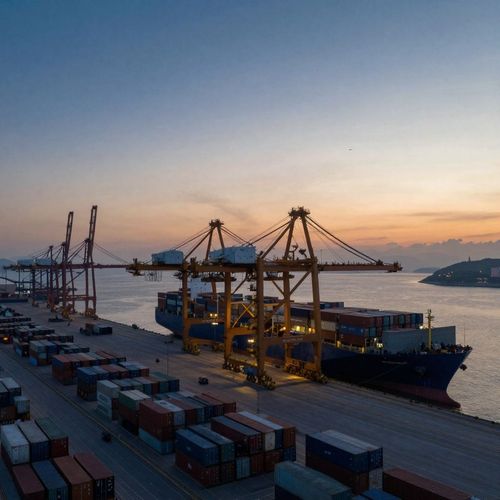
Omar Vera, Mayor of San Antonio, stressed that "this is the main port of Chile, where a large part of the country's import and export cargo is transferred, in close coexistence with an urban core like our city. Therefore, it is essential that institutions linked to port activity permanently prepare and strengthen their capacities to respond promptly to eventual emergencies and adequately control risk situations."
The Sustainability and Public Affairs Manager of Puerto San Antonio, Consuelo Cánaves, emphasized the importance of joint work. "Collaboration between the Maritime Governorate, the port terminals, and the port company is fundamental to prepare for emergency scenarios. Permanent coordination, planning, and training allow us to anticipate and react better, understanding that an effective response depends on the articulated work of all involved actors," she assured.
Meanwhile, the Presidential Delegate of the Province of San Antonio, Soledad Loyola, valued the activity, indicating that "this type of instance is very important because it strengthens the articulation between the public and private sectors, allowing the generation of capacities and the timely activation of the different services and institutions in the face of eventual risks or emergencies that may affect the province."
The Port Captain of San Antonio, Frigate Captain Roberto Ascencio, highlighted that "these seminars are fundamental because they allow establishing common bases of action among all involved organizations, favoring immediate and efficient coordination when a real emergency needs to be faced."
Michel De L'Herbe emphasized that "we must understand that ports constitute critical infrastructure for the country, and in San Antonio, this condition acquires even more relevance, considering both current operations and the future development of Puerto Exterior. In a global scenario marked by multiple threats and risks, the challenge is to be prepared to ensure operational continuity and ensure that, in the face of any interruption, activity can recover in the shortest possible time."
Coredsamar is an entity promoted by the General Directorate of the Maritime Territory and Merchant Marine (Directemar), through the maritime governorates. Its main objective is to carry out training activities, seminars, and educational sessions to promote safety, risk prevention, and occupational health in the maritime-port sector.