• 2 min de lectura
• 2 min de lectura
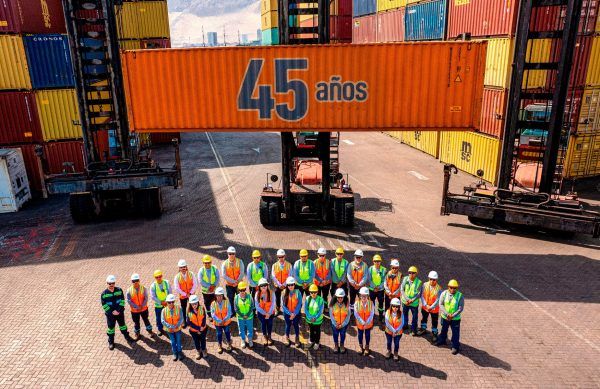
Sitrans is celebrating its 45th anniversary amidst a logistics industry that is undergoing a transformation driven by globalization, technological changes, new operational demands, and the need for more efficient and resilient supply chains.
The company began its operations in 1981, providing foreign trade-related services, until in the coming years it expanded its activities to include depots, cargo mobilization, and container warehousing.
According to Sitrans, this industry represents 4% of the national Gross Domestic Product (GDP), surpassing sectors such as agriculture-forestry and fishing (3.2%), and also electricity, gas, water, and waste management (2.3%). The same 4% is reflected in the workforce, a figure corresponding to the more than 250,000 workers employed in logistics within the country.
"Reaching 45 years is a significant achievement and, at the same time, a great responsibility. This trajectory challenges us to continue evolving and contributing to the development of a logistics industry that has changed profoundly. Today, our clients require much more than a cargo service provider: they need a strategic partner who understands their challenges, provides visibility into their operations, and is capable of developing safe, efficient solutions tailored to their needs," explained José Sáenz Poch, CEO of Sitrans.
According to the company, although a predominantly critical perception of the logistics landscape prevails today, in 2025 the country managed to consolidate itself as an excellent importer and exporter within the region, ranking fourth in America for its performance in trade facilitation, only behind the United States, Canada, and Costa Rica, according to the OECD.
In this context, the efforts of logistics companies are aimed at achieving greater efficiency and competitiveness, demonstrating the ability to adapt, anticipate the needs of major operators, and develop comprehensive solutions for different productive sectors.
"To respond to new demands, we have strengthened our processes and incorporated technologies that improve monitoring and decision-making, relying on artificial intelligence solutions and new training models that contribute to the development of modern, efficient, and secure logistics. Today we have eight terminals between Arica and Puerto Montt, a network that combines experience, infrastructure, and technology to manage loads of varying complexity, ensure operational continuity, and provide greater traceability and visibility to our clients," highlighted the CEO of Sitrans.
For the coming years, the company assured that it aims to continue deepening digital transformation, optimizing processes, and renewing its commitment to keep advancing towards safer, more efficient, and sustainable logistics.