• 2 min de lectura
• 2 min de lectura
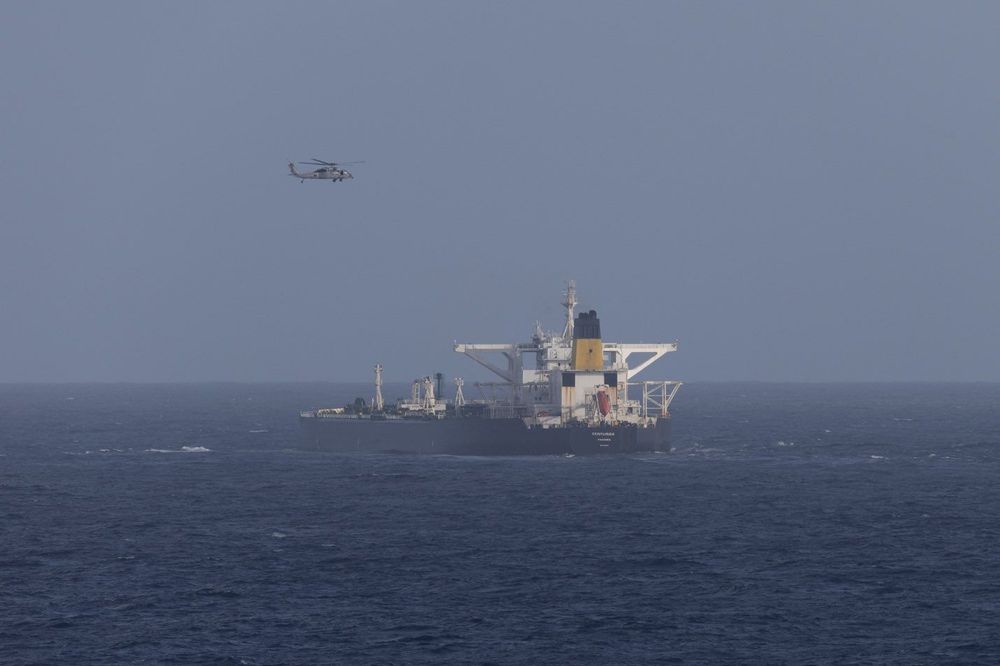
Dubai-based ship recycling company GMS has obtained approval from the United States Government to dismantle two sanctioned tankers it had acquired.
The move comes months after closing deals to recycle four container ships subject to the same restrictions, the company informed Reuters.
The use of tankers from the so-called "shadow fleet" has soared in recent years, a period during which hundreds of tankers have transported Iranian or Russian oil with minimal controls, insurance, or safety inspections.
Major shipowners have called for accelerating the scrapping of these vessels, warning that they represent a significant safety and environmental risk.
GMS, which acquires vessels for recycling in regulated shipyards (mainly in Asia), received licenses from the US Government on August 8 to operate two tankers, according to its Chief Operating Officer, Yogesh Rehani.
"GMS conducted the transaction with the US Government, and no payment was made to the previous sanctioned owners. The vessels are now destined for responsible recycling," Rehani stated, without offering details on the price paid.
"A seized tanker cannot remain indefinitely under state custody without incurring costs or operational risks. Delaying its scrapping not only increases expenses but also reduces the vessel's value day by day, a burden that falls directly on taxpayers," he added.
The United States "is committed to responsible solutions for removing sanctioned vessels from circulation," a spokesperson for the US Treasury Department declared, adding that such cases are evaluated individually.
The two vessels are the Marinera and the Galileo, according to GMS. US authorities seized the Marinera – a Russian-flagged vessel previously named Bella 1 – in January 2026 as part of measures taken then to restrict Venezuelan oil exports.
The Galileo, previously known as Veronica, was also seized in January during US operations against the Venezuelan regime.
"Seizing a vessel solves the immediate law enforcement problem, but the physical ship still needs to be managed. It requires security, crew, maintenance, maritime services, and ultimately, a final destination," Rehani noted.
"GMS's role is simply to execute such scrapping responsibly when US authorities determine that recycling is the appropriate way to remove offenders from the system and prevent their re-entry into illicit trade," he elaborated.
Earlier this year, GMS told Reuters it had obtained US approval to scrap four container ships subject to Iran-related sanctions.