• 2 min de lectura
• 2 min de lectura
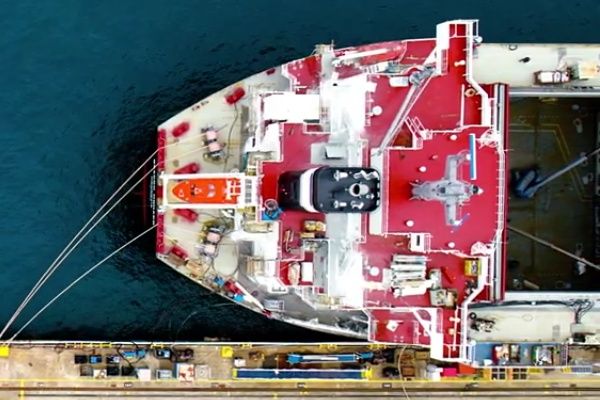
Supporting the transition to alternative fuels with a Japanese-made LFSS, Tsuneishi Solutions Tokyobay (T-Sol) delivered the first low-flashpoint fuel supply system (methanol) (LFSS) for medium and low-speed diesel engines.
The LFSS received preliminary approval (AiP) from ClassNK in April 2024. This LFSS is the first unit of T-Sol's proprietary, internally developed system and will be installed on a Kamsarmax bulk carrier, marking its first application on a real vessel after classification society approval.
An LFSS is designed to safely and reliably supply alternative fuels with low flashpoints, such as methanol, to a vessel's main engine. The LFSS supplied by T-Sol has been specifically developed for medium and low-speed diesel engines and features a simple and compact design in terms of its main components, dimensions, and weight.
The system is equipped with key components manufactured by Japanese suppliers, allowing for instruction manuals to be provided in Japanese and quick, flexible responses to customer inquiries.
Since the LFSS is assembled in Japan, customers adopting the T-Sol format do not need to conduct factory acceptance tests (FAT) in other countries or hire engineers from foreign equipment manufacturers to travel to Japan, which helps reduce both costs and operational burdens. The company also provides on-site technical assistance during commissioning and testing.
With the tightening and introduction of environmental regulations, marine fuels are entering a period of transition, moving from heavy fuel oil to alternative fuels, including methanol. This transition requires new knowledge and considerable time for technical evaluation, placing a greater burden on customers. Thanks to the expertise of its engineers, T-Sol offers comprehensive support during each customer's transition to alternative fuels.
Following the delivery of its first LFSS system, T-Sol will continue to work to ensure a stable supply of similar units while driving research and development of technologies that contribute to the reduction of greenhouse gas (GHG) emissions, including engineering solutions for other alternative fuels.
Through these initiatives, Tsuneishi Solutions Tokyobay seeks to contribute to the advancement of the maritime industry in Japan and abroad, while supporting the achievement of carbon neutrality by 2050.