• 3 min de lectura
• 3 min de lectura
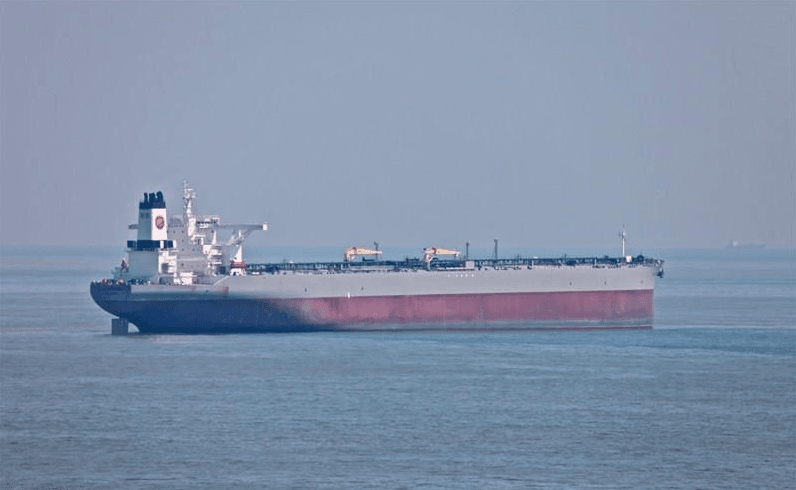
Abu Dhabi National Oil Company (Adnoc) acquired five Very Large Crude Carriers (VLCCs) for approximately $590 million, according to three sources close to the operation. The purchase aims to expand its fleet in a context where conflicts in the Red Sea and the Strait of Hormuz are reducing the supply of tanker vessels.
These acquisitions are part of a broader strategy by the Emirati oil company to gain greater control over its supply chain. This will allow it to transport crude to its customers even if geopolitical tensions disrupt two of the world's busiest maritime routes.
Adnoc Logistics and Services (Adnoc L&S) recently acquired the five supertankers from shipping company Frontline Plc, according to Reuters sources.
Of these vessels, two were launched in 2012 and purchased for about $115 million each, while three built in 2015 cost approximately $120 million per unit, according to the informants.
"We do not comment on market rumors or speculation. Adnoc L&S continuously reviews its fleet requirements and strategic growth opportunities," the company said in an email statement to Reuters.
"As per corporate policy, any announcement regarding potential transactions is made in accordance with the company's internal governance processes and applicable disclosure obligations," it added.
While producers like Iraq, Qatar, and Kuwait face difficulties in bringing their oil to market due to setbacks arising from the war in the Middle East, the United Arab Emirates - a former OPEC member - has sold millions of barrels to refineries through direct sales and spot tenders.
Adnoc also acquired three Very Large Gas Carriers (VLGCs) for about $115 million each, one of the sources revealed.
Furthermore, Adnoc L&S has commissioned various shipyards to build between 25 and 30 new vessels, including crude oil tankers and methane carriers for liquefied natural gas (LNG) and liquefied petroleum gas (LPG), the same source added.
Adnoc L&S operates more than 900 vessels, including seven VLGCs and eight supertankers (VLCCs), according to a fact sheet published on its website.
The investment in new vessels comes after months of disruptions to maritime traffic through the Red Sea and the Strait of Hormuz.
Aside from expanding its own fleet, the company also chartered about 25 crude oil tankers belonging to the South Korean shipping company Sinokor following the escalation of the regional crisis, the source added.
About 15 of these vessels were deployed as shuttles to transport crude from facilities inside the Strait of Hormuz to storage terminals in Fujairah and Oman, while the remaining vessels supplied customers directly, the source concluded.