


In safeguarding Argentine aquaculture, and given the absence of specific regulations, the National Agri-Food Health and Quality Service (SENASA) approved the minimum biosecurity conditions and good aquaculture practices that commercial fish production establishments for consumption must comply with throughout the national territory. This will allow the activity to develop and open up markets.
Through Resolution N.° 793/2026, published in the Official Gazette, the national agency regulated the main requirements for commercial fish farming establishments, including both those located on land and those located in continental water bodies (rivers, lakes, and reservoirs) or maritime areas, including breeding establishments (reproduction, incubation, fry rearing) and fattening.
Under this new regulation, all fish farming establishments covered by it must register in the National Sanitary Registry of Agricultural Producers (RENSPA), comply with current animal welfare requirements, and have an Accredited Aquaculture Technician. To this end, starting in October, SENASA will enable the corresponding accreditation course in its Virtual Classroom for external users.
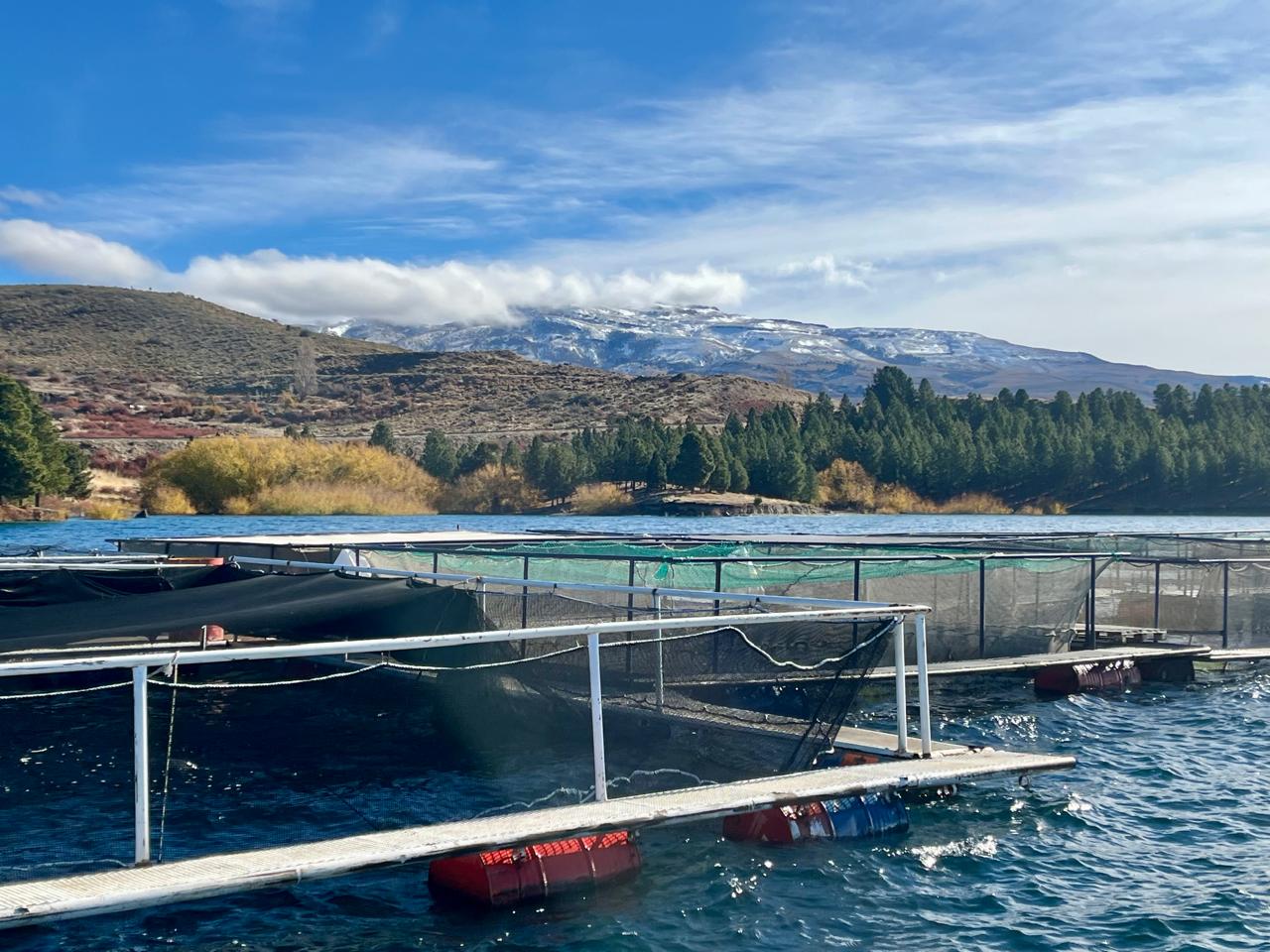
Furthermore, the regulation establishes minimum infrastructure requirements related to biosecurity, which vary according to the productive environment. It covers both land-based establishments —with requirements for area delimitation, signage, and sanitary barriers at access points— and those located in continental or maritime water bodies, for which it adds specific requirements for floating cages.
Regarding the main requirements to guarantee biosecurity and GAP conditions, access controls, water management protocols, quarantine for newly introduced batches, periodic cleaning and disinfection of facilities and equipment, safe mortality management, and notification of suspected diseases must be implemented, among other measures.
Each establishment must also have a Biosecurity Manual and an Aquaculture Good Practices Manual, detailing prevention measures, cleaning and disinfection protocols, and sanitary management and animal welfare actions. Likewise, it will be necessary to have a Contingency Manual to act in the event of high mortality or suspicion of diseases of mandatory notification, and to keep an auditable documentary record of all these actions.
Considering the heterogeneity of the sector, the regulation proposes a phased implementation and adaptation process. The regulation will come into force 180 calendar days after its publication; from that moment, establishment owners will have 90 days to submit a compliance report to SENASA. In cases of partial compliance, it must be accompanied by an adaptation plan, which will have a period of 24 months to complete the pending requirements.
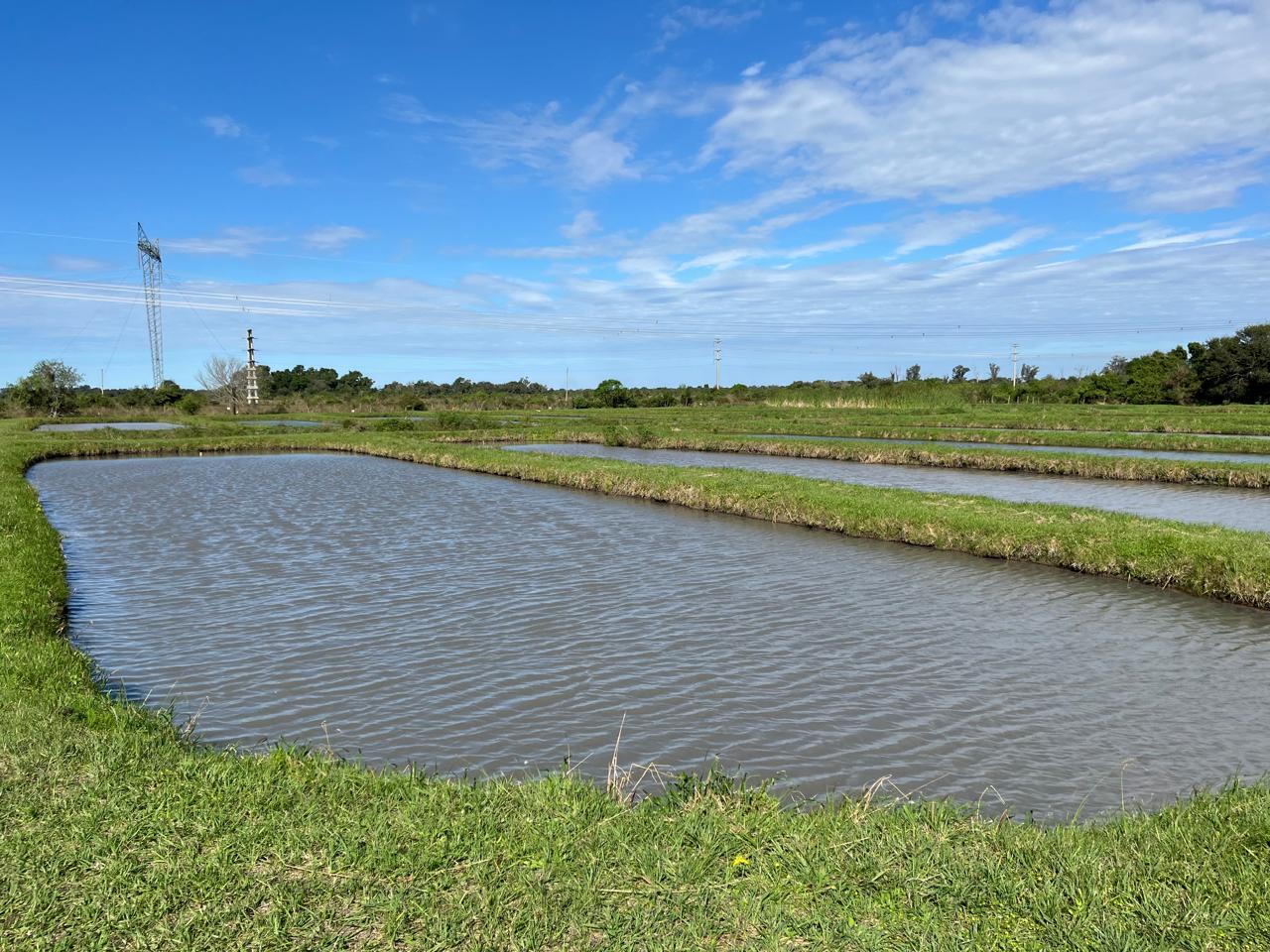
This measure constitutes the first regulation that specifically governs the activity and seeks to promote management measures that support its growth, improve the traceability of fish and reproductive material, protect the national zoosanitary heritage, and mitigate the risk of disease introduction.
It also aims to maintain the self-declared disease-free status for salmonids in the northern Patagonia region, ensure food safety, and promote the sustainable production of quality goods for the domestic and export markets, in line with the recommendations established by the Aquatic Animal Health Code of the World Organisation for Animal Health (OIE).

