


The National Agri-Food Health and Quality Service (SENASA) co-organizes and participates in the International Drone Congress which will take place from September 23 to 25 at the Rural Society of Tucumán grounds, aiming to become the reference space for the RPA (Robotic Process Automation) ecosystem in Argentina.
With the slogan “Convergence in flight for sustainable development,” the international event aims to promote knowledge transfer and the training of specialized talents; facilitate links between science, industry, the State, and the private sector; boost the use of Artificial Intelligence (AI) and the Internet of Things (IoT) in the RPA ecosystem; disseminate the current state of regulations for remotely piloted aircraft aligned with global standards; and contribute to the responsible use of unmanned aerial technologies.
Within the framework of the established program, on Thursday, September 24, the director of Agrochemicals and Biologics at SENASA, Marcelo Sánchez, will be part of the debate panel: “Smart regulation for the agriculture of the future,” alongside provincial government agricultural secretaries.
Additionally, national and international specialists, companies, public organizations, researchers, universities, producers, and professionals who drive the development of remotely piloted aircraft will present. Key figures include: the Rural Society of Tucumán, the National Institute of Agricultural Technology (INTA), a private company, and the precision agriculture specialist, agronomist Carlos Bermúdez.
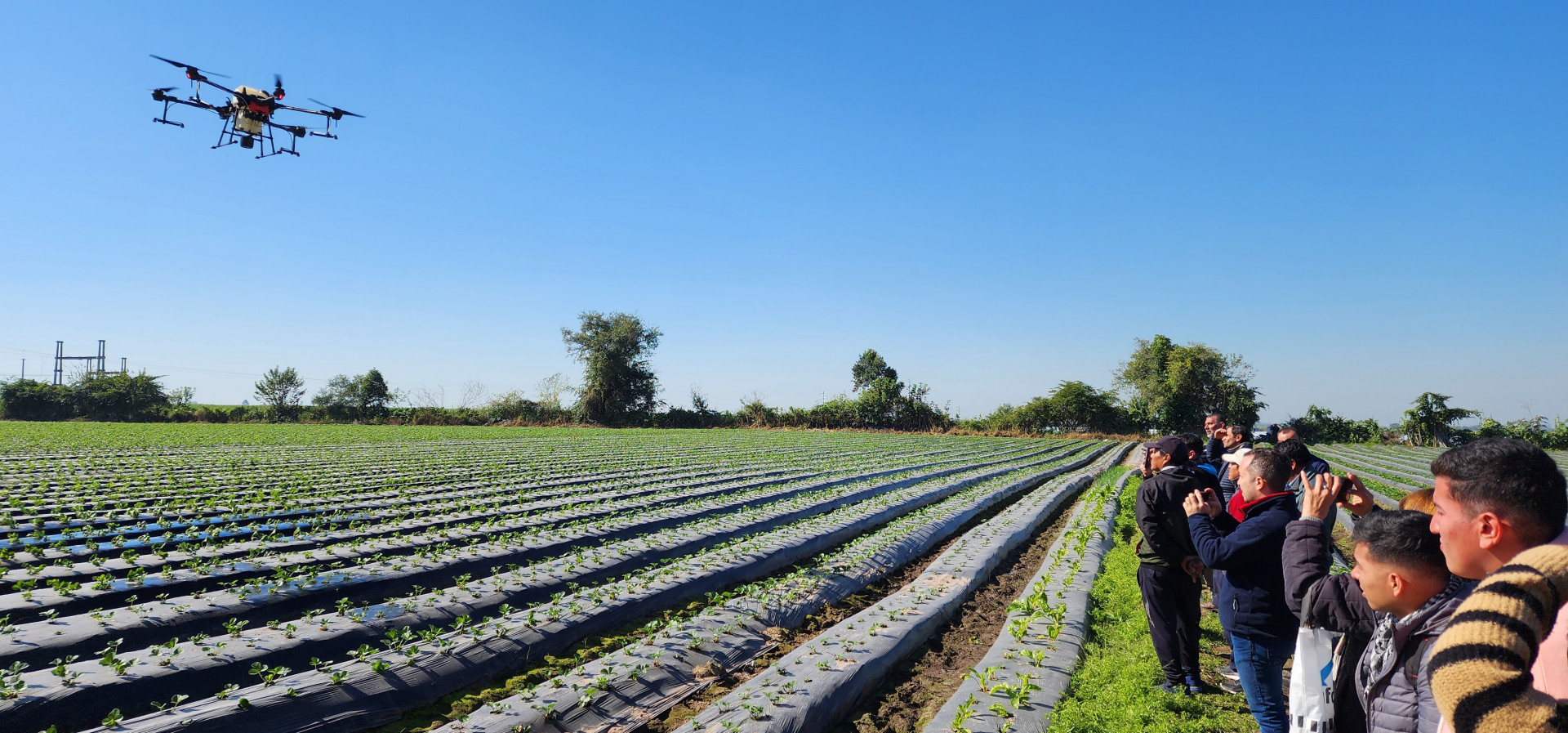
The use of drones for sanitary surveillance and the conviction that the future of animal and plant health is intimately linked to the incorporation of technology and innovation underpin SENASA's active participation in this Congress.
In this regard, the SENASA NOA Sur Regional Center, following the national guidelines of the Organization and the need to facilitate national productive development, understands that drones and robotic process automation are no longer tools of tomorrow, but realities of the present that transform precision agriculture and optimize supervisory control in the territory.
Those who wish to consult more information can visit the Congress website.

