

In safeguarding agricultural production and public health, the National Agri-Food Health and Quality Service (SENASA) interdicted a shipment of over 27 tons of fruits and vegetables that was being transported with irregularities in its documentation and origin traceability.
At the Villa Olivari Control Post, located on National Route N° 12, in the Corrientes department of Ituzaingó, agents from the SENASA Corrientes-Misiones Regional Center, while inspecting a transport coming from Oberá, Misiones, destined for Perico, Jujuy, found inconsistencies in the declared National Sanitary Registry of Agricultural Producers (RENSPA), differences between the declared origin and the one identified on the merchandise, and products that lacked the sanitary documentation required for their transport.

Among the irregularities detected, approximately 7,200 kilograms of mangoes were identified with labels indicating Brazilian origin, although the documentation stated them as products of national origin; the transport of avocado crates without the corresponding electronic Vegetable Transit Document (DTV-e). The shipment also included 20,000 kilograms of kabutiá squash.
Given the impossibility of reliably proving the origin and traceability of the products, SENASA ordered the preventive interdiction of the merchandise and the corresponding records were drawn up.
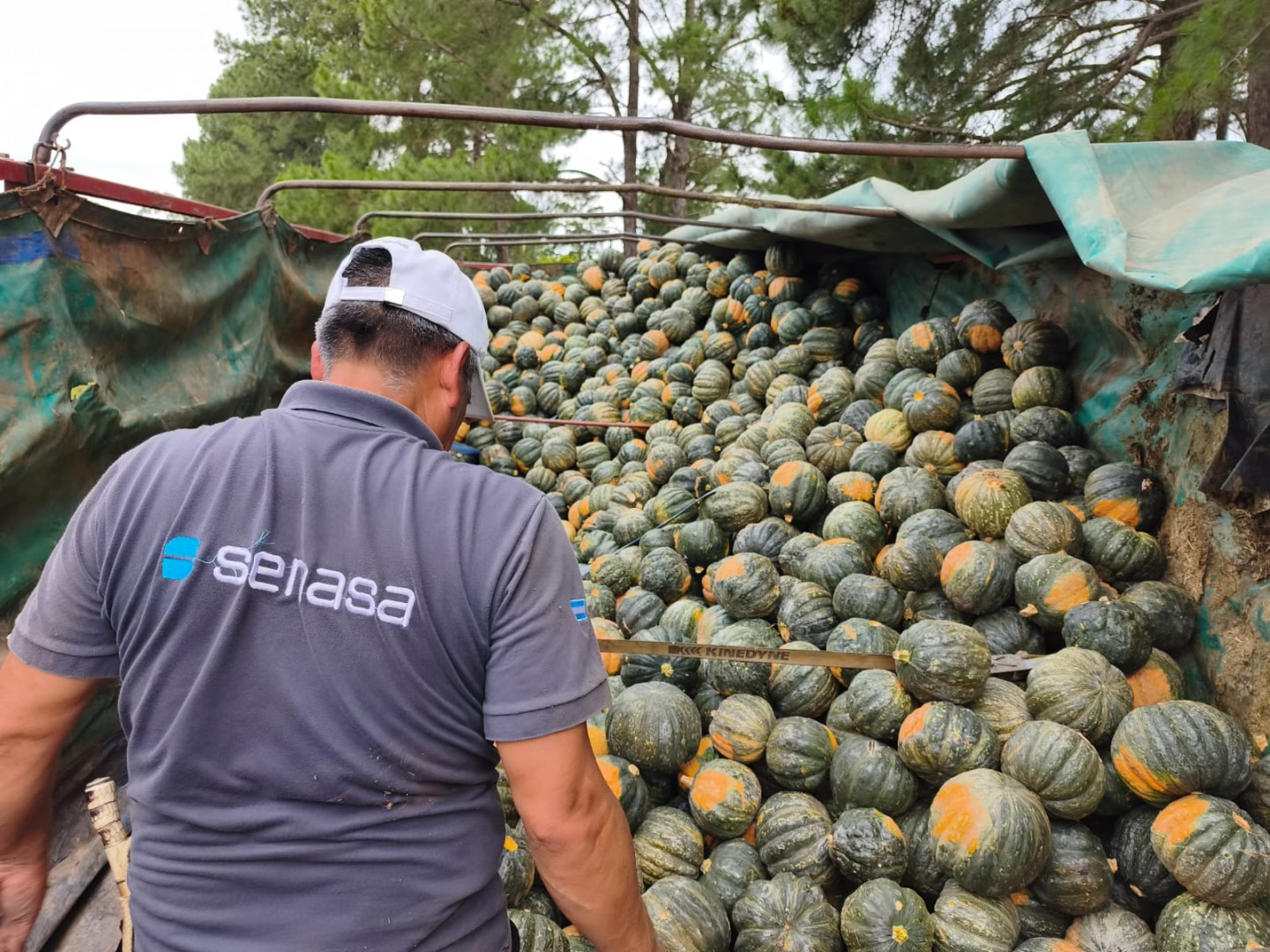
Through these controls, SENASA protects people's health, safeguards the country's phytosanitary condition, guarantees the traceability of plant products, and contributes to food safety.


