


Under the coordination of the National Agri-Food Health and Quality Service (SENASA), the Inter-institutional Technical Commission (CTI) of the National Huanglongbing (HLB) Prevention Program analyzed the program's update with an approach based on the sanitary risk of each region and a draft resolution that unifies seven current regulations on the disease and its vector, Diaphorina citri.
During the day, the effectiveness and achievements of the national program were highlighted, as well as the need to continue strengthening it with the update of the regulatory framework to the current productive and commercial reality, incorporating accumulated experience and a risk-based approach, without losing the rigor of the necessary phytosanitary measures to protect Argentine citrus farming.
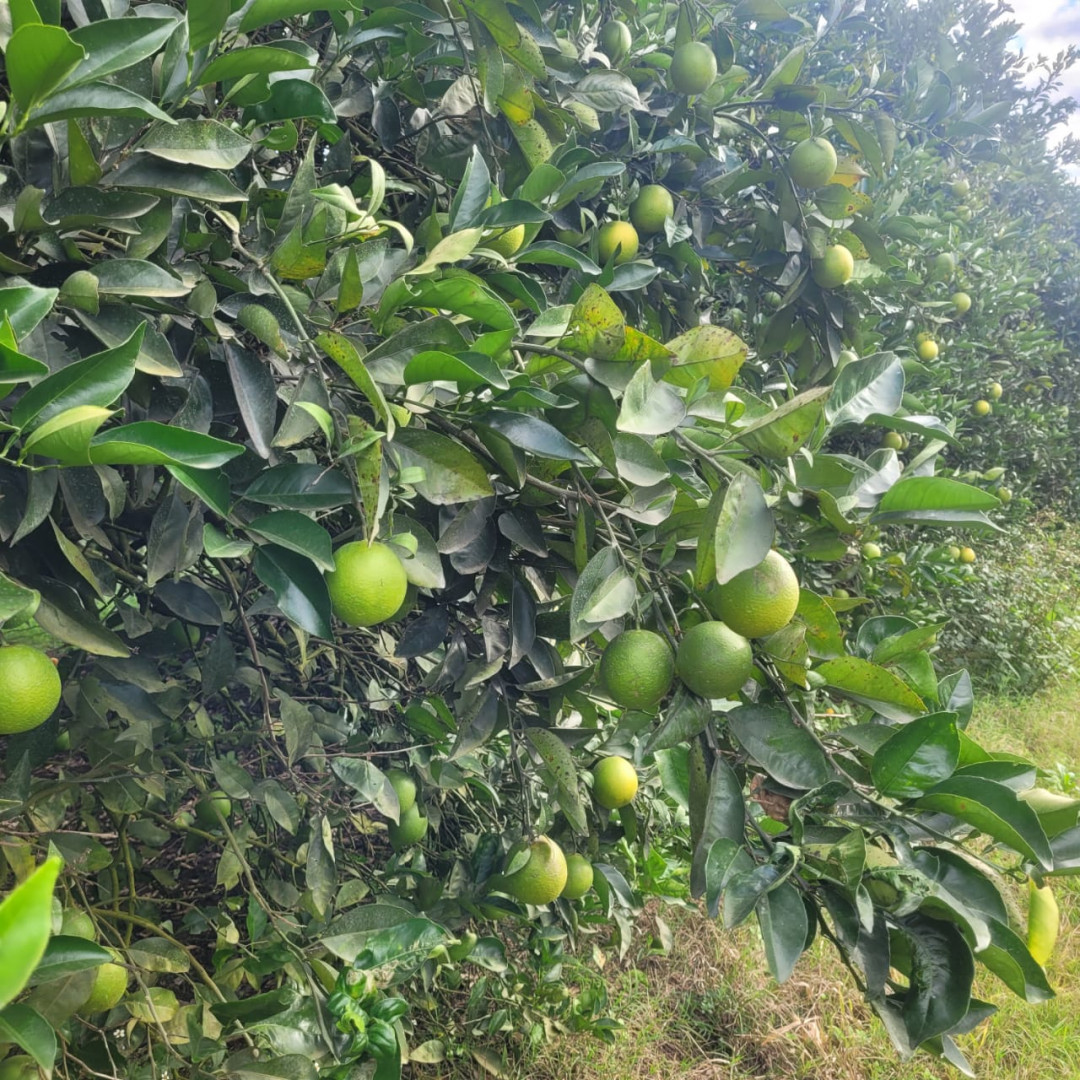
The project redefines area categories according to disease detection and vector distribution, adjusts measures for the movement of citrus fruit and citrus plant propagation material, and updates the Contingency Plan that is executed upon disease detection in a free area.
The meeting also reviewed the complete articles and their annexes, with debate spaces by topic. The jurisdictions committed to sending proposals on some critical points that require work with other relevant actors in the region.
The meeting, led by SENASA, was attended by representatives of the National Program Coordination and the Metropolitano, NOA Norte, NOA Sur, Corrientes-Misiones, Entre Ríos, Santa Fe, and Buenos Aires Norte regional centers; the national institutes of Agricultural Technology (INTA) and Seeds (INASE); the Obispo Colombres Agroindustrial Experimental Station (EEAOC); the Faculty of Agronomy of the UBA, the Institute of Physiology, Molecular Biology and Neurosciences (IFIBYNE-CONICET-UBA); and the Faculty of Agrarian and Forestry Sciences of the National University of La Plata. Also present were representatives from the provinces of Tucumán, Salta, Corrientes, Entre Ríos, and Buenos Aires, and from productive sector entities: the federations Argentina del Citrus (Federcitrus), del Citrus de Entre Ríos (FECIER) and the Phytosanitary Association of NOA (AFINOA).
Argentina's experience in HLB prevention and management is recognized as a success story compared to the evolution of the disease in other countries on the continent.
This result is linked to the anticipation and prevention measures adopted since the beginning of the national program, as well as the commitment and sustained articulation between the different public organizations and the productive sector.
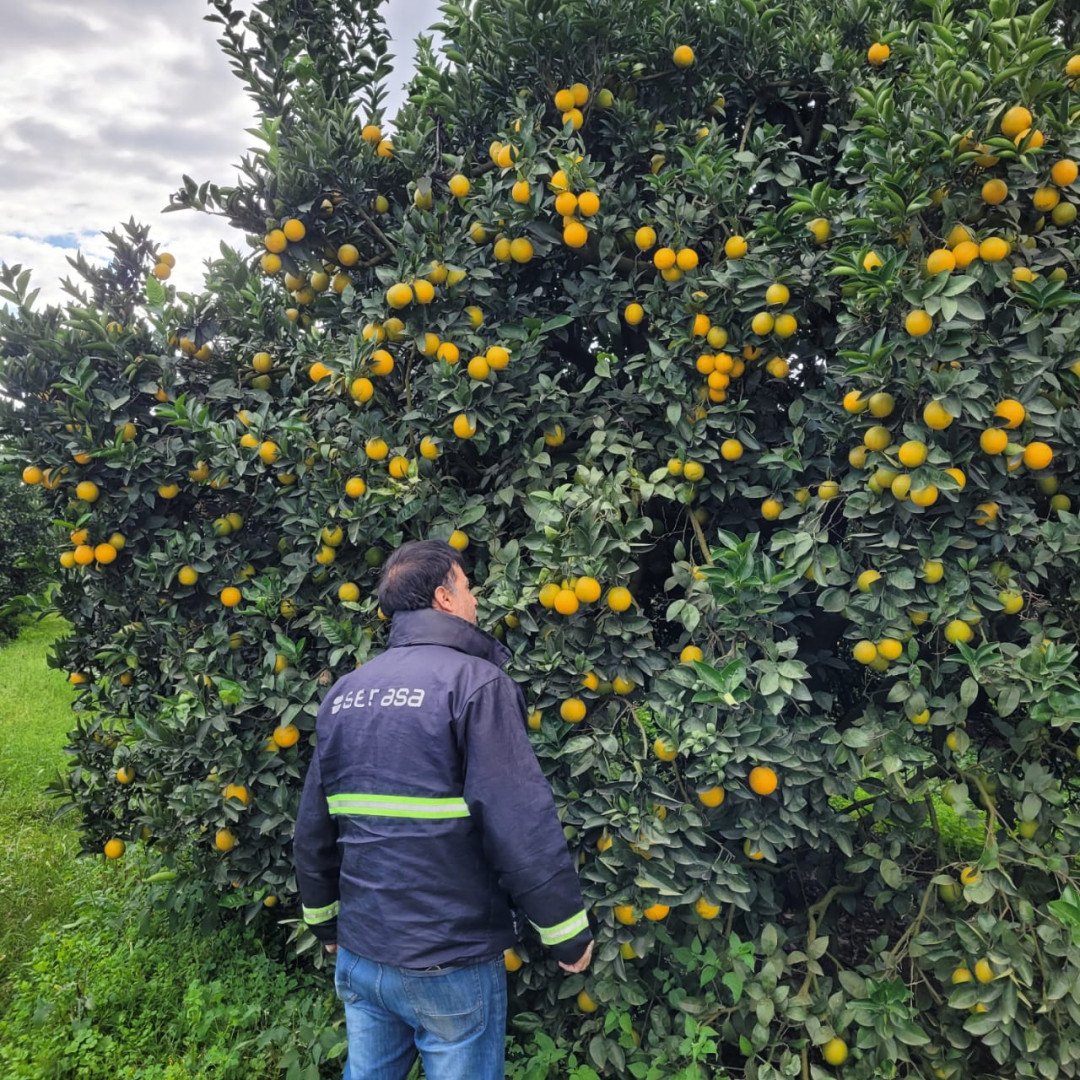
It is the most destructive citrus disease worldwide. The joint work within the framework of the CTI seeks to protect the country's citrus production with measures proportional to the sanitary risk of each region, which facilitate trade and the sustainability of regional economies.

