Published on 19.nov.2026 - 16:45
Interventions total an investment of R$ 99.1 million and do not affect channel navigation
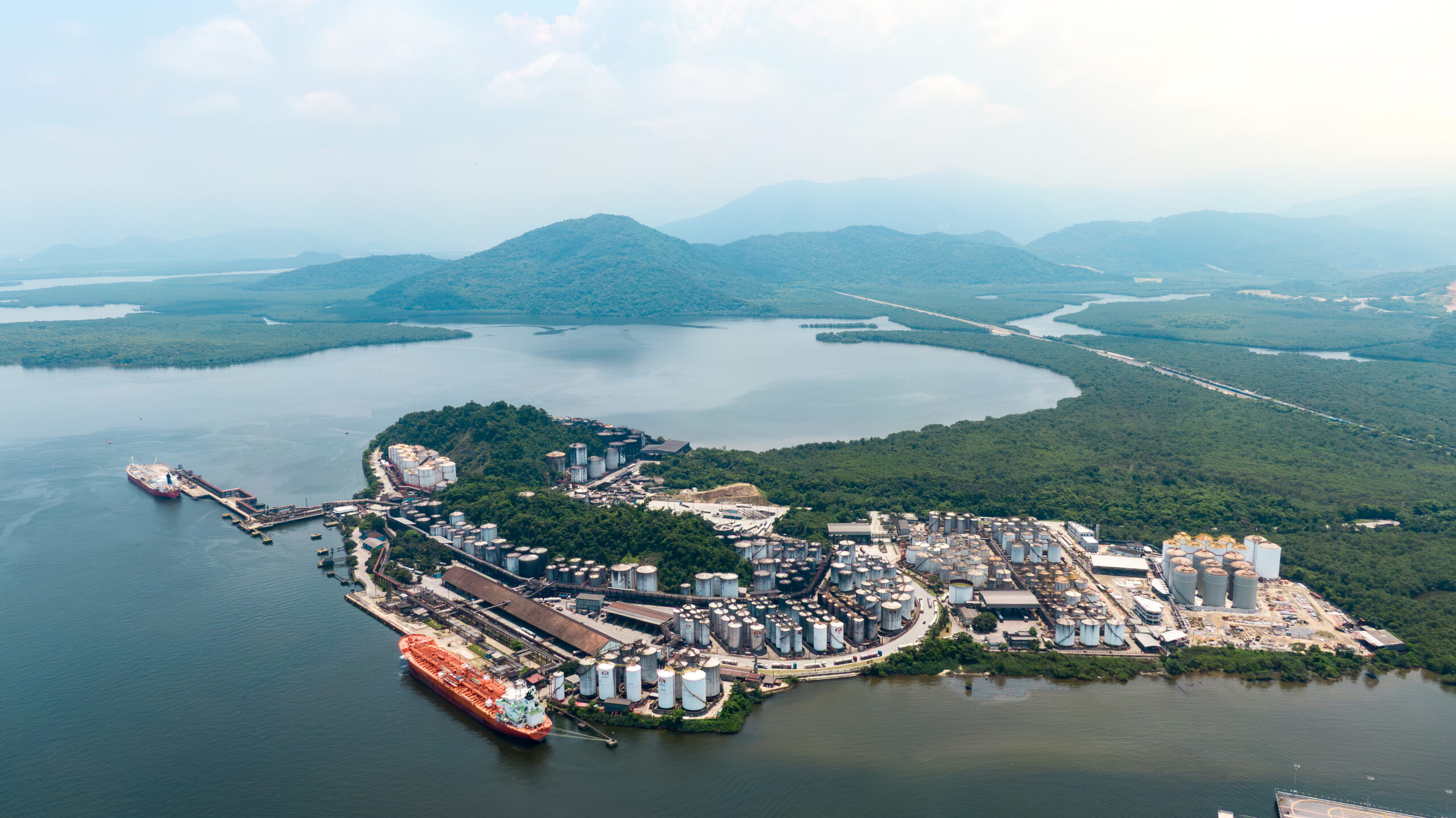
The Port Authority of Santos (APS) has begun mobilizing for the recovery and structural reinforcement works on the Ilha Barnabé pier, on the left bank of the Santos estuary. Executed by the IBSA Consortium, the project involves an investment of R$ 99.1 million and a 21-month timeframe.
The Service Order was issued on October 23, authorizing the implementation of the construction site. The completion of the preparatory phase and the effective start of interventions at Cais São Paulo are scheduled for early 2027.
Engineering fronts include the reinforcement of the pier structure, the recovery of soil containment, and the replacement of fenders, equipment that cushions the contact of ships with the berth during docking.
The scope also covers the construction of a new mooring dolphin and the installation of oil retention and environmental protection systems. The works will not interfere with channel navigation. Services will be concentrated on the Ilha Barnabé pier, with temporary restrictions only in the work areas.
Ilha Barnabé concentrates liquid bulk fuel and chemical operations in the Port of Santos, bringing together terminals that, along with others in the segment, handled approximately 16.3 million tons in 2025. With the restructuring, APS seeks to preserve the existing infrastructure, extend the useful life of the pier, and ensure better operational conditions for vessels using the facility.
Environmental monitoring
According to the Brazilian Institute of Environment and Renewable Natural Resources (Ibama), the recovery and structural reinforcement works on the Ilha Barnabé pier were characterized as an activity not subject to environmental licensing.
Even though exempt from licensing, the execution will follow strict protocols to prevent, mitigate, monitor, and control potential impacts. The plan involves risk management and emergency response, environmental quality monitoring, aquatic life monitoring, sediment control, and communication with surrounding communities.