• 2 min de lectura
• 2 min de lectura
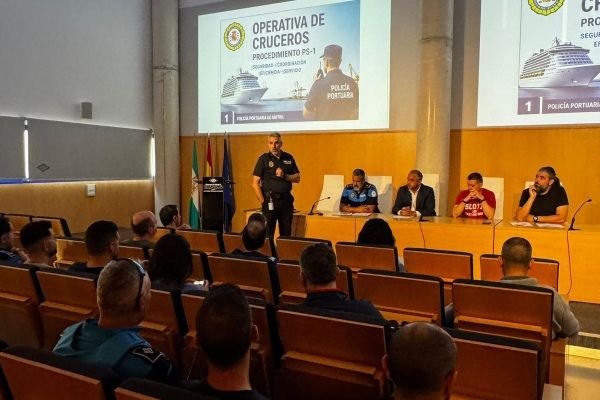
The Port of Motril has launched a specific action protocol for cruise ship operations, with the aim of guaranteeing the security of facilities, access control, and the correct development of operations during what is shaping up to be a historic season, with over 125,000 passengers expected and 71 calls.
Titled "Port Police Action in Cruise Ship Operations Guaranteeing Facility Security, Access Control, and Normal Operational Development," this procedure was developed by the Port Police itself with the purpose of unifying intervention criteria among the agents participating in the operation.
The initiative responds to the significant growth in traffic from these vessels, making it necessary to strengthen the planning and coordination of the services involved. The protocol establishes clear guidelines to safeguard passenger safety, protect port facilities, and efficiently manage the influx of traffic associated with these operations, such as buses, taxis, and other tourist services.
The Port Police emphasizes that this document allows them to "work in the same line, with homogeneous criteria, to offer a quality service and ensure that operational security is adequate at all times," in line with the Port Authority's commitment to the segment.
The written protocol covers key aspects such as the control and organization of access to the port area, coordination in the arrival and departure of passengers, management of tourist transport traffic and auxiliary services, security measures in operational and transit areas, and coordinated action by agents in different scenarios.
This action is part of the Port of Motril's strategy to consolidate the growth of cruise tourism, a sector that continues to gain importance and has a direct impact on the local and provincial economy. With an estimated average expenditure of about USD 100 per passenger, the activity could generate over USD 12 million in direct impact, a figure that could exceed USD 20 million when including indirect and induced effects in sectors such as hospitality, trade, transport, and tourist services.
This activity also contributes to job creation and the deseasonalization of tourism, extending economic benefits throughout the year.
Source: portalportuario