• 3 min de lectura
• 3 min de lectura
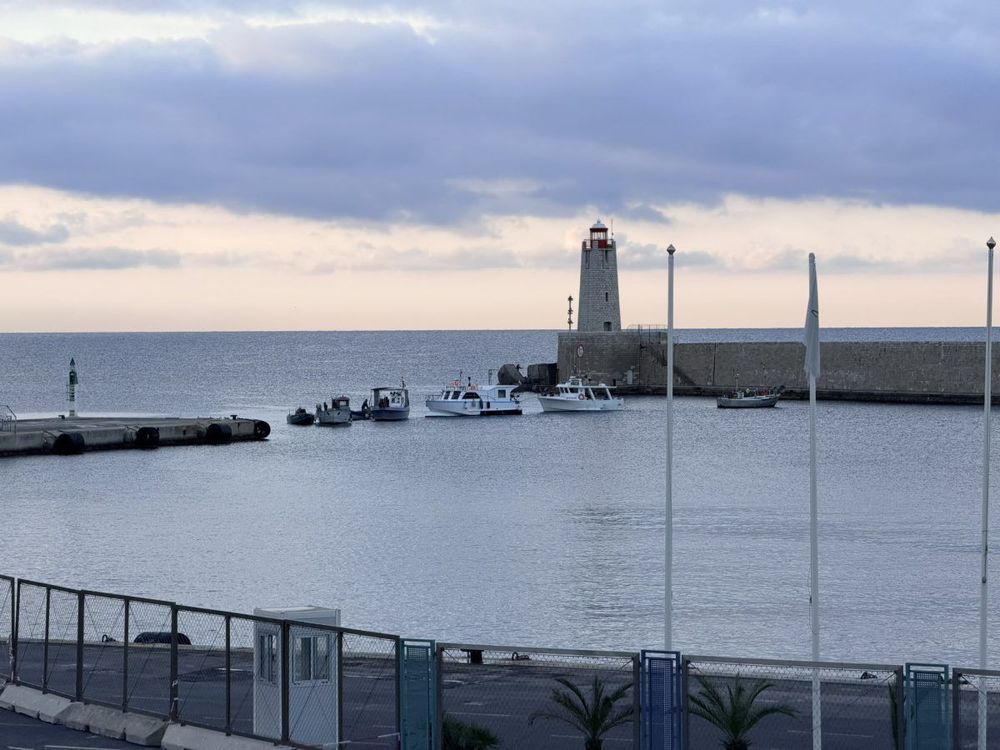
Fishermen in southern France carried out blockades of access to local ports in protest over high energy costs. The measure intensifies pressure on a government rushing to finalize a 2027 budget focused on deficit reduction, on the eve of next year's presidential elections.
This action adds to the wave of protests sweeping the country this week, following strikes on Tuesday, September 15, in sectors ranging from energy to security forces, with demands centered on wages and fuel.
Fishermen blocked the Port of Nice and several smaller cities on Thursday the 17th, in a third consecutive day of demonstrations over the high cost of fuel along the Mediterranean coast.
The Mayor of Nice, Eric Ciotti, leader of a party allied with the far-right National Rally (RN), recently visited the port area to offer his support. "I understand your indignation," he stated.
Under increasing pressure, Prime Minister Sébastien Lecornu on Wednesday the 16th extended emergency fuel subsidies for the agricultural, fishing, and construction sectors until the end of the year.
For his part, President Emmanuel Macron called an extraordinary meeting for Friday the 18th with political party leaders to address the situation in the Middle East and Ukraine, as well as its repercussions on energy markets.
The energy price crisis complicates the government's task of finalizing the 2027 budget, which must be presented by the end of the month to a deeply divided French Parliament.
All of this occurs amidst a bond market sell-off that has pushed France's borrowing costs to their highest level since 2008.
Economy Minister Roland Lescure acknowledged last Friday that the impact of the crisis in the Middle East would prevent the achievement of this year's fiscal deficit target, leading the Executive to desperately try to articulate spending cuts that the opposition can accept.
Throughout Thursday and Friday, ministers held consultations with most parties to draft a budget bill with a likelihood of being approved in the Chamber, where Prime Minister Sébastien Lecornu's two predecessors fell due to previous budgets.
However, socialist lawmakers have ruled out offering their support (as they did with the 2026 budgets), which could leave the future of the 2027 public accounts in the hands of the National Rally (RN). Its leader, Marine Le Pen, is polling as the favorite for the two-round presidential elections to be held between April and May next year.
Le Pen declared on Wednesday that the National Rally (RN) – the party with the largest representation in the Lower House, though without an absolute majority – will vote against the budget if it includes plans being considered not to revalue pensions in line with inflation to save costs.
"In any case, there is a very high probability that I will vote against the budgets, because I do not agree with any of the policies they truly reflect," she stated on LCI television.
Nevertheless, she refrained from ruling out a possible abstention, noting that she would first examine the bill, adding that an imperfect budget is preferable to having none.