• 2 min de lectura
• 2 min de lectura
The Port of Ningbo Zhoushan is preparing the updated version of the China-Europe Arctic Express service to begin regular weekly operations in mid-August 2026. The initiative aims to optimize plans, coordinate cargo, and secure hold spaces before the opening of the navigation window in the Arctic Ocean. This route represents a logistical pathway for the development of Dual Circulation and the integration of the Ice Silk Road.
Cross-border trade between China and Europe historically depended on the maritime route via the Suez Canal, which requires more than 40 days and faces congestion and geopolitical uncertainties, as well as the China-Europe Railway Express rail service, which experiences border controls and lack of capacity during peak seasons. This alternative benefits high-value industries in the Yangtze River Delta, such as the three new green industries, high-end machinery, and cross-border e-commerce.
The Arctic Northeast route reduces the distance by about one-third compared to the Suez Canal route, shortening transit time to a range of 18 to 20 days. The journey saves approximately 22 days compared to conventional maritime transport and results in a 50% decrease in carbon emissions.
On its inaugural voyage in 2025, the Istanbul Bridge took 20 days to reach the United Kingdom and made calls at the ports of Hamburg in Germany, Gdansk in Poland, and Rotterdam in the Netherlands.
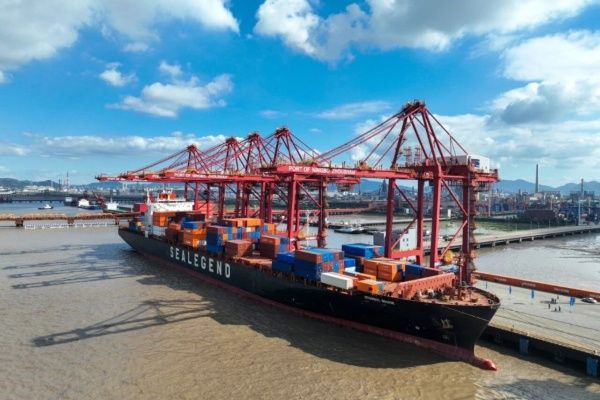
The Port of Ningbo Zhoushan has forged alliances with entities such as Sea Legend Shipping to integrate internal feeder services, domestic trade routes, and the sea-rail intermodal transport network.
The operational plan envisioned for the period between August and October 2026 includes the scheduling of at least eight voyages. For the execution of these journeys, the entity will deploy seven reinforced vessels for navigation in ice layers, which will operate in rotation, connecting with more than 10 major ports in the United Kingdom and the rest of the European continent.