• 2 min de lectura
• 2 min de lectura
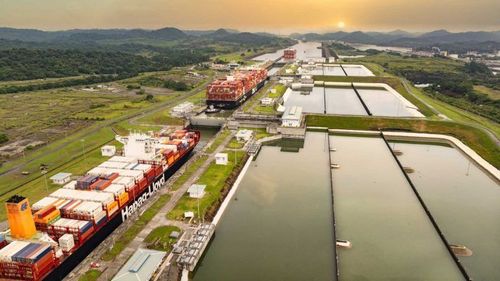
Bulk carrier transits through the Panama Canal have decreased by 22% since July 2026, as they face increased competition for navigation slots on the interoceanic route.
According to an analysis by the Baltic and International Maritime Council (Bimco), bulk carriers are competing against other vessel segments, primarily tankers, which have increased their presence in the waterway due to the rise in energy resource exports from the United States to Asia.
The organization's assessment indicated that the El Niño phenomenon could also lead to a decrease in the canal's water level, a situation that would result in greater complications for vessel transit and increased competition for available capacity.
It is worth noting that the Panama Canal plans to further reduce vessel transits due to the drought caused by the phenomenon, following an initial restriction in effect since September 4. In this regard, the Canal Authority plans to restrict transits to "an average of 29.5 transits" for the upcoming fiscal year, which will begin in October. Previously, the number of vessels allowed to cross daily had already been reduced from 36 to 32, as well as the draft.
The new average, however, is less drastic than that of the 2023-2024 period, when the canal was forced to reduce daily crossings to 22, also due to El Niño.