• 5 min de lectura
• 5 min de lectura
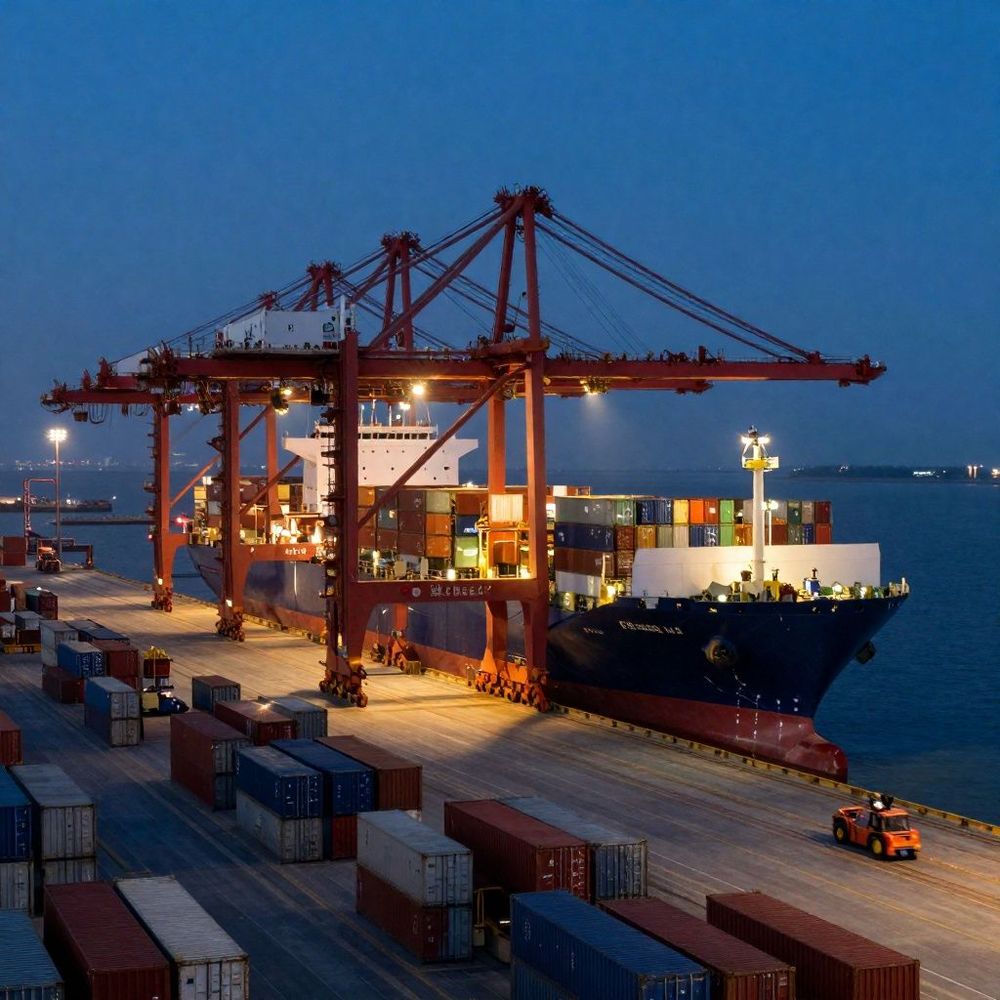
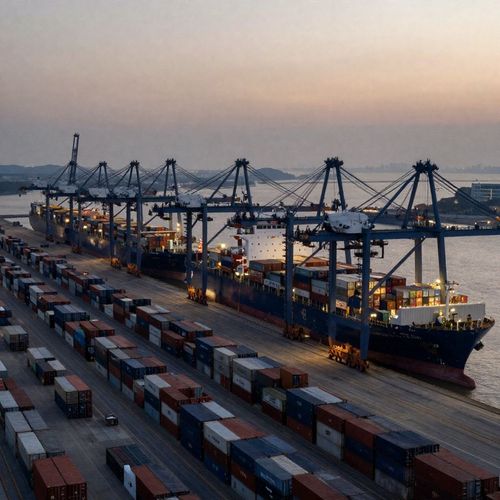
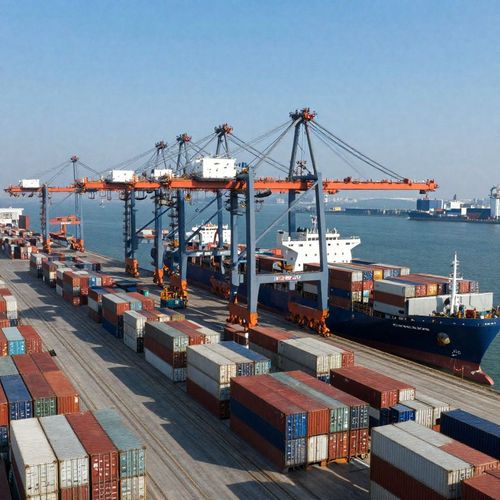
MANZANILLO, COL.- Contecon Manzanillo, the operator of the Specialized Container Terminal (TEC) II, received two electric STS gantry cranes from Chinese ZPMC capable of serving vessels of up to 24,000 twenty-foot equivalent units (TEU), in this latest stage of equipment expansion. The terminal also incorporated five RTG cranes for yard maneuvers last week. The progress, however, reveals a need that cannot be solved with more machinery: expanding the capacity of the electrical supply and ensuring the continuity of the network to sustain operations.
The new quay cranes are Contecon's numbers 13 and 14. According to José Antonio Contreras, CEO of the company, each weighs around 1,600 tons, measures 60 meters in height, and has a reach of 74 meters, making them the largest in the Americas. They share these characteristics with cranes 9 to 12, installed a couple of years ago at the terminal.
Their size allows them to serve vessels with a capacity of up to 24,000 TEU, although Contreras was cautious about the arrival of ships of that scale in Manzanillo, as for now, the port's draft does not allow the entry of this type of vessel. The equipment expands the terminal's service possibilities; whether that capacity is used will also depend on the decisions of shipping lines and port conditions.
On land, the five newly arrived RTGs will be integrated into yard maneuvers, where cargo passing through the docks is received, accommodated, and delivered. Their incorporation is important because a terminal's capacity is not only measured by the speed with which a ship is unloaded: it also depends on containers being able to move through the yard and exit without accumulating delays.
The pressure on this operational chain has grown along with the volume. According to official figures accumulated by terminal, Manzanillo, the country's largest port for containerized cargo, mobilized 2,824,836 TEU from January to August 2026, compared to 2,544,369 in the same period of the previous year, an increase of 11 percent. Contecon handled 1,186,477 TEU, 20.2% more than the 987,017 TEU a year earlier. Thus, it concentrated 42% of the port's container movement during the first eight months of the year.
Contreras noted that the terminal is experiencing double-digit growth in both imports and exports. This performance, he maintained, occurs in a context where imports through the Pacific remain practically stagnant. For Contecon, the incorporation of machinery therefore responds to an operation that already demands greater capacity at the quay and yard.
The executive linked this expansion to the terminal extension signed in 2022, an agreement that, he said, triggered an investment of over 500 million dollars. He did not specify what proportion of that amount corresponds to the cranes presented this Tuesday but placed their arrival within a broader process of facility growth.
As equipment increases, so does the dependence on the infrastructure that powers it. Contreras explained that all quay cranes are electric and that, given the limits of the available supply, Contecon has opted for hybrid equipment for part of its operations. He estimated that these save around 50% of fuel.
The company also has two electric trucks and expects to receive another 28 between December of this year and January 2027. This incorporation raises an immediate question about the possibility of charging and operating them continuously. "If we don't have anywhere to plug them in, then we're going to have a problem," Contreras warned during the presentation of the cranes.
The challenge is not limited to having energy for new equipment. The terminal has experienced network interruptions that, although brief, affect the entire operation. Contreras indicated in an interview with the press that during the first half of 2026 there were a couple of incidents and that they have not been repeated since July. Even so, he pointed out that a brief outage forces machinery and systems to restart, in addition to temporarily stopping truck entry.
"Even if the network goes down for five minutes, it means hours of restarting equipment," he stated. The effect extends beyond the terminal: each interruption can alter the sequence of container reception and delivery on which transporters, logistics agents, and cargo owners depend. For this reason, the executive called for prioritizing the electrical reliability of Manzanillo.
The executive noted that Contecon is working through the National Port System Administration (Asipona) of Manzanillo with the Federal Electricity Commission (CFE) to expand supply capacity and migrate to high voltage. Contreras assured that the project has been under management for four years. From his perspective, the deadline to resolve it is shortening as the terminal incorporates machinery and the energy demand of its operations grows.
Electrical availability also conditions investments beyond container movement. Three years ago, the company studied a project to supply electricity to vessels while they remain docked, so they can turn off their auxiliary engines. Contreras estimated that it would require more than 10 million dollars, but explained that the lack of supply prevented it from being carried out. Contecon will revisit this possibility when conditions exist to execute it.
The two new STS and the five RTG strengthen the quay and yard links in a terminal that already handles four out of every 10 TEU in Manzanillo. The next test will be to accompany that capacity with an electrical network capable of sustaining current operations and the equipment that is yet to arrive.