

· The Chairman of the Board of EPV, Gonzalo Le Dantec, participated in a panel on port city planning, along with representatives from France, Canada, and Cameroon.
Tuesday, November 10, 2026
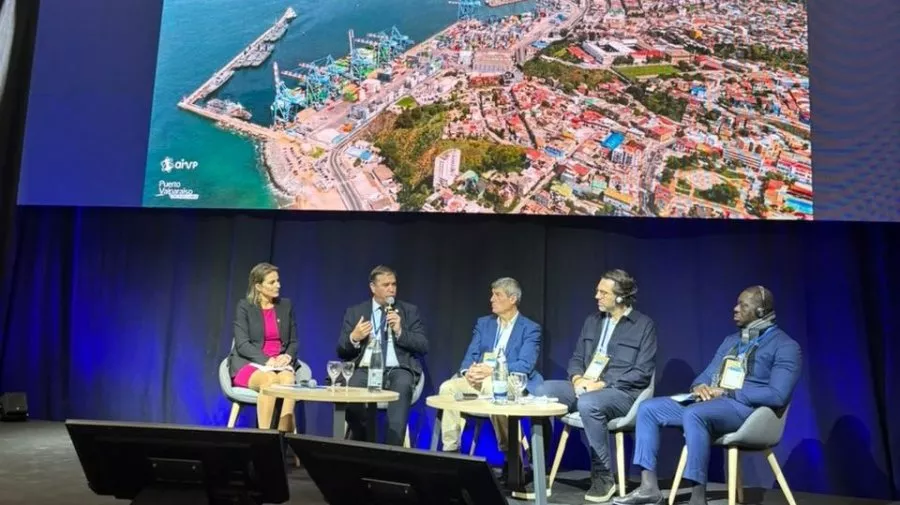
Empresa Portuaria Valparaíso (EPV) presented its port-city relationship experience at the AIVP World Conference of Port Cities 2026, held in Dunkirk, France. On the occasion, the Chairman of the Board of Puerto Valparaíso, Gonzalo Le Dantec, spoke on the panel "Conflicting uses of limited land: how can we improve port city planning?".
The event, moderated by Professor Tom Daamen of Delft University of Technology, addressed the challenges faced by port cities in reconciling their different development needs, considering issues such as joint planning, the port-city interface, port expansion, housing, public space, and conflict resolution mechanisms.
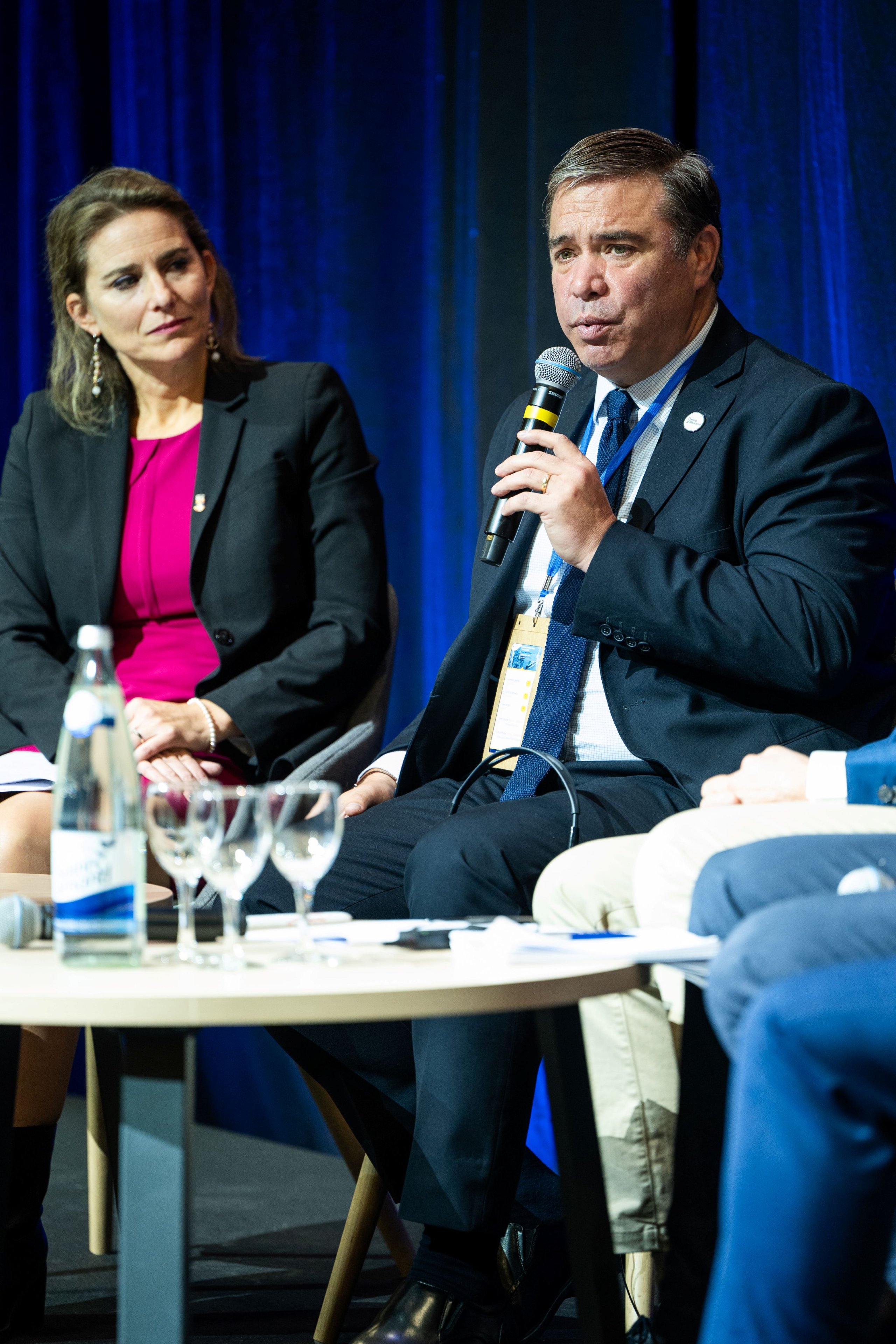
In his speech, Gonzalo Le Dantec presented Puerto Valparaíso's long-term vision, aimed at ensuring that port growth, the recovery of urban spaces, and the quality of life for residents advance in a complementary manner, also generating new and better conditions for the entire tourism industry in the area.
"We bring almost 95% of exports and imports by sea. Hence, the need for a port that continues to operate and, furthermore, increases its capacity. And that is our challenge, to double the capacity we have. Today we are capable of moving approximately 10 million tons of cargo, which is around one million TEUs. We need to double that capacity to maintain the development of the economic activity of the entire country," said the chairman of the state-owned port company.
Likewise, during his presentation, Le Dantec highlighted that the Valparaíso Dialoga process (2021), which brought together local organizations and representatives from different sectors of the city, subsequently led to the redesign of Valparaíso's port expansion project, seeking to reconcile the development of port activity with the different vocations and needs of the city.
Regarding the projects that express this vision, the chairman of the state-owned port company commented that the Barón Park will soon be inaugurated, with nearly 12 hectares of public use on port land ceded to the city. In addition, there are works associated with the port expansion, which include a 1.2-kilometer coastal promenade, the Arrayán Elevator in the Barrio Puerto sector, the new San Mateo beach, and a new Preferential Cruise Terminal, which will strengthen tourism activity in Valparaíso and the region.
The Chairman of the Board stated that "in Puerto Valparaíso, we have a team that has managed to get involved in a very real way and with great trust with people. That bond is what has allowed us today to face what lies ahead with greater peace of mind."
In parallel, Le Dantec shared with the panel the progress in the construction of the first Port Center in South America, an initiative developed with the support of AIVP, and in the remodeling of Muelle Prat. In this context, he stated that one of Puerto Valparaíso's main challenges is to move from the agreements reached to their materialization, which implies promoting the tender for the port expansion and advancing in the environmental processing of its complementary stages.
Along with the chairman of Puerto Valparaíso, Catherine Vallières-Roland, deputy mayor of Quebec City (Canada), Pierre Meffre, executive director of Territories of the Compagnie Nationale du Rhône – Port de Lyon (France), and Peter Munongo, director of Territorial Development and Environment of the port of Kribi (Cameroon), also participated in the panel.


