Media IntelligenceAgenda
/
ESENPT
DataPortuaria
PortsForeign TradeLogisticsAgro
DataPortuaria

El portal de referencia del sector portuario y marítimo de Latinoamérica. Noticias, análisis y datos en tiempo real.

Seguinos:

Secciones

AgroAnalysisBiofuelsCruisesCurrent AffairsEnvironment and EnergyForeign TradeInterviewsLogisticsPortsShipbuildingShippingWaterway

Ediciones

ArgentinaBrasilEcuadorEspañaInternacionalMexicoPanamaPeru

Servicios

Media IntelligenceAgenda

Legal

AboutPrivacy policyCookie policyTerms of useContact

© 2026 DataPortuaria. Todos los derechos reservados.

Inicio›Current Affairs

MTC Enables Maritime Cabotage for Humanitarian Aid Transport in Emergencies

The Ministry of Transport and Communications (MTC) approved Ministerial Resolution N.° 649-2026-MTC/01.02, an exceptional temporary measure allowing shipping, fishing, and tourism companies to provide cabotage services for transporting passengers, food, tools, and supplies for humanitarian purposes. The regulation responds to the El Niño Phenomenon (FEN) and aims to sustain emergency response when land routes are interrupted. Implementation is overseen by the DGATR and the National Port Authority (APN).

Últ. Actualización 18 de nov 2026|Lectura: 2 min

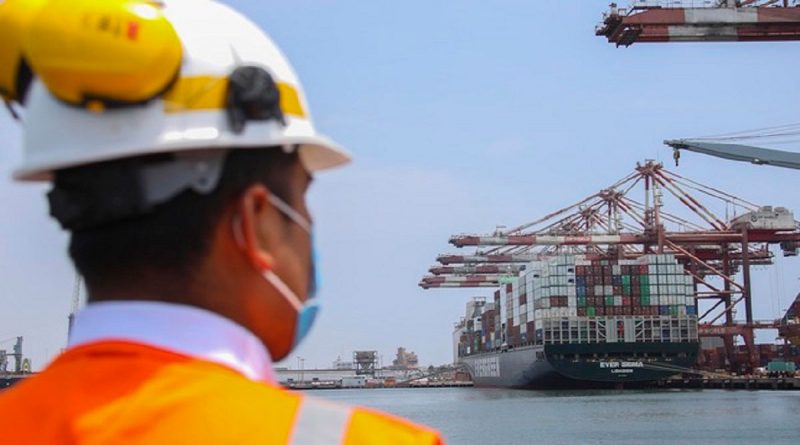
Imagen de portada - MTC autoriza el servicio de cabotaje marítimo para garantizar el traslado de ayuda humanitaria durante emergencias.

Resumen

  1. Companies must register their vessels in the Temporary Vessel Registry of the DGATR.
  2. Cabotage can be provided in authorized ports and port terminals between national ports.
  3. The measure is framed within the El Niño Phenomenon (FEN) and the response to emergency situations.

Seguí a dataPORTUARIA en Google News

Agregá este medio como fuente preferida y no te pierdas las últimas noticias.

Agregar como fuente preferida

This measure will allow shipping, fishing, tourism, and related companies to provide cabotage services, transporting passengers, food, tools, and supplies for humanitarian aid purposes.

The Ministry of Transport and Communications (MTC) is strengthening emergency response capabilities in the face of the El Niño Phenomenon (FEN) through Ministerial Resolution N.° 649-2026-MTC/01.02. This exceptional temporary measure will allow shipping, fishing, tourism, and maritime transport-related companies, registered and authorized by the competent entities, to provide cabotage services in authorized ports and port terminals, transporting passengers, shelter, clothing, food, household goods, tools, and supplies for humanitarian aid purposes.

"Our commitment is to ensure that humanitarian aid reaches affected populations in a timely manner. Maritime transport thus becomes a complementary alternative when land routes are interrupted by natural disasters or other contingencies," highlighted the head of transport and communications, Angello Tangherlini.

To this end, the Directorate of Aquatic Transport Authorizations (DTA) of the General Directorate of Transport Authorizations (DGATR) of the MTC, and the National Port Authority (APN), within the scope of their competencies, are responsible for the implementation and compliance with the provisions established in said resolution.

Maritime cabotage consists of the transport of passengers and nationalized cargo between national ports, constituting a complementary alternative to land transport that will allow the use of port infrastructure and the availability of vessels to meet the needs of the population.

How and which vessels can transport humanitarian aid?

Registered and authorized river transport can contribute to aid. Companies must register their vessels in the Temporary Vessel Registry of the DGATR, which will be responsible for implementing and supervising compliance with these provisions, carrying out the necessary coordinations for their timely execution.

It should be noted that humanitarian aid goods include those intended to cover the essential needs of the population affected or impacted by emergencies and disasters.

In this way, the Government strengthens transport and logistics alternatives to ensure that humanitarian aid reaches those who need it most in a timely manner, especially in scenarios where land connectivity is compromised.

Temas:AuthoritiesRegulationsTransportPassengersShipping Lines
Compartir esta nota

Seguí leyendo

MTC Enables Maritime Cabotage for Humanitarian Aid Transport in Emergencies

Prefectura Participates in AMERIPOL's XVI Ordinary Summit

Peru Seeks to Strengthen WTO Role Ahead of Sixth Trade Policy Review

Most read

  1. 01Paracas Port unloads 5,000 bags of soda ash for Keda in Cañete
  2. 02MTC Authorizes Maritime Cabotage in Ports for Humanitarian Emergencies
  3. 03Port of Chancay Reaches 323 Vessel Operations and 340,000 TEU in 2026
  4. 04Tisur Orders Mobile Harbor Crane from Konecranes for Matarani Port
  5. 05MTC Drives Works in Callao: Terminals, Foreport, and Airport Access