• 1 min de lectura
• 1 min de lectura
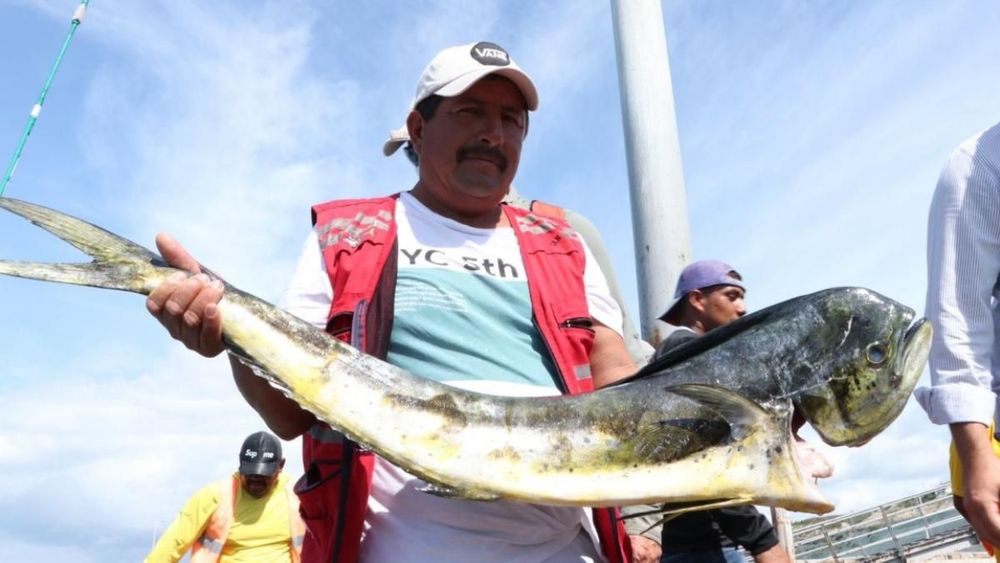
The Ecuadorian fishing sector is facing the initial effects of the El Niño phenomenon, reflected in a lower availability of marine resources and a slight contraction in exports during the first four months of 2026. According to the National Chamber of Fisheries (CNP), the sector's shipments reached USD 721.5 million, a 1.6% decrease compared to the same period last year, mainly due to a reduction in tuna catches.
Exports of tuna loins and preserves, the country's main fishery product, registered a 6% drop, while skipjack tuna catches decreased by 35% until April. The warming of the waters has reduced the availability of small pelagic species, also affecting the production of fishmeal and fish oil. This scenario is compounded by increased operating costs, especially due to the rise in diesel prices, and a weaker export dynamic towards markets such as the European Union and China.
The evolution of oceanic conditions highlights the importance of strengthening the fishing sector's resilience to climatic events. The continuity of exports will depend on adequate coordination between production, logistics, port infrastructure, and maritime transport, which are fundamental elements for maintaining the competitiveness of Ecuadorian foreign trade.