• 3 min de lectura
• 3 min de lectura
The Nautical Institute launched a survey calling on seafarers and maritime professionals worldwide to share their experiences of how technology is changing working life at sea and ashore.
The global #ListeningToSeafarers survey forms part of the STEER Project – Seafarer Technology Engagement, Empowerment and Resilience – which is being delivered by The Nautical Institute in collaboration with Lloyd's Register Foundation.
The project aims to better understand the combined impact of new technological systems and changing working practices on seafarers' day-to-day work, safety, skills and welfare.
Its findings will be used to help develop practical tools and guidance that will be offered freely to the industry, supporting safer and more human-centred technology adoption across the maritime sector.
It comes as shipping adopts increasing levels of automation, digitalisation, artificial intelligence, remote operations, connected systems, sensor-based monitoring, digital logs and onboard connectivity.
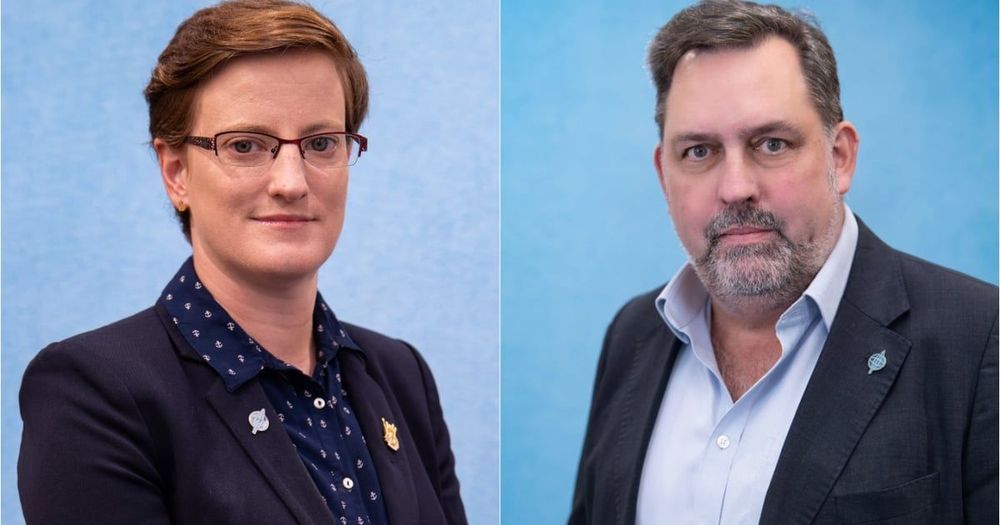
Captain Ann Pletschke, STEER project lead at The Nautical Institute, said: "Technology is changing maritime operations at pace, but the people who use these systems every day must be central to the conversation. Too often, decisions about technology are made without fully understanding the practical impact on seafarers' work, safety, skills and welfare."
She continued: "The STEER Project is built around listening to seafarers. We want to hear directly from maritime professionals about what is helping, what is making life more difficult, and what support, training or tools are needed to ensure technology improves safety and decision-making in practice."
The survey asks maritime professionals to share their views on where technology is helping, where it is creating additional pressure, how it affects workload and decision-making, and whether current training gives users sufficient understanding of how onboard technology functions.
The survey is available in multiple languages to help reach as wide a cross-section of the maritime workforce as possible.
The Nautical Institute is seeking responses from seafarers and maritime professionals working at sea and ashore across all parts of the maritime sector, including cruise ships and superyachts. The survey targets deck and engine seafarers, engineers, ratings, trainers, educators, naval architects, remote operators, safety professionals and others involved in vessel design, operation, management, training and support.
David Patraiko, director of projects at The Nautical Institute, said: "Technology has an important role to play in making operations safer, more efficient and more sustainable. However, technology must support professional judgement, not undermine it.
"This survey is an important opportunity for seafarers and maritime professionals to influence how the industry approaches technological change. By listening to those with direct operational experience, we can help ensure future tools and guidance are based on evidence rather than assumption."
The STEER Project will continue over two and a half years to build a clearer picture of the opportunities and challenges created by technological change.
The project's long-term goal is to support tangible improvements in maritime safety and the interface between seafarers and technology, ensuring existing and future seafarers have the tools, skills, support and agency needed to thrive in an increasingly automated maritime environment.