• 2 min de lectura
• 2 min de lectura
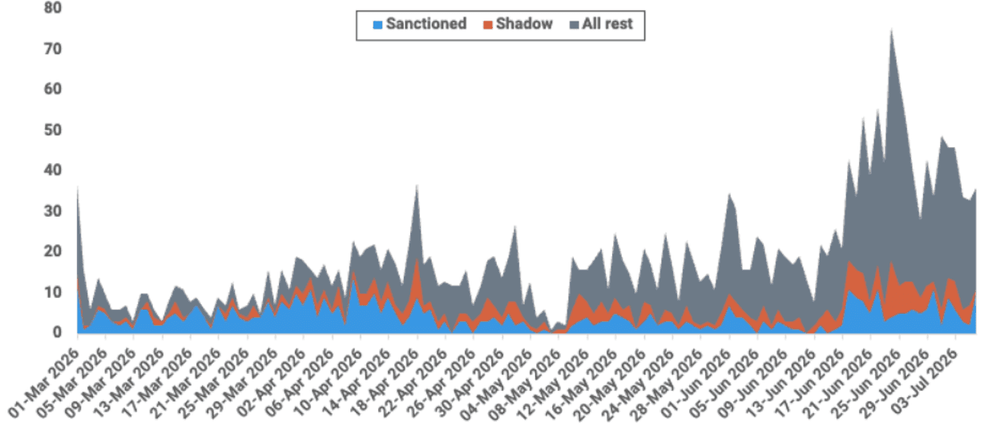
Table of physical attacks on vessels as of July 7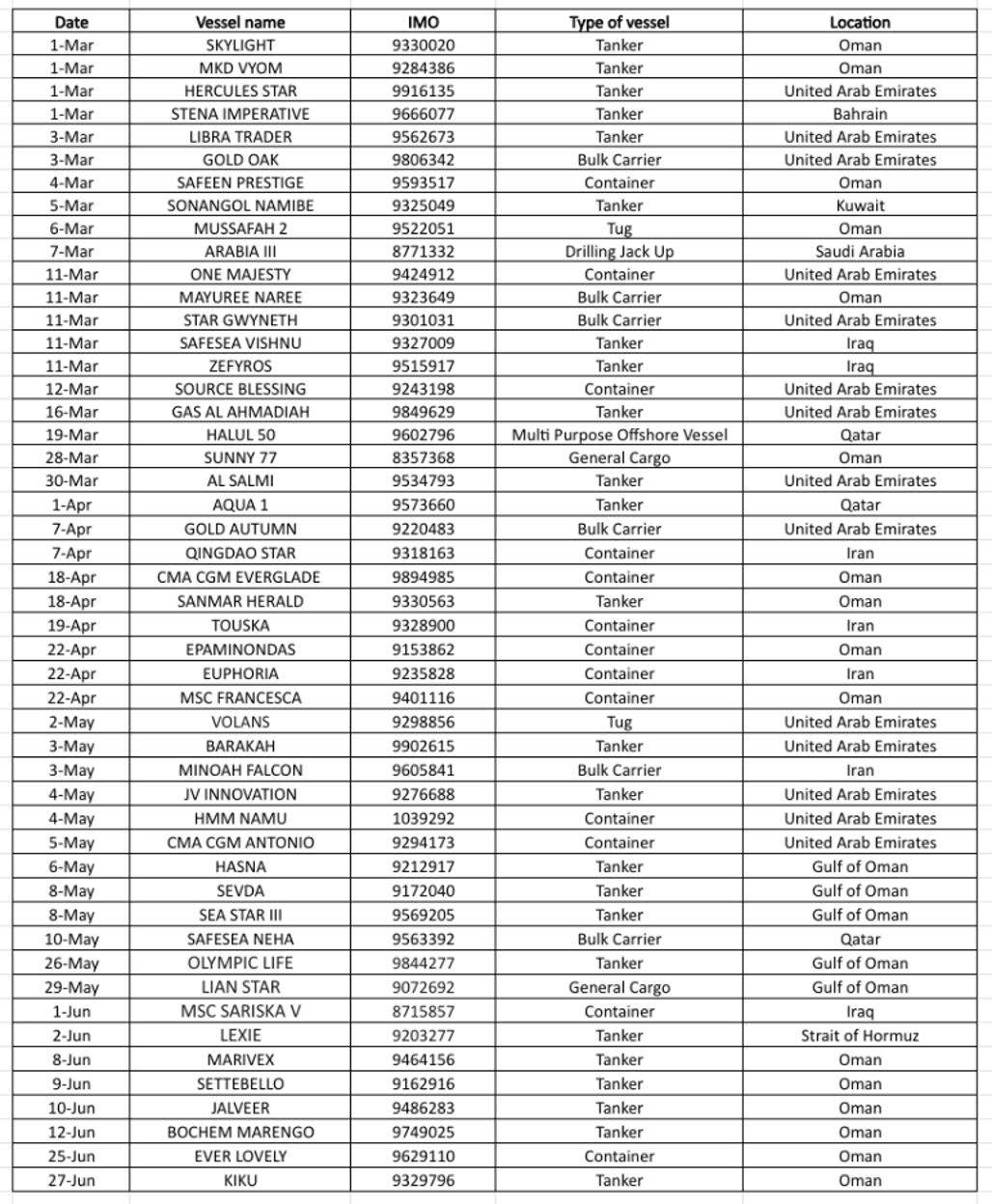 Source: Kpler Risk and Compliance, IMO
Vessels crossed SOH by risk level as of July 6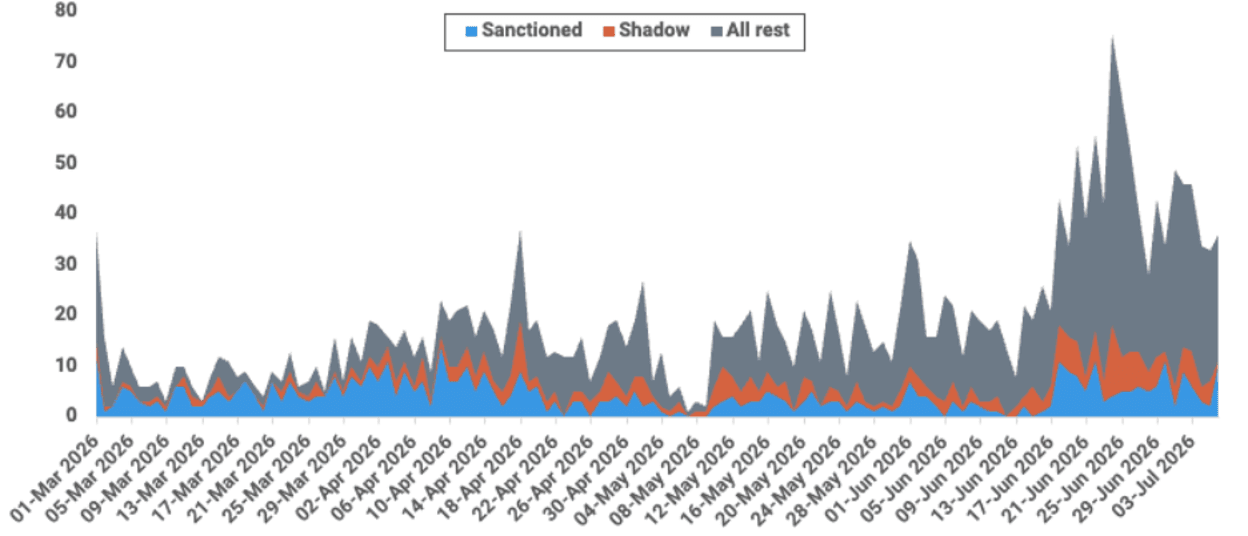 Source: Kpler Risk and Compliance; full traffic data is available including non-commercial vessel tracking from MarineTraffic
Vessels crossed SOH by direction of crossing as of July 6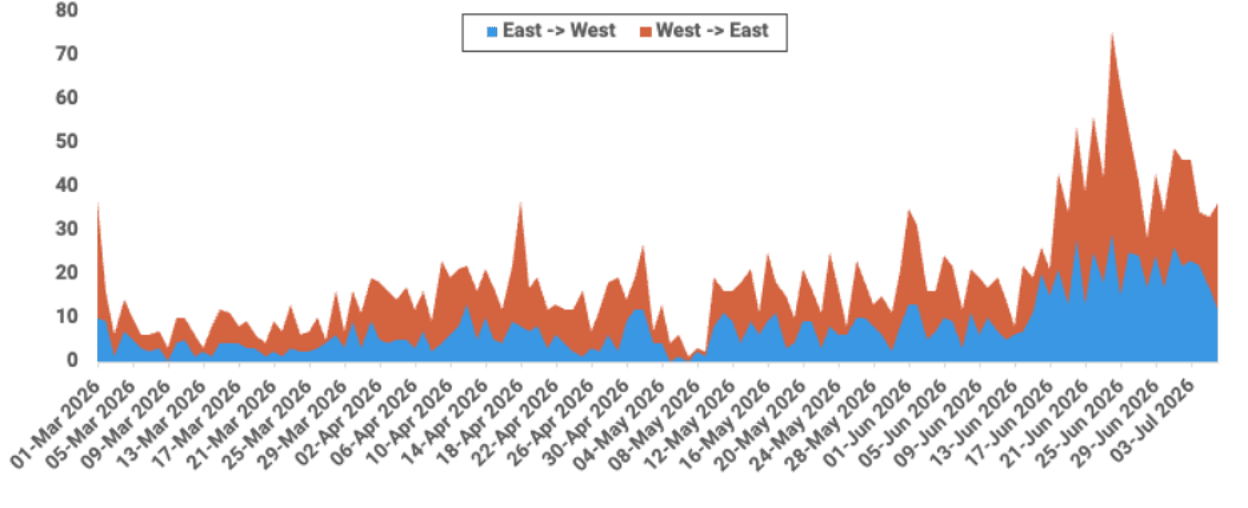 Source: Kpler Risk and Compliance
Confirmed crossings through the monitored Strait of Hormuz zone remained active on 6 July, with 36 verified transits, broadly flat d/d. Commercial, low-risk, west-east movements continued to dominate the flow. Ten sanctioned vessels crossed, while laden activity remained material, with 19 voyages carrying mostly crude, DPP and chemicals. Iranian-flagged activity stood at eight crossings.
Routing shifted sharply back toward the Iranian Route, which accounted for 20 crossings and significantly outpaced all other corridors. The IMO route saw a modest pickup and Dark/Unknown crossings fell to four, but the clearest downgrade was on the Omani route, which recorded only three crossings. Despite reports of fresh incidents in the wider area, there have been no new IMO-verified attacks since 27 June. The drop in Omani-route usage nevertheless points to a loss of confidence in that corridor, with operators appearing to favor routes perceived as more accepted by Iranian authorities over the UN/IMO-backed alternative.
The diplomatic backdrop has become more fragile. Recent reporting indicates that US-Iran talks remain stuck on the same core disputes: Iran's insistence on controlling routing and eventually charging fees for passage, versus US and Gulf-state opposition to any Iranian tolling or clearance regime. While the interim deal allows vessels to pass without charges for 60 days, Tehran still insists it must control routing and later charge fees, keeping Hormuz governance unresolved. The market has moved past the immediate reopening shock, but the route split shows confidence is not broad-based. Operators are still adjusting to perceived enforcement risk, unresolved fee mechanics and uncertainty over whether the Omani corridor can be sustained without triggering further confrontation.