• 2 min de lectura
• 2 min de lectura

Contributing author: Yuan Li, Junior Risk & Compliance Analyst at Kpler (yli@kpler.com)
Table of physical attacks on vessels as of July 9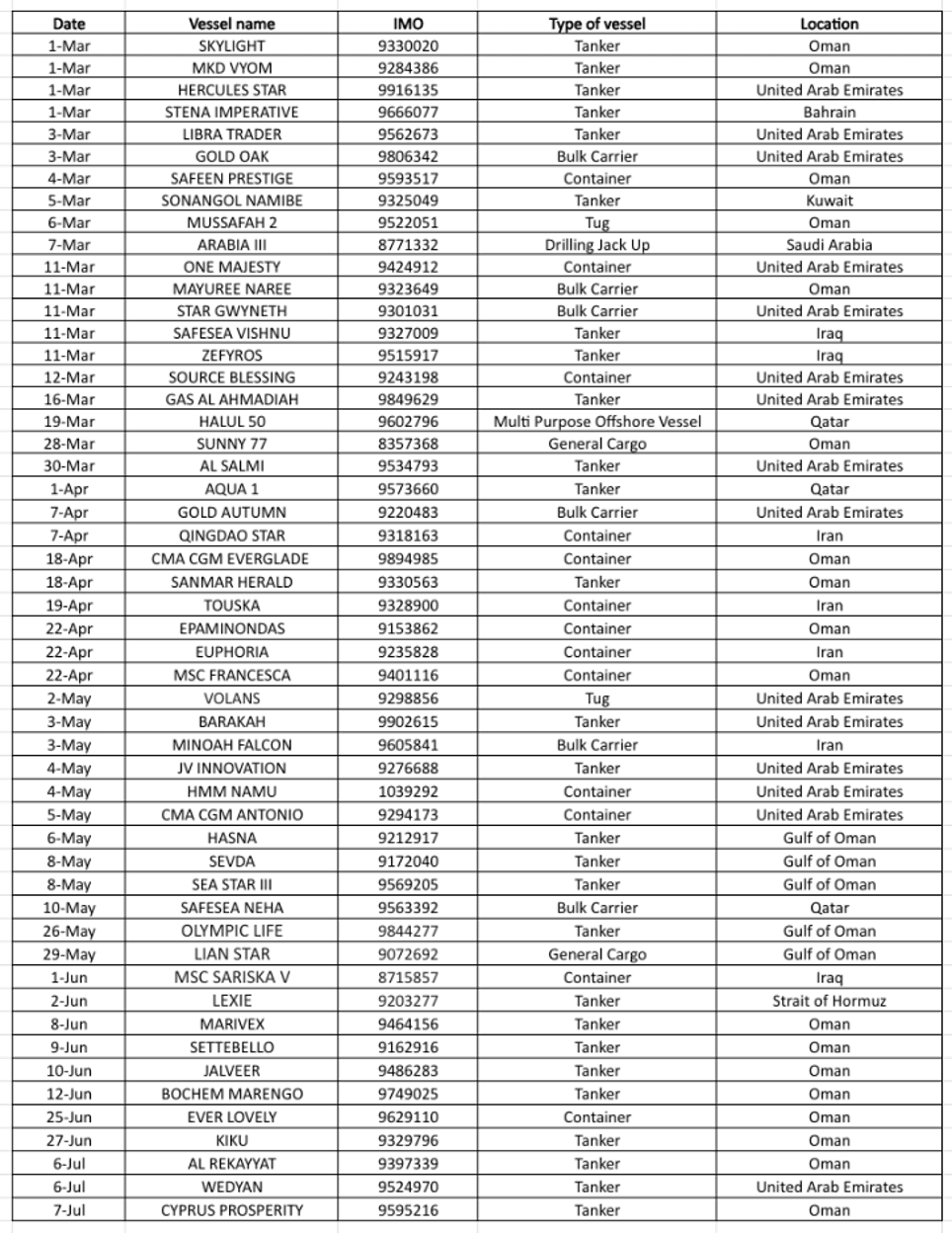
Source: Kpler Risk and Compliance, IMO
Vessels crossed SOH by risk level as of July 8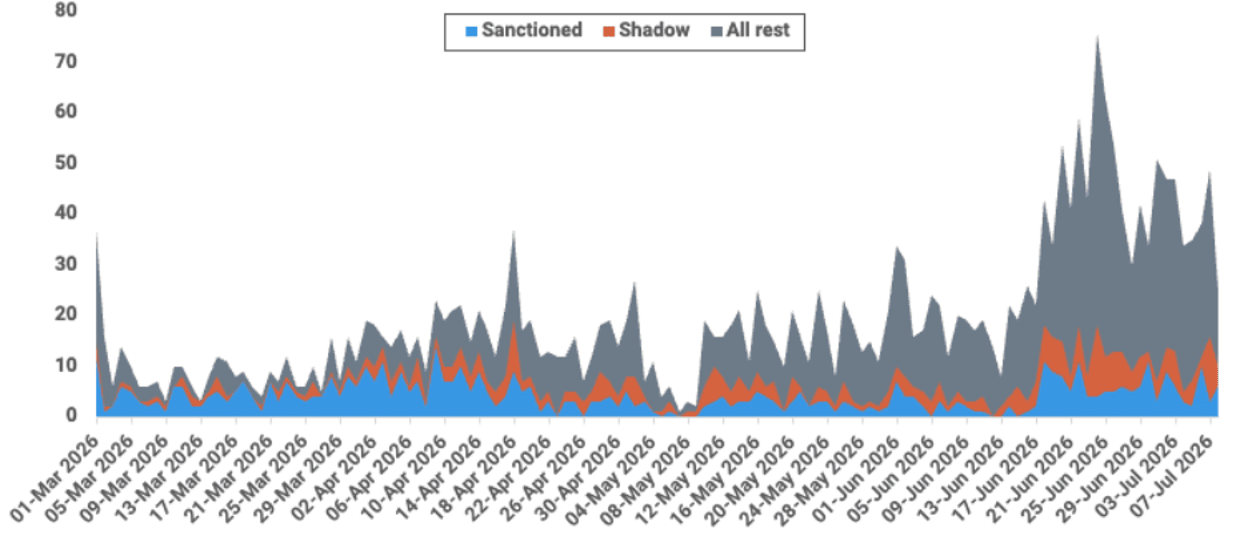
Source: Kpler Risk and Compliance; full traffic data is available including non-commercial vessel tracking from MarineTraffic
Vessels crossed SOH by direction of crossing as of July 8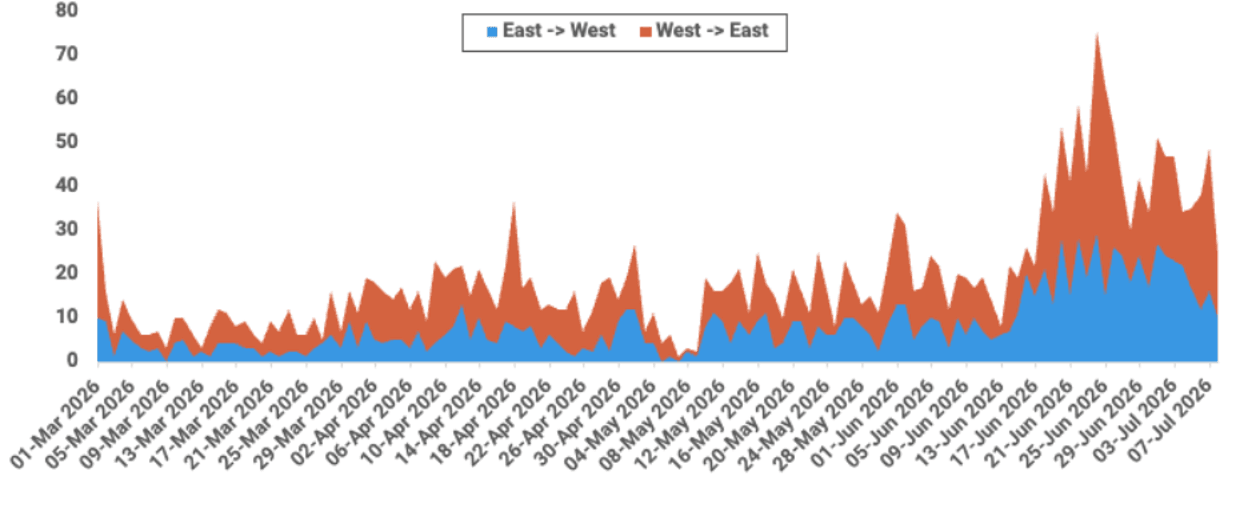
Source: Kpler Risk and Compliance
Confirmed crossings through the monitored Strait of Hormuz zone fell d/d to 25 on 8 July, down from 49 the previous day, as renewed US-Iran strikes further weakened operator confidence. Movements remained predominantly commercial and were slightly skewed west-east. Laden cargoes included dry bulk, CPP, DPP, crude and methanol, while Iranian-flagged activity was limited to one non-commercial crossing.
Routing was again led by the Iranian Route, with 14 crossings recorded, while all other routes fell to single digits. The Omani route saw only one crossing, underscoring how quickly confidence in that corridor has faded despite its earlier role in the post-deal recovery. The IMO-confirmed attack list also added Cyprus Prosperity (IMO 9595216), a crude tanker damaged 6 nm east of Oman's Musandam Peninsula on 7 July, with no pollution or injuries reported.
The recent pickup in attacks, alongside the deteriorating diplomatic environment, is keeping operators cautious. After a more strict general license GLX1 was issued, US forces launched fresh strikes on Iranian targets after what CENTCOM described as Iranian attacks on commercial shipping, while President Trump said the ceasefire was "over," even as he left open the possibility of renewed talks. Hormuz remains technically open, but the combination of renewed physical risk, collapsing Omani-route usage and a breakdown in the ceasefire framework is pushing activity back toward selective, risk-managed passage rather than sustained recovery.