• 4 min de lectura
• 4 min de lectura
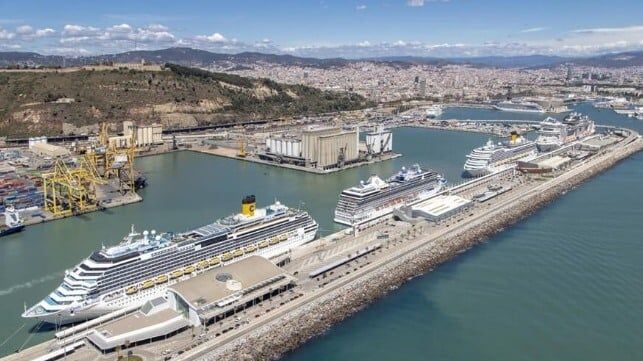
The cruise industry, like all sectors of the maritime world, is faced with the complex challenges of enhancing sustainability and reducing emissions, but it also has unique challenges due to its business model and high-profile position. The experts at RINA point out that the cruise sector has made significant progress, but it cannot depend on one solution to meet the goals of decarbonization. The industry's decarbonization ambitions depend on far more than ship technology alone.
"The cruise sector has strong reasons to be at the forefront of this transition," said Michele Landro, RINA Vice President, Head of Passenger Ships Segment North America, while discussing the issues with The Maritime Executive. "The transition is achievable, but it must be approached in a practical, safety-focused, and phased manner."
RINA explains that cruise operators have been among the most proactive parts of the maritime industry in setting long-term emissions reduction targets and investing in technologies. It has begun with the newly ordered cruise ships that are being designed from the outset for greater efficiency. Landro highlights that the sector has made notable headway on fuel flexibility, including adopting LNG as a transitional fuel, while working to accommodate the future low-carbon and renewable fuel options, including bio-LNG, synthetic LNG, renewable biodiesel, green methanol, and other pathways.
The Maritime Executive's research shows that after the cruise industry launched its first LNG dual-fuel ship in 2018, AIDAnova (180,000 gross tons), Carnival Corporation was quick to adopt LNG across its brands. Today, AIDA, Costa, P&O, Princess Cruises, and Carnival Cruise Line each have LNG-fueled ships, while MSC Cruises followed suit in 2022, and Royal Caribbean in 2023. Today, there are more than 30 LNG-fueled cruise ships in operation, which represents nearly 10 percent of the global fleet of ocean-going cruise ships, and more significantly nearly half of the new orders are for dual-fuel LNG ships. The first methanol-ready cruise ship has been delivered, and later this year, Viking will introduce the first cruise ship with hydrogen propulsion capabilities.
Landro highlights, however, that the very nature of cruise ship operations is creating a challenge for the lines. The hotel operations on a cruise ship create substantial energy demands for everything from HVAC to catering, freshwater generation, and waste management. By comparison, RINA notes cargo vessels can often concentrate primarily on propulsion efficiency, voyage optimization, and management of cargo operations.
"Cruise shipping differs from most cargo sectors because of its unique operating profile," says Landro. "Cruise ships sail on set itineraries, visit ports that attract significant public attention, and spend considerable time at or near destinations where air quality is a pressing concern. Undoubtedly, cruise ships rank among the most intricate vessel types in the entire maritime sector."
In addition to many client-specific projects, RINA is working on a range of cruise decarbonization projects and initiatives. Broadly, it is involved in areas ranging from shore power readiness to alternative fuel safety assessments, energy efficiency upgrades, retrofit feasibility studies, and support for newbuilding and conversion projects. Through the naval architecture consultancy Foreship, which RINA acquired in 2025, it is also involved in hands-on retrofit projects.
"Cruise decarbonization will be driven by a combination of technologies rather than a single breakthrough solution," Landro told The Maritime Executive. "Cruise lines should adopt a phased approach. Decarbonizing cruise ships requires a combination of technologies and operational measures rather than a single solution."
In addition to the sector's work on alternative fuels, RINA notes cruise lines are also reassessing itineraries, port turnaround operations, and onboard energy consumption to bring down emissions. The starting point, it advises, is to extract maximum efficiency from technologies already in commercial use and move to future-proof vessels against multiple possible scenarios. RINA points to the opportunities in upgrading HVAC performance, implementing waste heat recovery, transitioning to LED lighting, deploying digital energy management systems, refining voyage planning, and introducing battery support.
It warns, however, that lines must align vessel investment decisions with port infrastructure planning. While, for example, the European Union has a pending 2030 regulation requiring the use of shore power, it requires large investments in infrastructure from the ports. Landro notes the main challenge for shore power is execution, saying that while some ports have moved forward, availability of shore power is uneven across regions and ports, and local authorities will need to accelerate their efforts considerably.
The uncertainties make investment decisions difficult. RINA believes the greatest challenges are fuel availability, infrastructure readiness, technology maturity, regulatory certainty, and economic viability.
Landro concludes by saying the goal is not simply regulatory compliance. It is to create a cruise industry that can grow sustainably, reduce its environmental impact over time, and retain the confidence of passengers, port communities, and coastal regions.
Fuente: The Maritime Executive