• 3 min de lectura
• 3 min de lectura
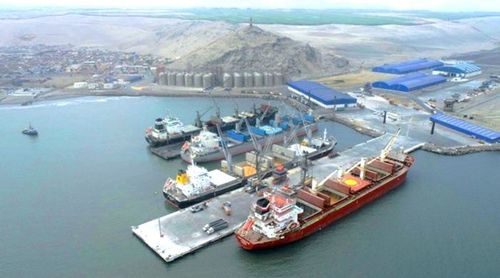
For years, Puerto Chiapas was identified as a port with a fishing vocation, closely linked to the tuna fleet and with commercial activity limited by structural factors that hindered its growth. Today, the narrative is beginning to change. The Master Port Development Program (PMDP) 2025-2030 outlines a path to transform it into a logistics platform with greater regional integration, while those who operate daily in the facility assure that the conditions to unleash that potential are beginning to align. For Zaire Osorio, CEO of Zaire Shipping México, the port is at a turning point where infrastructure, public policy, and a renewed vision of the role of the south-southeast in Mexican foreign trade converge.
The guiding document of the National Port System Administration (Asipona) Puerto Chiapas projects a strategy aimed at diversifying cargo, strengthening connectivity with Central America, and consolidating the facility as a complementary logistics hub to the development of the Interoceanic Corridor of the Isthmus of Tehuantepec (CIIT), which already includes 14 Development Poles for Well-being. This vision resonates among private actors who have accompanied the port's evolution in recent years.
"It's a good time to look or look again at the south, because we already have infrastructure (...) we have a port, airport, train, and border," says Osorio in an interview with T21, who believes that the current scenario differs completely from what the region faced just a few years ago.
The executive recalls that Puerto Chiapas remained with contained development in recent years due, among other factors, to changes in customs jurisdiction that modified incentives for international trade with Guatemala. By no longer belonging to Ciudad Hidalgo, Chiapas, but depending on the Salina Cruz customs office in Oaxaca (a change that occurred on December 31, 2022), she explains, part of the competitiveness that had historically characterized the port as an international transit point to Central America was lost. This situation began to reverse with the return to the jurisdiction of the Ciudad Hidalgo customs section (as of May 15, 2025), a decision that, from her perspective, restores part of the port's logistical nature.
The PMDP itself precisely recognizes Central America as one of the natural markets to boost the growth of the facility, particularly through greater trade flows with Guatemala and the development of regional logistics chains. The fact of now belonging to the Ciudad Hidalgo customs office brings the port closer to its goal of conquering the regional market.